
Performance · Other credits
Richard Egües
Cruces, Cuba
Richard Egües is credited on 853 releases across 197 albums tracked on Gatefold, active 1955–2025 — the collector-built map of who actually made the music.

853
Pressings credited
197
Albums
8
Decades active
22
In collections
Biography
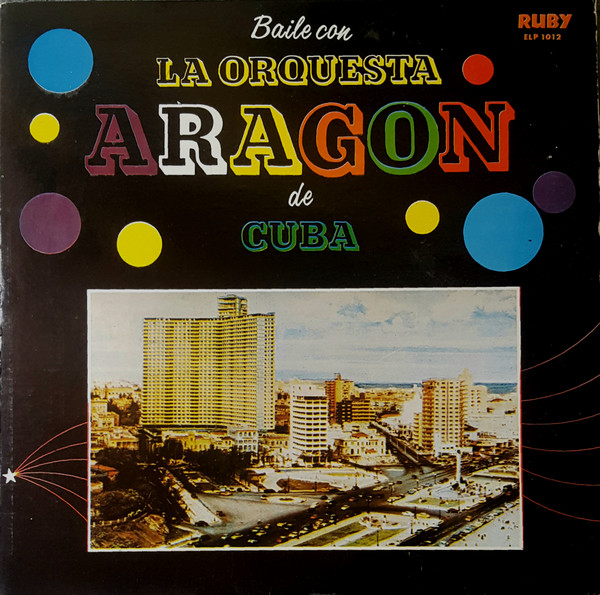
Richard Egües, nicknamed "la flauta mágica" (the magic flute), (October 26, 1923 - September 1, 2006) was a Cuban flautist and musician, one of the country's most famous artists. Egües was a member of the Orquesta Aragón band which he joined in 1955. He was also a strong supporter of the Cuban Revolution. A few days before he died, Richard Egües stated "I would give my life for him", referring to the Cuban President Fidel Castro, who was very sick at the time. Egües composed what are today classics of salsa, such as "Sabrosona", "Bombón cha", "Así Es Mejor", "La Muela", "Gladys", "El cerquillo", "El Cuini" and his most well-known song, "El bodeguero", which became part of Nat King Cole's repertoire. Egües was born in the town of Cruces in the Cuban province of Las Villas on October 26, 1923. After learning to play saxophone, clarinet and piano, he decided to pick up the flute in the late 1940s, in part, because flute players were able to take more breaks during performances. Egües later came to be the foremost exponent of the charanga style of Cuban flute playing. Charanga bands consist of vocals, percussion, strings and a flautist with the flute serving as a prominent and central voice. Charanga music has a characteristic classical or ‘ballroom’ aspect to it as it was historically intended for the wealthier classes. Accordingly, this style reflects a blend of Spanish and French contredanse as well as African roots. The tunes played by charanga bands are typically the ‘danzon’ (with its characteristic five-beat percussive figure known as the cinquillo) and the more the familiar ‘cha cha cha’ (which, unlike most other Cuban styles, is not rooted in the clave). Egües served for many years as the flautist with a popular charanga band known as Orquesta Aragón. The ensemble was founded in 1939. After substituting in the band on many occasions over a period of years, Richard was finally solicited by the leader to become a full-time member when Rolando Lozano left th
Bio from Wikipedia
Credited work
853 releases · 197 albums · active 1955–2025
- Performance · 1,182
- Other credits · 84
Studios: Estudios EGREM · Panart Studios · Capitol Studios · Good Vibrations Sound Studios
Discography
Records they worked on — most-collected first.





Frequent collaborators
- Orquesta Aragon
- Various
- Nat King Cole
- Orquesta Aragón
- Up, Bustle And Out
- La Playa Sextet
- Orchestra Harlow
- Fajardo Y Sus Estrellas
Around the web
See who really made the music.
Gatefold maps every producer, engineer, and player across your shelf — the credits no one else surfaces.
Start your shelf →Free forever. Works with 10 records or 10,000.