
Biography
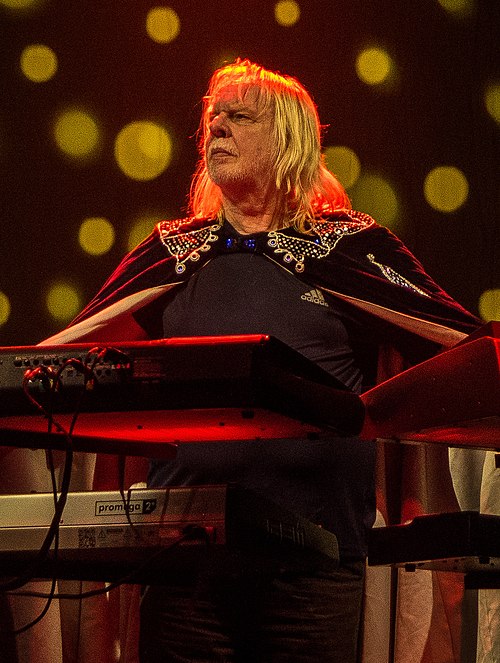
Richard Christopher Wakeman (born 18 May 1949) is an English keyboardist and composer best known for his multiple tenures in the progressive rock band Yes and for his prolific solo career, which has spanned six decades. His most successful and acclaimed albums are his first three progressive rock concept albums–The Six Wives of Henry VIII (1973), the UK number-one Journey to the Centre of the Earth (1974), and The Myths and Legends of King Arthur and the Knights of the Round Table (1975). AllMusic describes Wakeman as a "classically trained keyboardist extraordinaire who plied his trade with Yes and developed his own brand of live spectacular in a solo act." Born and raised in West London, Wakeman intended to become a concert pianist but quit the Royal College of Music in 1969 and became a sought after session musician. Amongst the estimated 2,000 sessions he did, he played on "Space Oddity" and "Life on Mars?" for David Bowie, "Morning Has Broken" by Cat Stevens, and on tracks for Elton John, Marc Bolan, and Lou Reed. After a brief stint in the folk rock group the Strawbs, during which he received national press attention, he joined Yes in 1971, playing on seminal albums such as Fragile (1971), Close to the Edge (1972) and Tales From Topographic Oceans (1973). His technical virtuosity on keyboards such as the Hammond organ, Moog synthesizer, and Mellotron, combined with his flamboyant stage presence and trademark capes, made him an iconic figure in 1970s progressive rock. In 1974, he formed his touring and recording band, the English Rock Ensemble, and in the following year, expanded into soundtrack work for Ken Russell's feature film Lisztomania (1975). Wakeman's subsequent career is characterised by its vast productivity and stylistic diversity, with a discography exceeding 100 solo albums. During the 1980s and 1990s, amidst shifting musical trends and personal financial strain, he transitioned toward low-budget albums for niche markets while maintaining a consis
Bio from Wikipedia
Discography
Records they worked on — most-collected first.

The Rise And Fall Of Ziggy Stardust And The Spiders From Mars
1972

Hunky Dory
1971
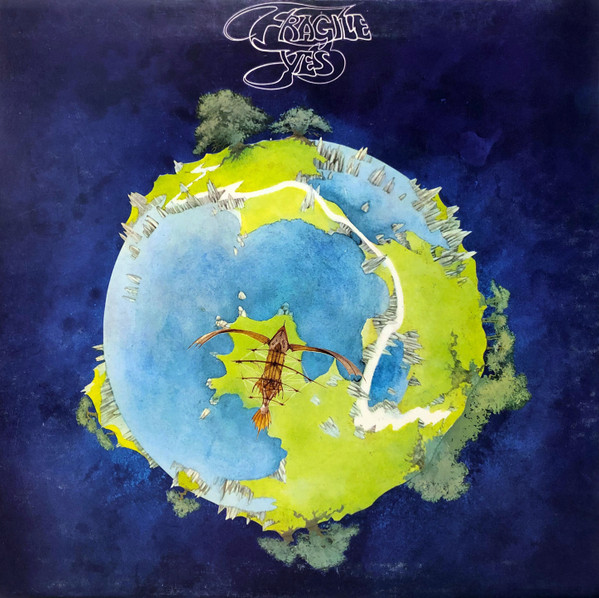
Fragile
1971

Electric Warrior
1971
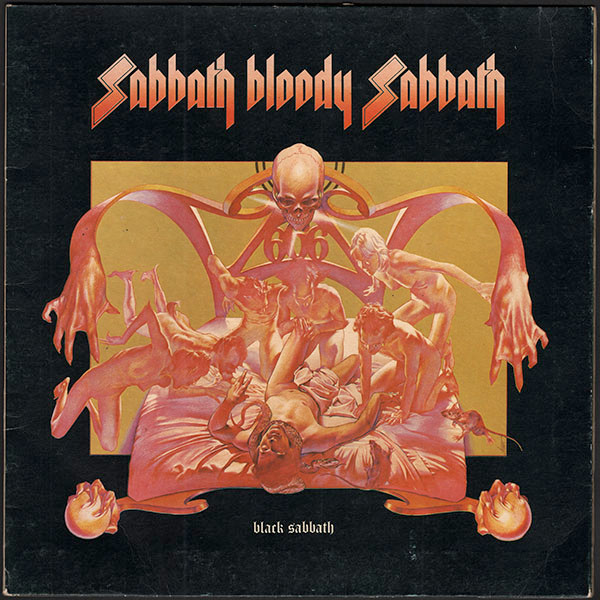
Sabbath Bloody Sabbath
1973
Close To The Edge
1972
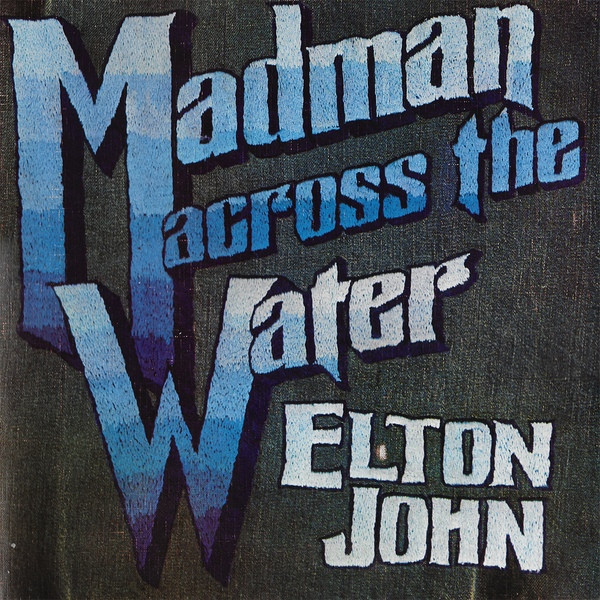
Madman Across The Water
1971
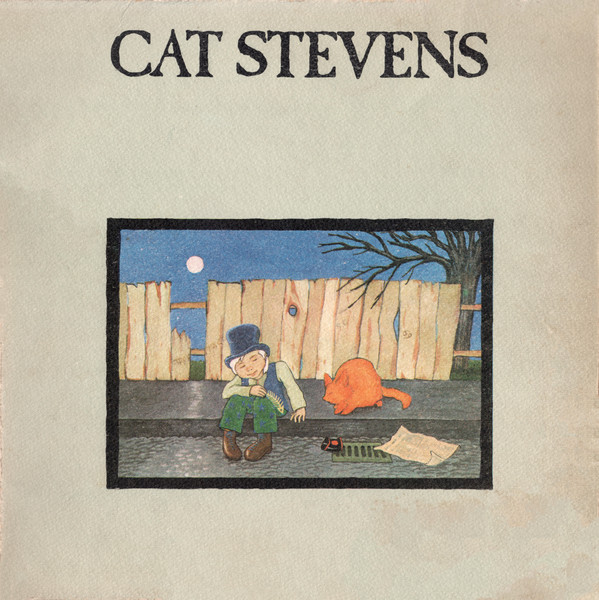
Teaser And The Firecat
1971

90125
1983
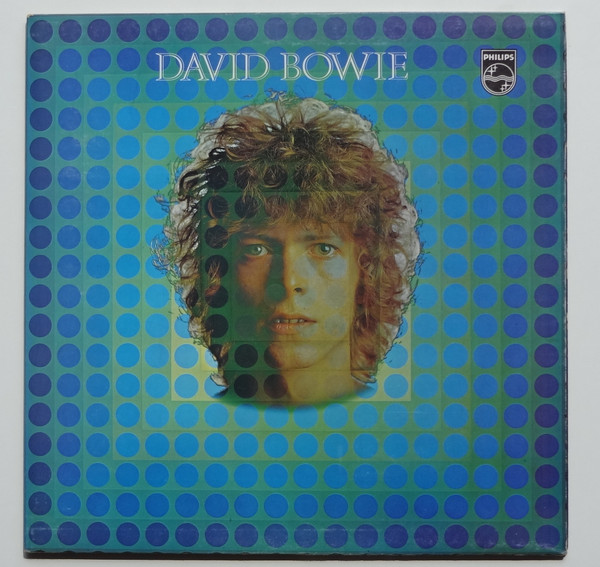
David Bowie
1969
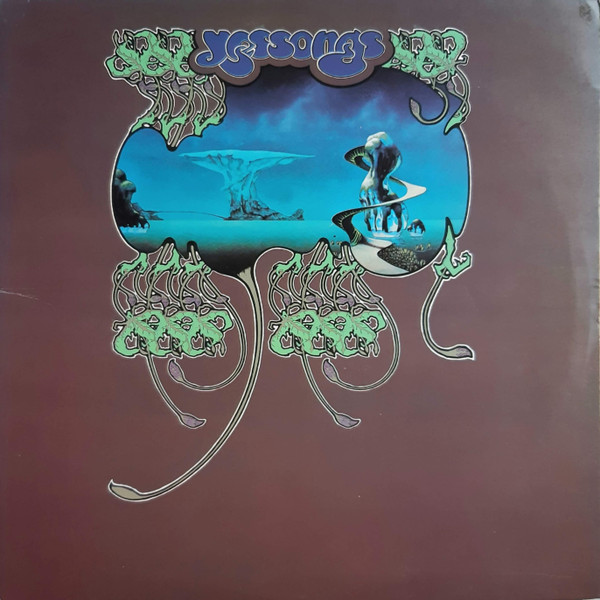
Yessongs
1973
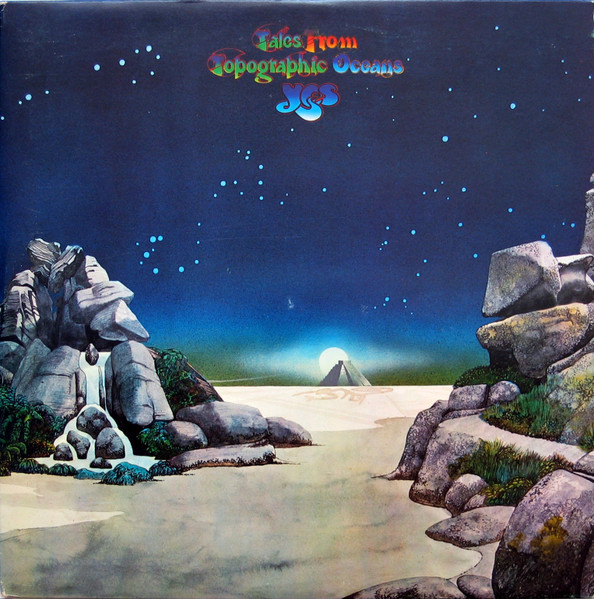
Tales From Topographic Oceans
1973

Going For The One
1977
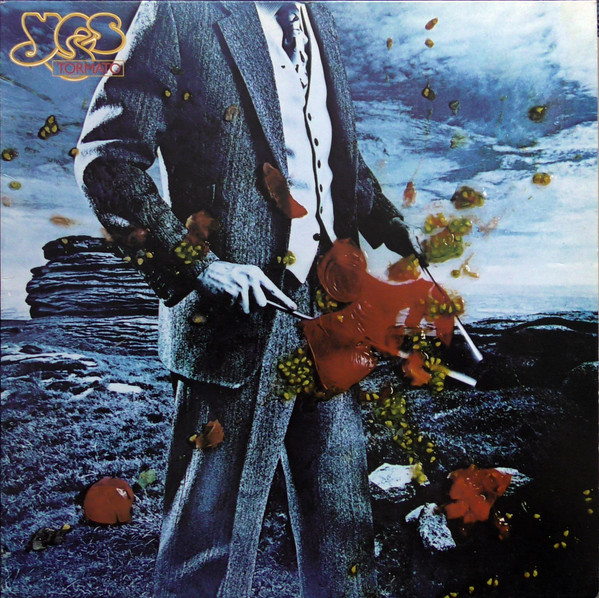
Tormato
1978
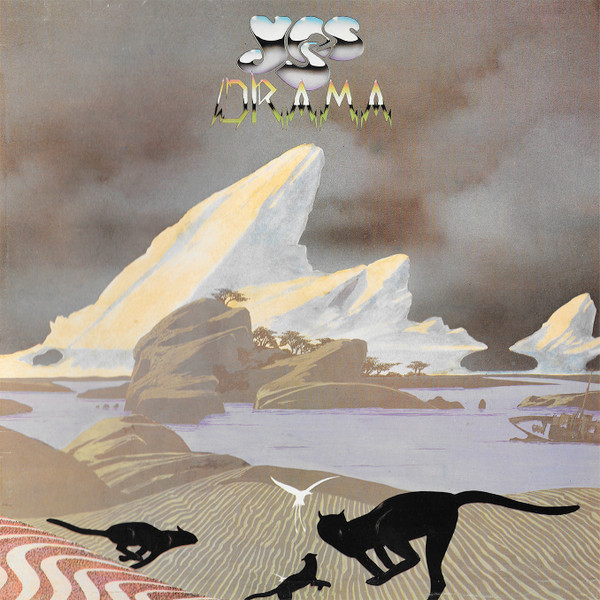
Drama
1980

Changesbowie
1990
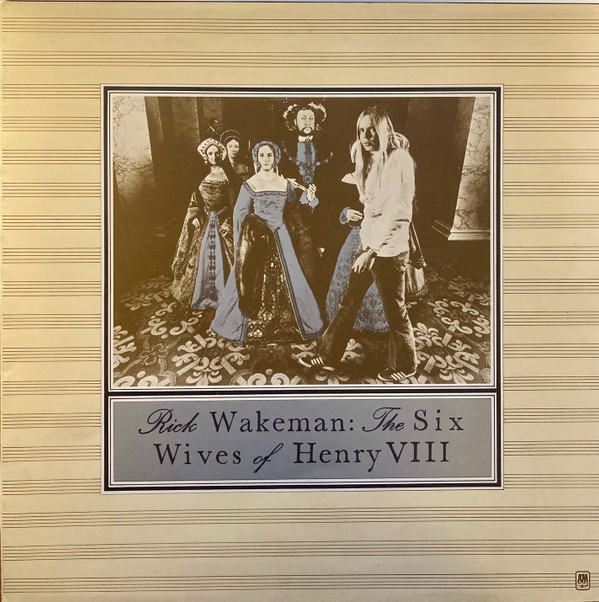
The Six Wives Of Henry VIII
1973
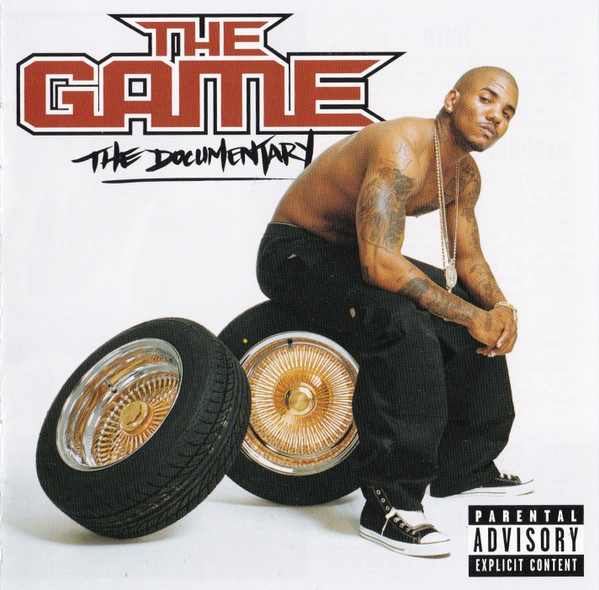
The Documentary
2005

ChangesTwoBowie
1981

The Grind Date
2004

Journey To The Centre Of The Earth
1974

Divine Symmetry
2022
Yesshows
1980
Sound+Vision
1989
Credited work
5,170 releases · 424 albums · active 1969–2026
- Performance · 14,430
- Other credits · 2,791
- Production · 1,216
- Engineering · 13
- Mastering · 2
Studios: Trident Studios · Morgan Studios · Advision Studios · Mountain Studios