
Production · Performance
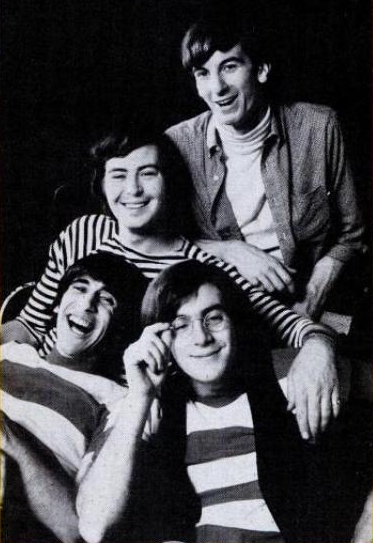
The Lovin' Spoonful
New York City, United States
The Lovin' Spoonful is credited on 106 releases across 15 albums tracked on Gatefold, active 1966–2026 — the collector-built map of who actually made the music.
106
Pressings credited
15
Albums
7
Decades active
11
In collections
Biography
The Lovin' Spoonful is a Canadian-American folk-rock band formed in Greenwich Village, New York City, in 1964. The band were among the most popular groups in the United States for a short period in the mid-1960s and their music and image influenced many of the contemporary rock acts of their era. Beginning in July 1965 with their debut single "Do You Believe in Magic", the band had seven consecutive singles reach the Top Ten of the US charts in the eighteen months that followed, including the number-two hits "Daydream" and "Did You Ever Have to Make Up Your Mind?" and the chart-topping "Summer in the City". Led by their primary songwriter John Sebastian, the Spoonful took their earliest influences from jug band and blues music, reworking them into a popular music format. In 1965, the band helped pioneer the development of the musical genre of folk rock. By 1966, the group were "one of the most highly regarded American bands", and they were the year's third-best-selling singles act in the US, after the Beatles and the Rolling Stones. As psychedelia expanded in popularity in 1967, the Spoonful struggled to transition their approach and saw diminished sales before disbanding in 1968. Before they founded the Spoonful, Sebastian (guitar, harmonica, autoharp, vocals) and Zal Yanovsky (guitar, vocals) were active in Greenwich Village's folk-music scene. Aiming to create an "electric jug band", they recruited the local rock musicians Steve Boone (bass guitar) and Joe Butler (drums, vocals). The four-piece lineup honed their sound at New York nightclubs before they began recording for Kama Sutra Records with the producer Erik Jacobsen. In May 1966, at the height of the band's success, Yanovsky and Boone were arrested for marijuana possession in San Francisco. The pair revealed their drug source to authorities to avoid Yanovsky being deported to his native Canada, an action which generated tensions within the group. Due to disagreements over their artistic direction, the band
Bio from Wikipedia
Credited work
106 releases · 15 albums · active 1966–2026
- Production · 57
- Performance · 47
- Other credits · 14
Studios: Coast Recorders · The Matrix · Egg Studios · Whiterooms Tonstudio
Discography
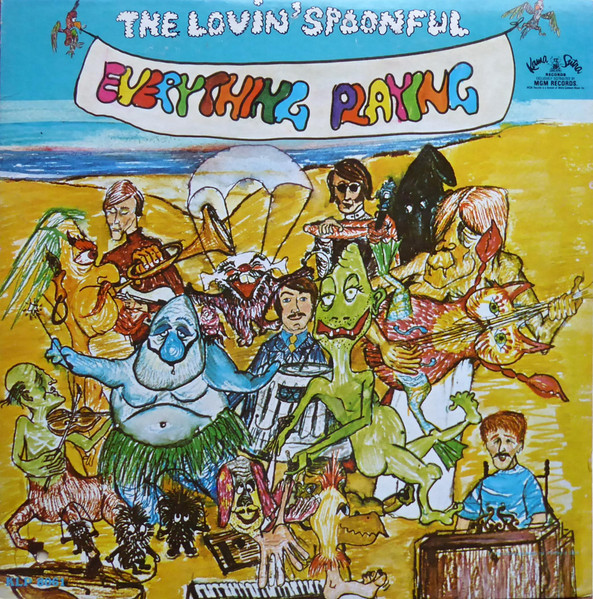
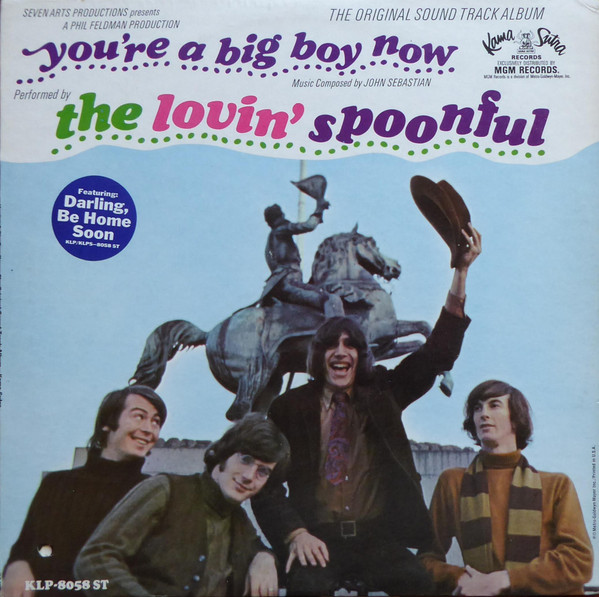
Records they worked on — most-collected first.


Frequent collaborators
- Michael Kamen
- Totte Wallin
- The Flamin Groovies
- The Stranglers
- Circulation (3)
- Jeffrey Kaufman
Around the web
See who really made the music.
Gatefold maps every producer, engineer, and player across your shelf — the credits no one else surfaces.
Start your shelf →Free forever. Works with 10 records or 10,000.