
Performance · Other credits
Bedřich Smetana
composer
Czech Republic · 1824-03-02 – 1884-05-12
Bedřich Smetana is credited on 1,253 albums across 6,683 pressings tracked on Gatefold, active 1950–2026 — the collector-built map of who actually made the music.

1,253
Albums
6,683
Pressings
8
Decades active
42
In collections
Biography
Showing the Discogs bio
Bedřich Smetana (pronounced [ˈbɛdr̝ɪx ˈsmɛtana]; 2 March 1824 - 12 May 1884) was a Czech composer. He is best known for his symphonic poem Vltava (better known as The Moldau), the second in a cycle of six which he entitled Má vlast (My Country), and for his opera Prodaná nevěsta (The Bartered Bride).
Smetana was the son of a brewer in Litomyšl in Bohemia, then part of the Austrian Empire. He studied piano and violin from an early age, and played in an amateur string quartet with other members of his family. Smetana attended a high school in Pilsen from 1840-1843. He studied music in Prague, despite initial resistance from his father. He secured a post as music master to a noble family, and in 1848 received funds from Franz Liszt to establish his own music school.
September 1855 marked the death of his second child, his beloved four-year-old daughter Bedřiška. When his third child died nine months later, he committed himself to composition, producing the Piano Trio in G minor. This piece is full of sadness and despair, making use of phrases that are cut short, possibly in resemblance to his daughter's own life.
In 1856, Smetana moved to Gothenburg, Sweden, where he taught, conducted and gave chamber music recitals. In 1863, back in Prague, he opened a new school of music dedicated to promoting specifically Czech music. By 1874 he had become deaf from syphilis, but he continued to compose; Má vlast was written after his deafness had developed. Smetana also suffered from tinnitus, which caused him to hear a continuous, maddening high note which he described as the "shrill whistle of a first inversion chord of A-flat in the highest register of the piccolo".
From 1875 he lived in small village of Jabkenice.
His string quartet in E minor, Z mého života (From My Life, composed in 1876), the first of only two quartets, is an autobiographical work. The final movement is punctuated by a piercing high E in the first violin which, Smetana explained, represents the devastating effects of his tinnitus. He may also be hinting at this personal misfortune with the piccolo scoring in Má vlast. In 1883 Smetana, due to further progressive neurological effects of his illness, became insane, and was taken to a mental hospital in Prague, where he died the following year. He is interred in the Vyšehrad cemetery in Prague.
Smetana was the first composer to write music that was specifically Czech in character. Many of his operas are based on Czech themes and myths, the best known being the comedy The Bartered Bride (1866). He used many Czech dance rhythms and his melodies sometimes resemble folk songs. He was a great influence on Antonín Dvořák, who similarly used Czech themes in his works.
Bio from Discogs
Credited work
1,253 albums · 6,683 pressings · active 1950–2026
- Performance · 7,664
- Other credits · 173
Studios: Supraphon Studio At The House Of Artists · Jesus-Christus-Kirche, Berlin · Smetana Hall · Studio Domovina
Discography
Records they worked on — most-collected first.

Hooked On Classics 3 - Journey Through The Classics
1983

Symphonie Nr. 5 (9) E-Moll Op. 95 "Aus Der Neuen Welt"
1964
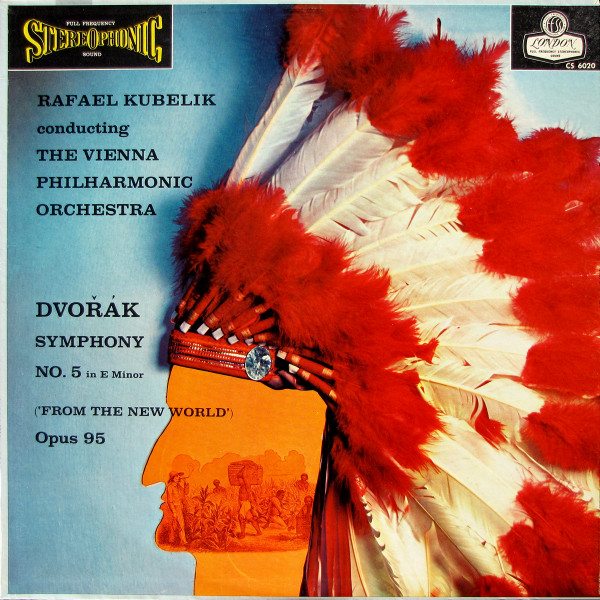
New World Symphony
1959

"New World" Symphony And Other Orchestral Masterworks
1986

Träum Was Schönes
1979

Symphonie Du Nouveau Monde / La Moldau
1977

Má Vlast
1975

Má Vlast
1971
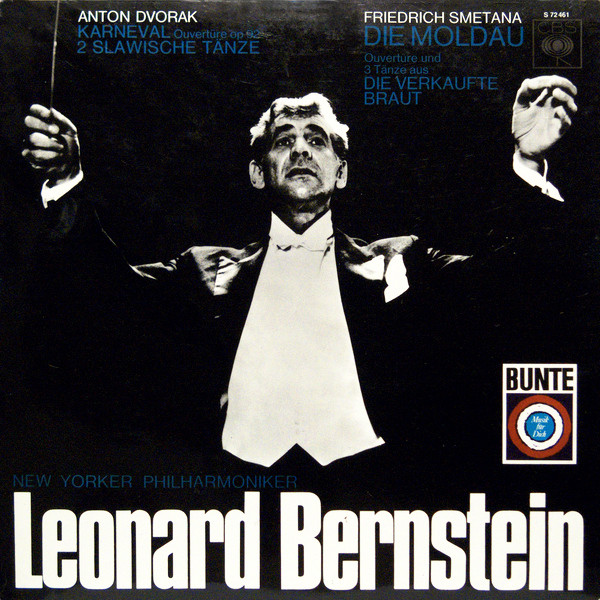
The Moldau And Other Favorites
1966

Ritual Fire Dance
1966

Smyčcové Kvartety (Č. 1 E Moll „Z Mého Života“ / Č. 2 D Moll)
1964

Mondo Cane #2
1964

The Moldau / The High Castle From Bohemia's Meadows And Forests

Les Préludes · Mazeppa / Ungarische Rhapsodie No. 4 · Vyšehrad · Die Moldau
1995

Cello Concerto In B Minor, Op. 104 / The Moldau (Vltava)
1991

Má Vlast / My Country
1991

Synthesizer Greatest The Classical Masterpieces
1990

Chromí Koně
1990

Má Vlast = Mein Vaterland = My Fatherland = Ma Patrie
1987

Symphonie No. 9 / Moldau
1985

Symphonie D'Amour
1982
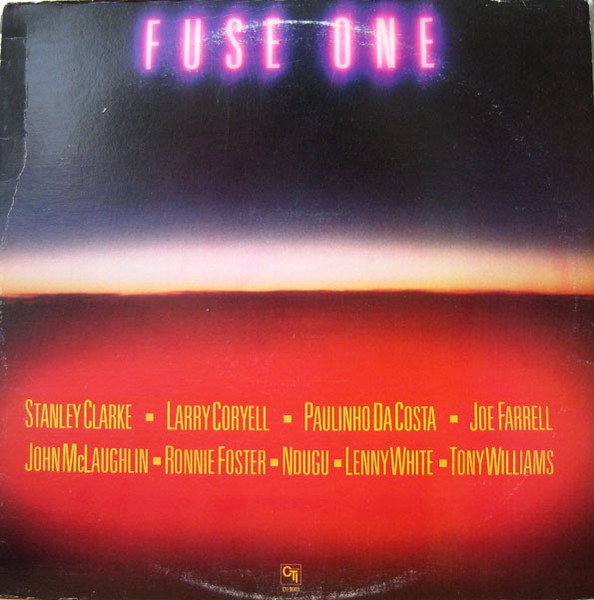
Fuse One
1980

Klavírní Dílo
1980

Triumph Der Goldenen Stimme
1979
Frequent collaborators
- Various
- Smetana
- Dvořák
- Friedrich Smetana
- Herbert von Karajan
- Karel Gott
- Antonín Dvořák
- Dvorak
Around the web
See who really made the music.
Gatefold maps every producer, engineer, and player across your shelf — the credits no one else surfaces.
Start your shelf →Free forever. Works with 10 records or 10,000.