Performance · Other credits
Buddy Holly
1950s rock & roll singer‐songwriter
Lubbock, United States · 1936-09-07 – 1959-02-03
Buddy Holly is credited on 5,429 releases across 1,188 albums tracked on Gatefold, active 1956–2026 — the collector-built map of who actually made the music.

5,429
Pressings credited
1,188
Albums
8
Decades active
1,127
In collections
Biography
Charles Hardin Holley (September 7, 1936 – February 3, 1959), known professionally by his stage name Buddy Holly, was an American singer, songwriter, and musician who was a central and pioneering figure of rock and roll. He was born to a musical family in Lubbock, Texas, during the Great Depression, and learned to play guitar and sing alongside his two siblings. Holly made his first appearance on local television in 1952, and the following year he formed the group Buddy and Bob with his friend Bob Montgomery. In 1955, after opening once for Elvis Presley, Holly decided to pursue a career in music. He played with Presley three times that year, and his band's style shifted from country and western to rock and roll. In October that year, when Holly opened for Bill Haley & His Comets, he was spotted by Nashville scout Eddie Crandall, who helped him get a contract with Decca Records. Holly's recording sessions at Decca were produced by Owen Bradley, who had become famous for producing orchestrated country hits for stars like Patsy Cline. Unhappy with Bradley's musical style and control in the studio, Holly went to producer Norman Petty in Clovis, New Mexico, and recorded a demo of "That'll Be the Day", among other songs. Petty became the band's manager and sent the demo to Brunswick Records, which released it as a single credited to the Crickets, a name chosen by the band to subvert Decca's contract limitations. In September 1957, as the band toured, "That'll Be the Day" topped the US and UK singles charts. Its success was followed in October by another major hit, "Peggy Sue". The album The "Chirping" Crickets, released in November 1957, reached number five on the UK Albums Chart. Holly made his second appearance on The Ed Sullivan Show in January 1958 and soon after toured Australia and then the UK. In early 1959, he assembled a new band, consisting of Waylon Jennings (bass), Tommy Allsup (guitar), and Carl Bunch (drums), and embarked on a tour of the mid-western US. A
Bio from Wikipedia
Credited work
5,429 releases · 1,188 albums · active 1956–2026
- Performance · 10,056
- Other credits · 113
- Production · 15
- Engineering · 1
Studios: Maida Vale Studios · Paris Theatre, London · Broadcasting House, London · Western Recorders
Discography
Records they worked on — most-collected first.
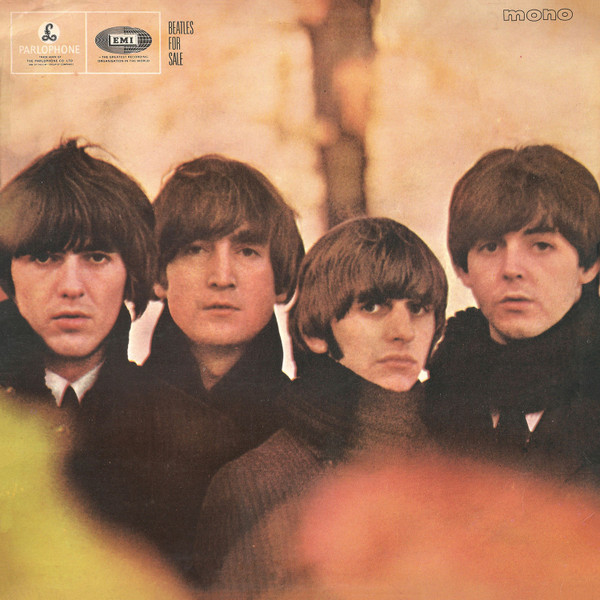
Beatles For Sale
1964
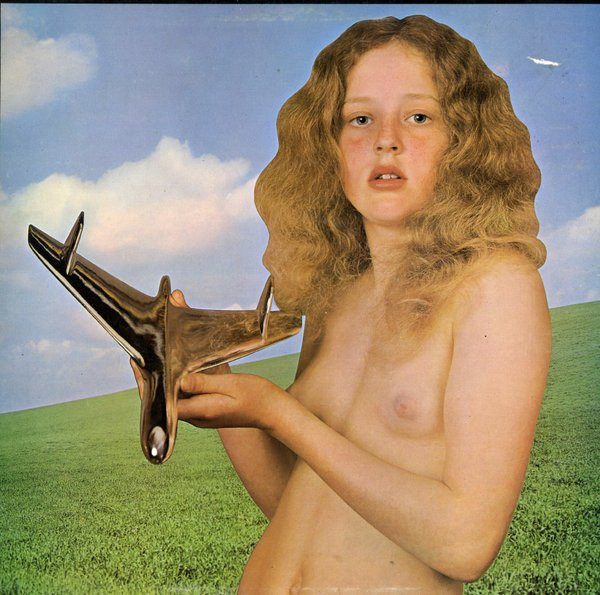
Blind Faith
1969
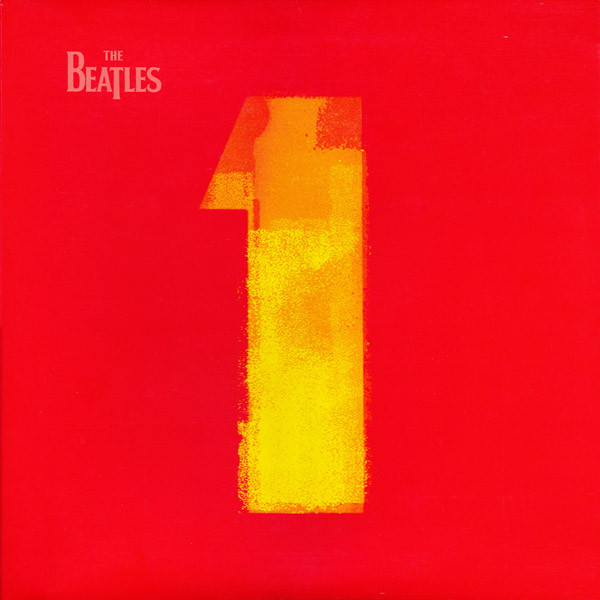
1
2000
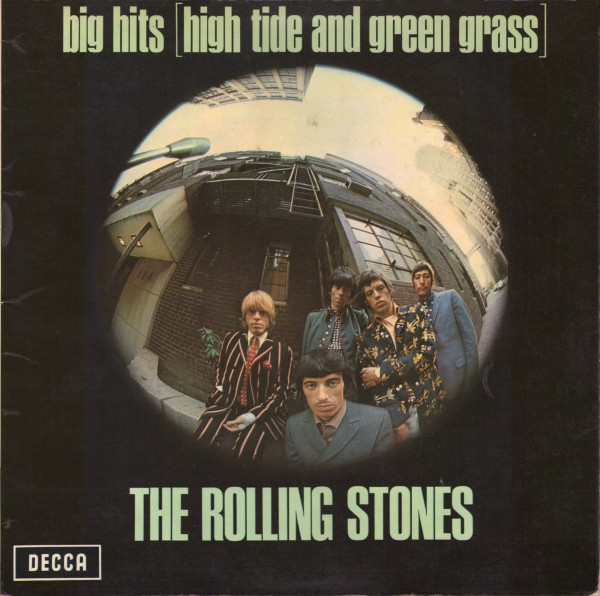
Big Hits (High Tide And Green Grass)
1966
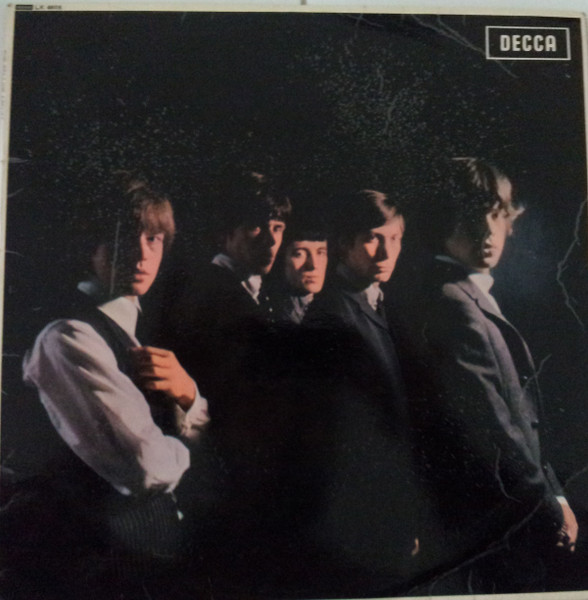
The Rolling Stones
1964
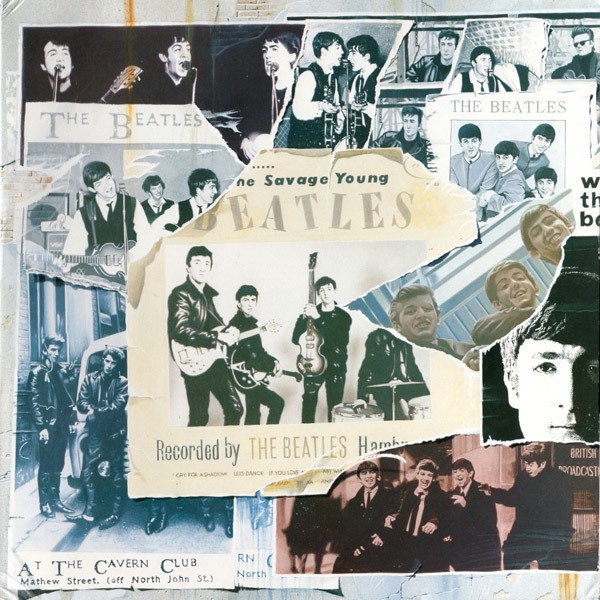
Anthology 1
1995
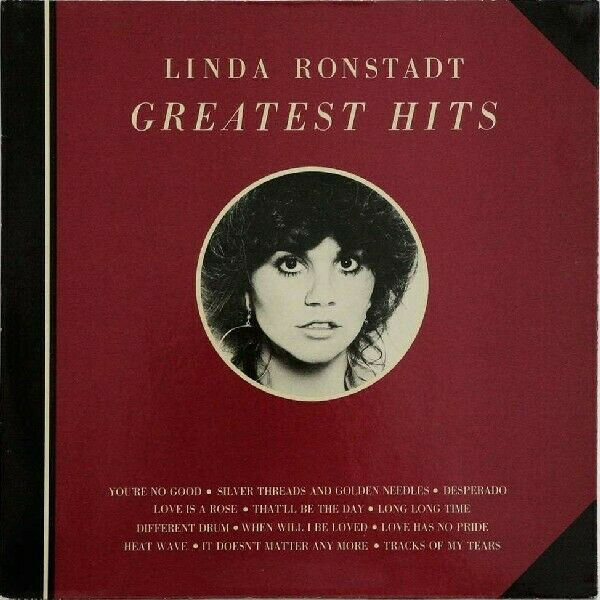
Greatest Hits
1976
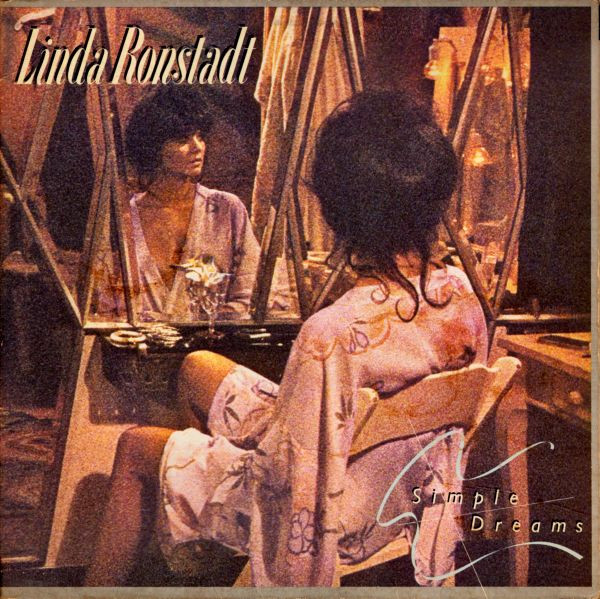
Simple Dreams
1977

20 Golden Greats
1977
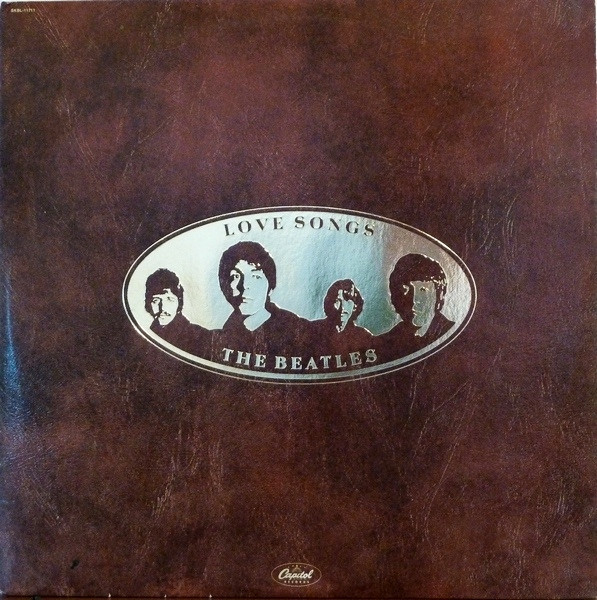
Love Songs
1977
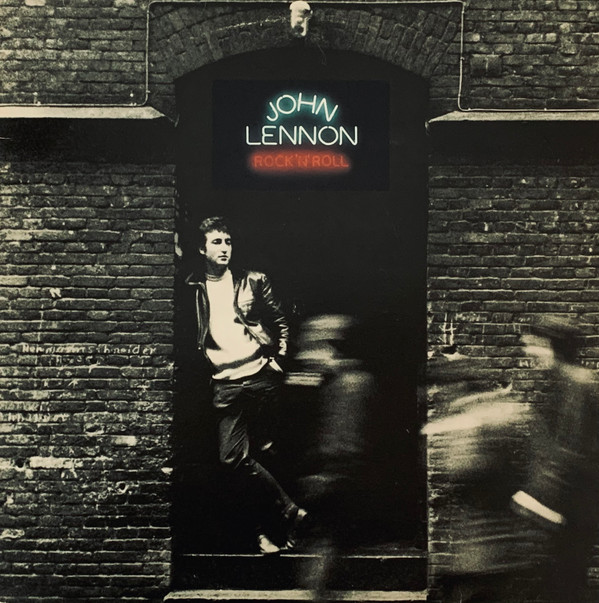
Rock 'N' Roll
1975
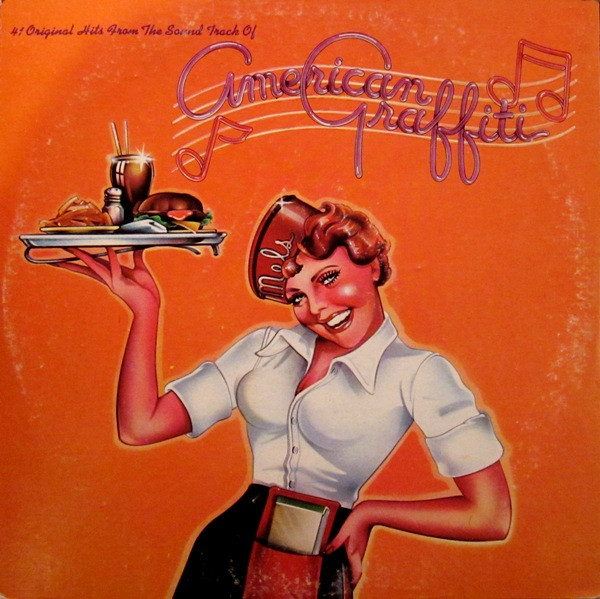
41 Original Hits From The Sound Track Of American Graffiti
1973
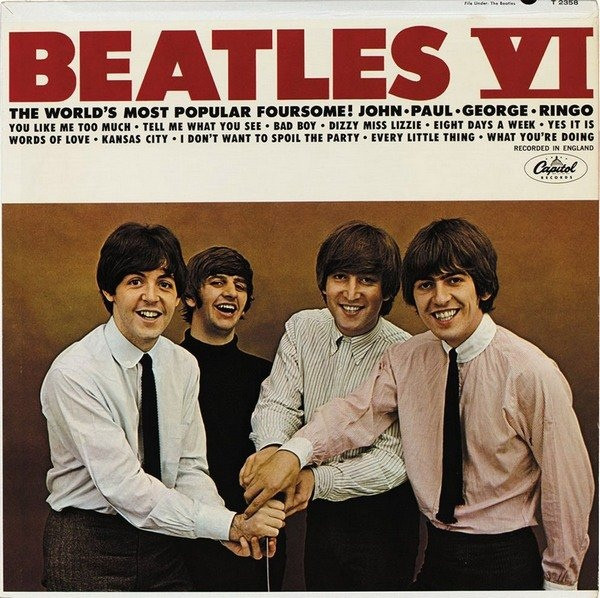
Beatles VI
1965
The Beatles In Mono
2009
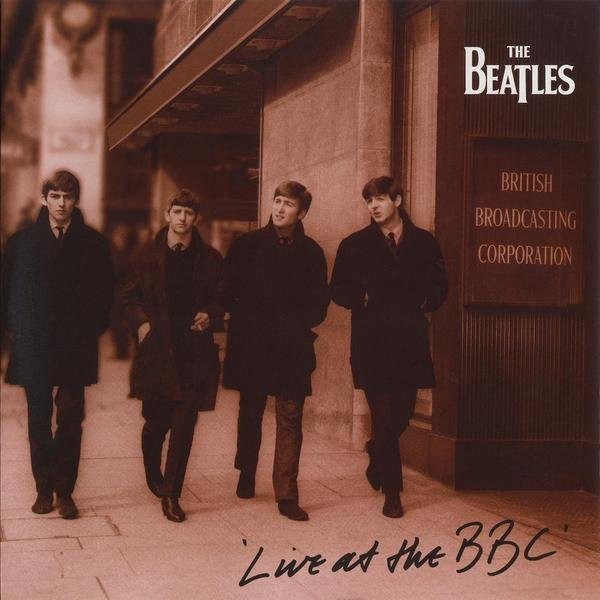
Live At The BBC
1994
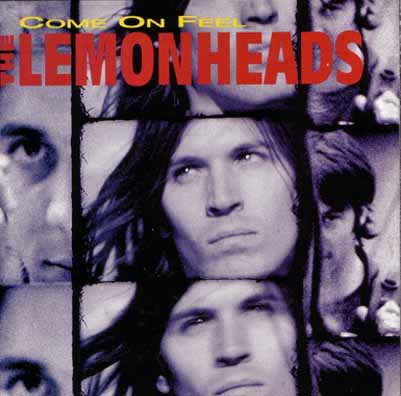
Come On Feel The Lemonheads
1993
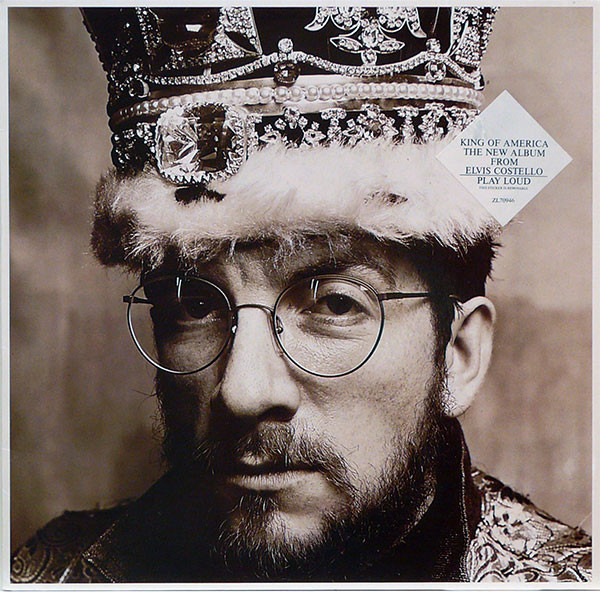
King Of America
1986
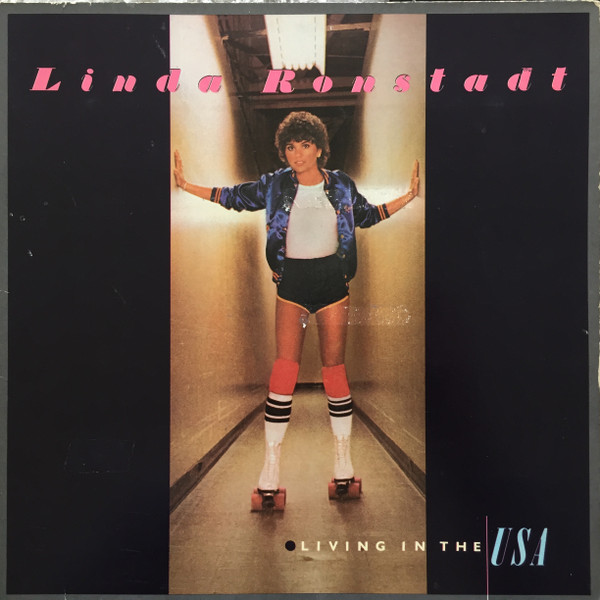
Living In The USA
1978
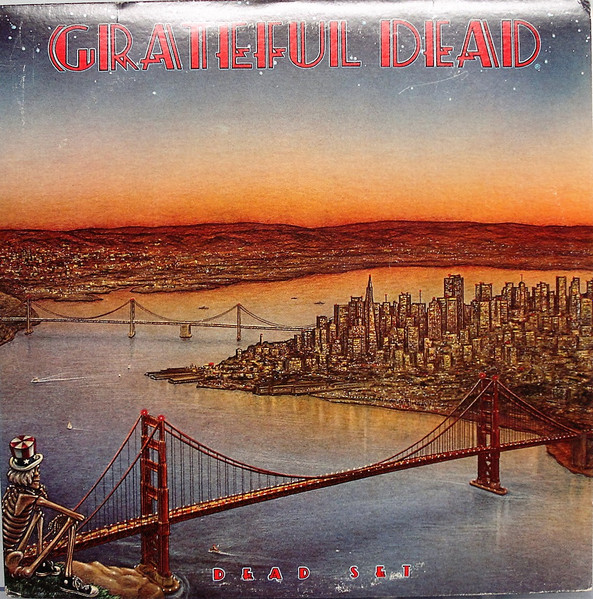
Dead Set
1981
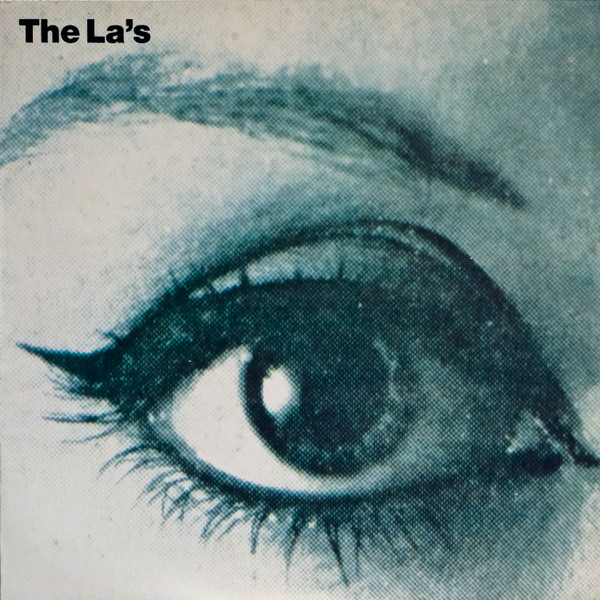
The La's
1990
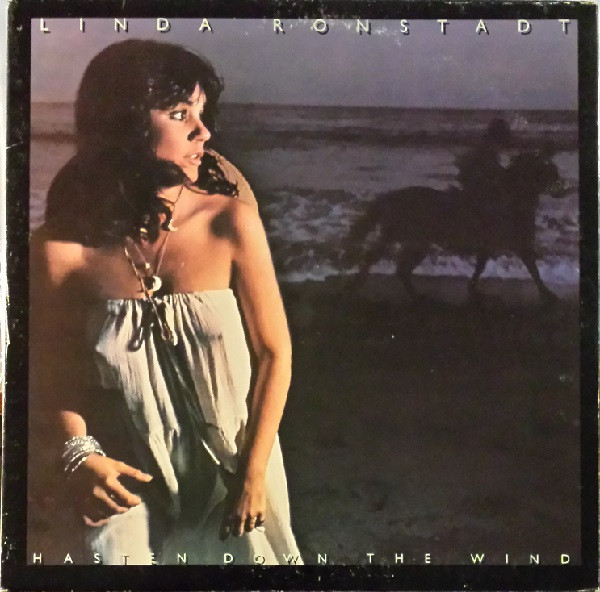
Hasten Down The Wind
1976
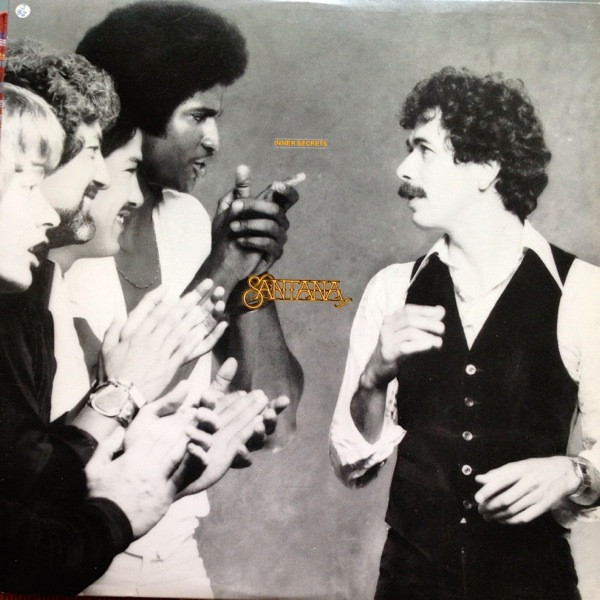
Inner Secrets
1978
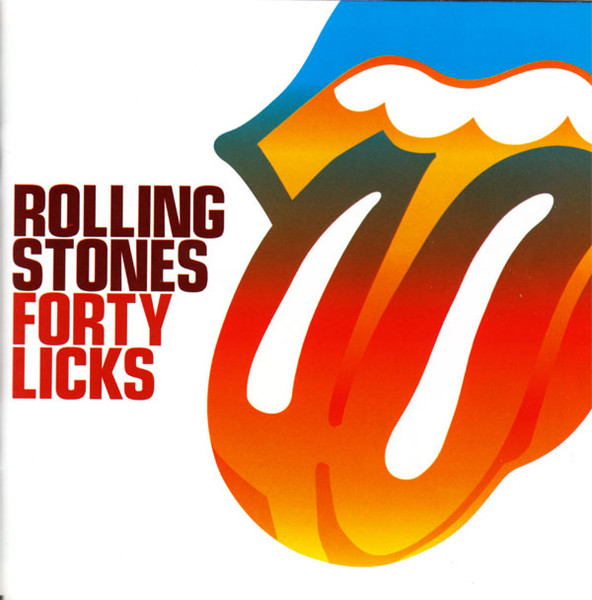
Forty Licks
2002
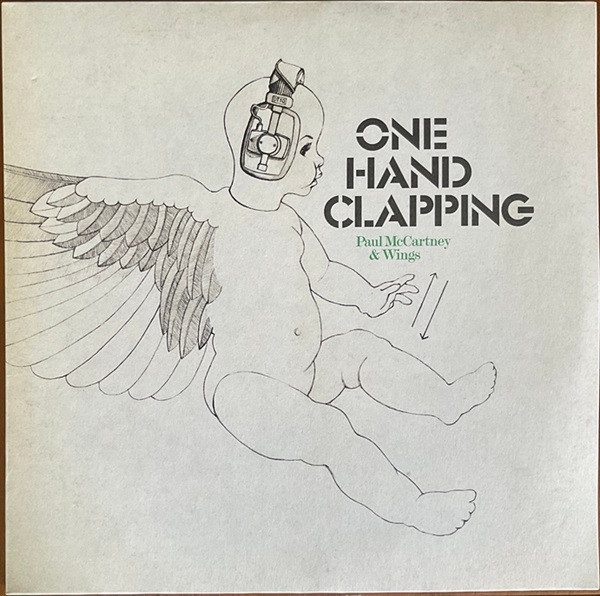
One Hand Clapping
2024
Frequent collaborators
Around the web
See who really made the music.
Gatefold maps every producer, engineer, and player across your shelf — the credits no one else surfaces.
Start your shelf →Free forever. Works with 10 records or 10,000.