
Performance · Other credits
Camille Saint-Saëns
real name Charles-Camille Saint-Saëns
11th arrondissement of Paris, France
Camille Saint-Saëns is credited on 2,424 albums across 13,397 pressings tracked on Gatefold, active 1950–2026 — the collector-built map of who actually made the music.

2,424
Albums
13,397
Pressings
8
Decades active
122
In collections
Biography
Showing the Discogs bio
Born 9 October 1835 in Paris, died 16 December 1921 (Algiers, Algeria)
French composer, organist, conductor and pianist of the Romantic era.
Bio from Discogs
Credited work
2,424 albums · 13,397 pressings · active 1950–2026
- Performance · 15,611
- Other credits · 257
- Production · 8
Studios: Abbey Road Studios · Kingsway Hall · Salle Wagram, Paris · Saint Eustache Church
Discography
Records they worked on — most-collected first.
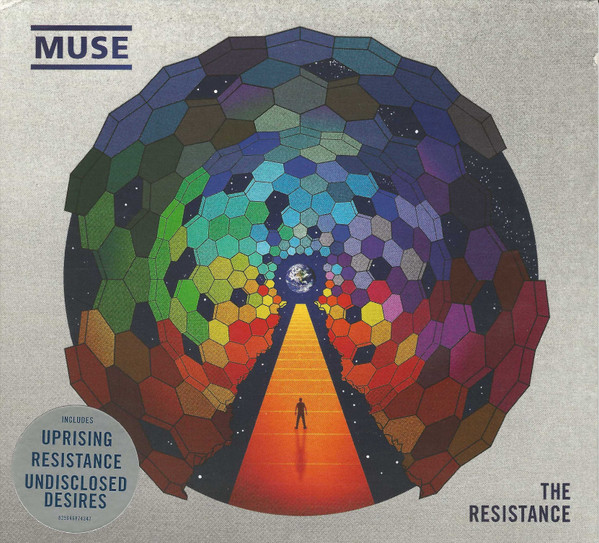
The Resistance
2009
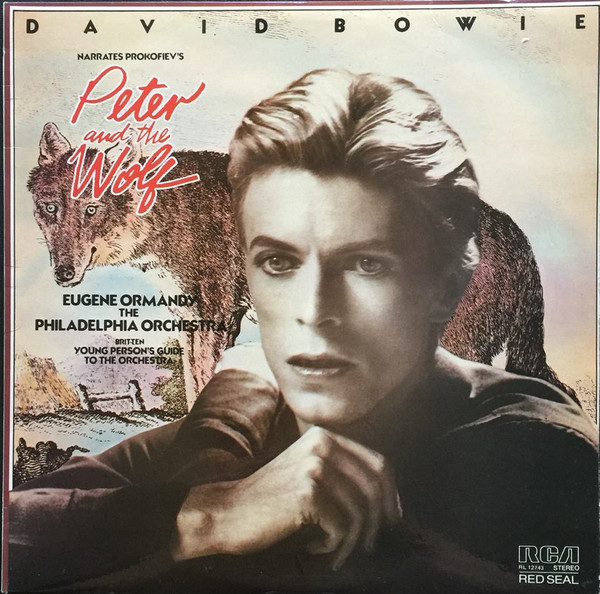
Peter And The Wolf / Young Person's Guide To The Orchestra
1978
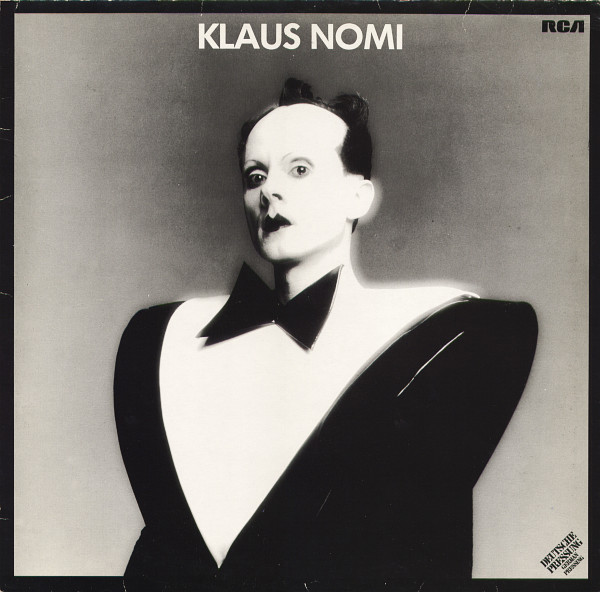
Klaus Nomi
1981
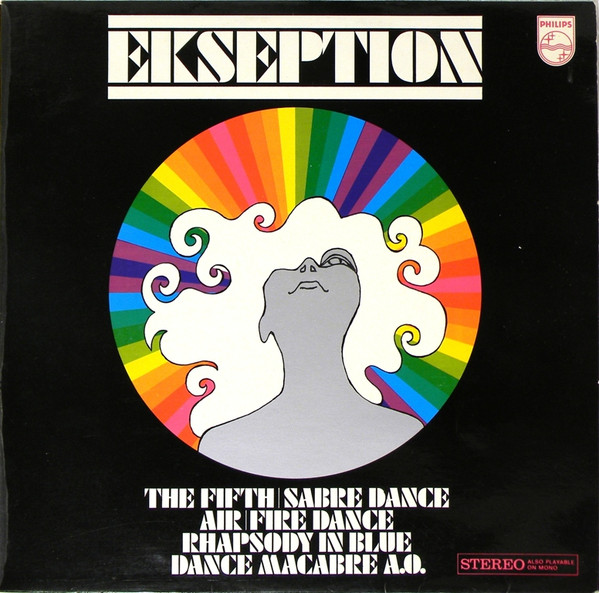
Ekseption
1969

Hooked On Classics 3 - Journey Through The Classics
1983

Christmas Carols Around The World
1961
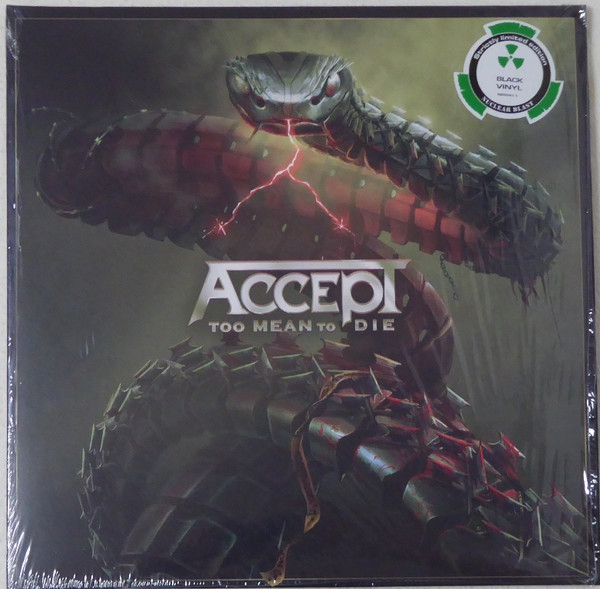
Too Mean To Die
2021

Sky Five Live
1983
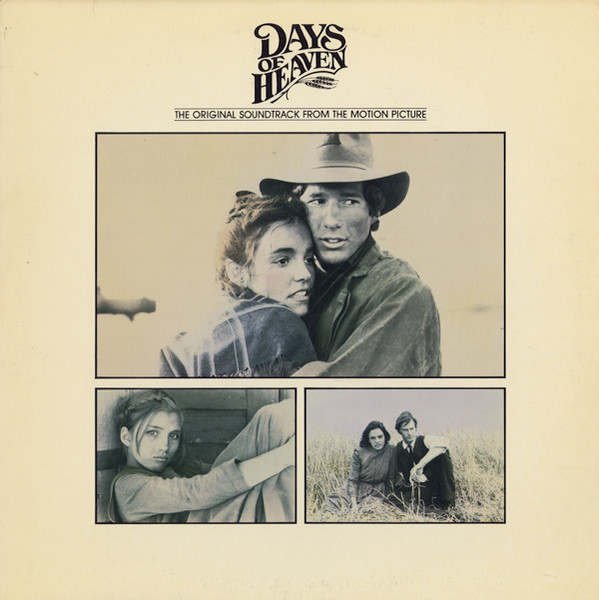
Days Of Heaven - The Original Soundtrack From The Motion Picture
1979
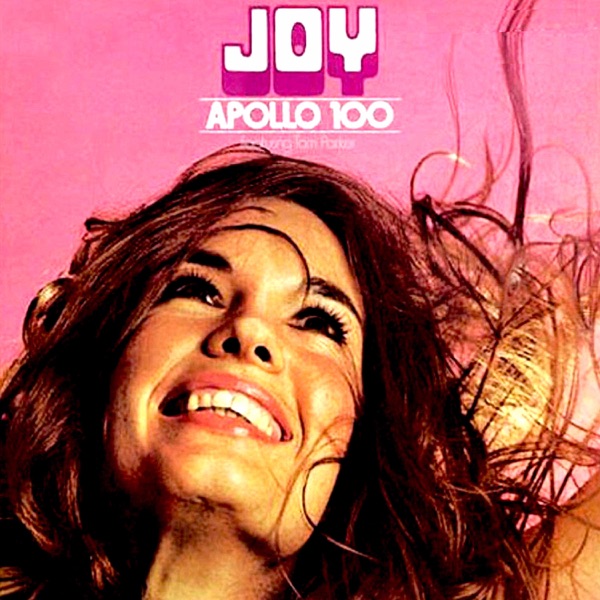
Joy
1972
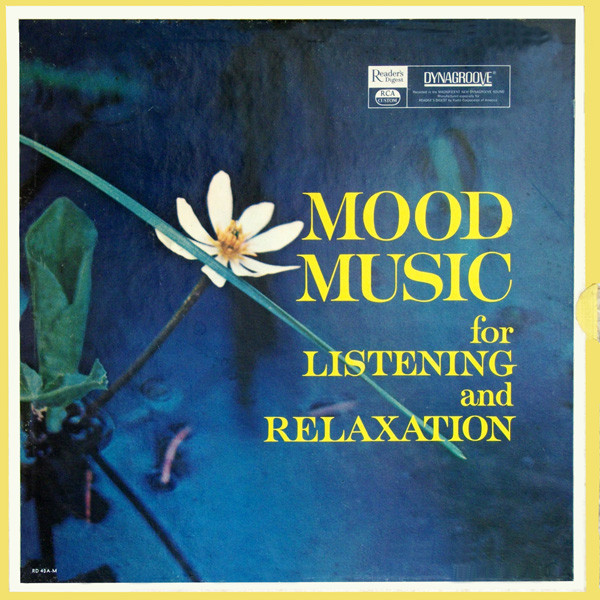
Mood Music For Listening And Relaxation
1963

Alley Cat
1962

(T.N.O.T.A.A.T.P.B.T.Q.A.S.F.A.B.O.O.T.D.O.S.S.T.T.E.V.H.S)
2020
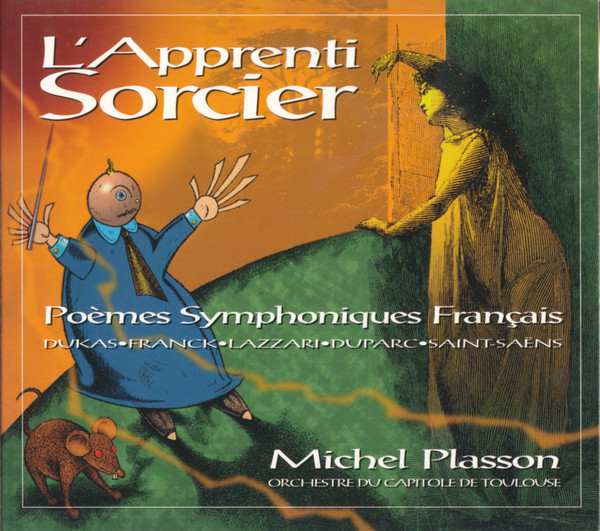
L'Apprenti Sorcier – Poèmes Symphoniques Français
1996

Chiller
1989
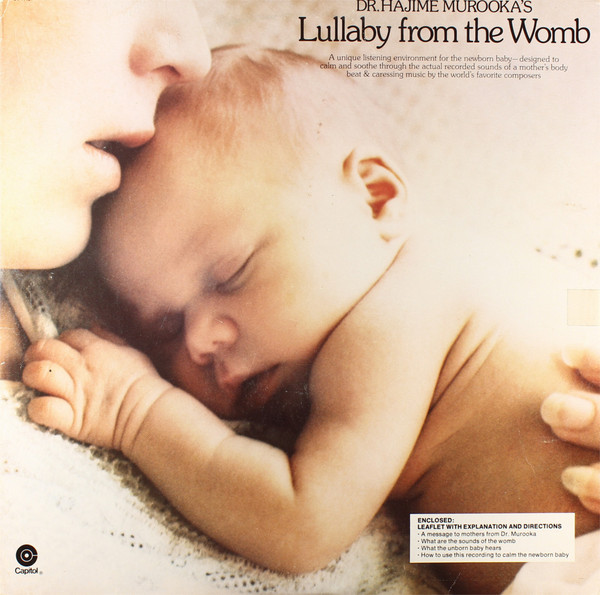
Lullaby From The Womb
1974

25 Most Beloved Melodies
1967

The Enchanted World Of Ferrante & Teicher
1964

Nina Simone At Carnegie Hall
1963

Mallet Magic
1957

Oberon
2022

Dear Wormwood
2015

Essential Opera Arias
2011

Requiem
2006
Frequent collaborators
- Various
- Saint-Saëns
- Maria Callas
- Saint-Saens
- Prokofiev
- Lalo
- Ravel
- Unknown Artist
Around the web
See who really made the music.
Gatefold maps every producer, engineer, and player across your shelf — the credits no one else surfaces.
Start your shelf →Free forever. Works with 10 records or 10,000.