
Other credits
Caspar David Friedrich
Caspar David Friedrich is credited on 741 pressings across 305 albums tracked on Gatefold, active 1957–2025 — the collector-built map of who actually made the music.

741
Credits
305
Albums
8
Decades active
42
In collections
Biography
Showing the Discogs bio
German Romantic landscape painter, born 5 September 1774 in Greifswald, Swedish Pomerania (now Germany), and died 7 May 1840 in Dresden, Germany.
Bio from Discogs
Credited work
741 releases · 305 albums · active 1957–2025
- Other credits · 807
Studios: Tonstudio van Geest · Clara Wieck Auditorium, Heidelberg · Italian Institute, Budapest · Rosslyn Hill Chapel, Hampstead
Discography
Records they worked on — most-collected first.

Return To The Sea
2006
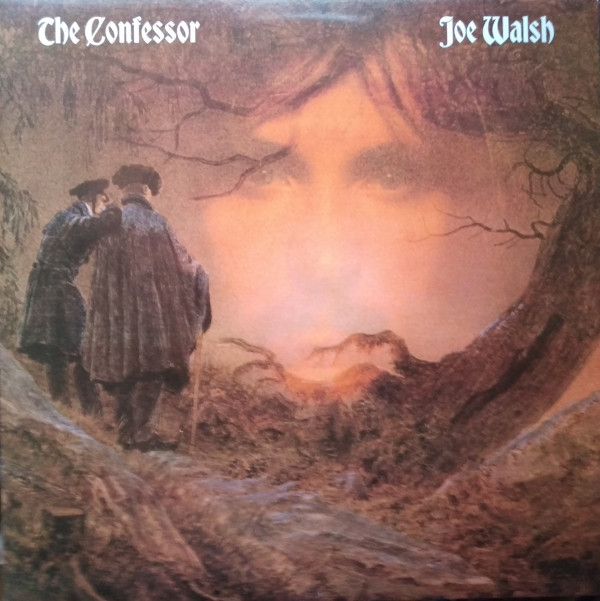
The Confessor
1985

Music For Peer Gynt
1958
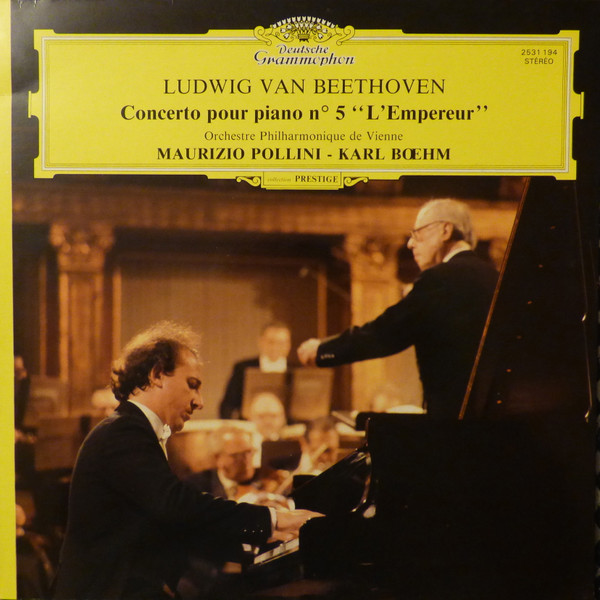
Klavierkonzert Nr. 5 · "Emperor" Concerto
1979

Requiem
1971

Peer Gynt (Incidental Music To Ibsen's Play)
1959

Piano Trios D. 898 • D. 28
1989
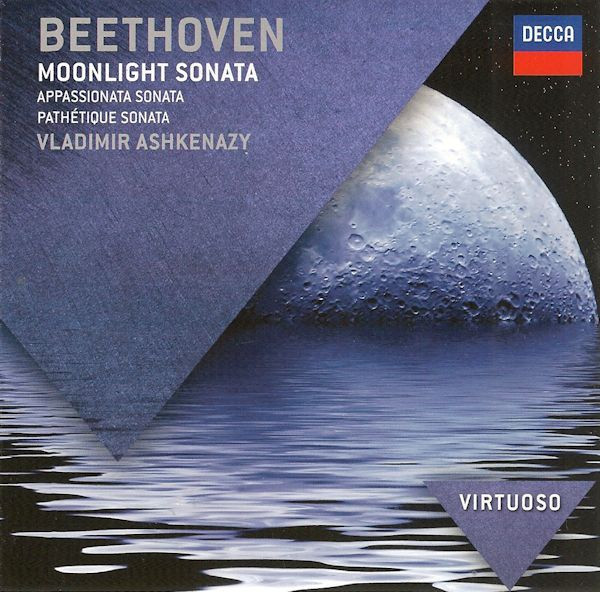
Piano Sonatas Moonlight, Pathetique & Appassionata
1983

Piano Concerto N° 2

Songs Of Origin And Spirit
2020

Mon Royaume
2018
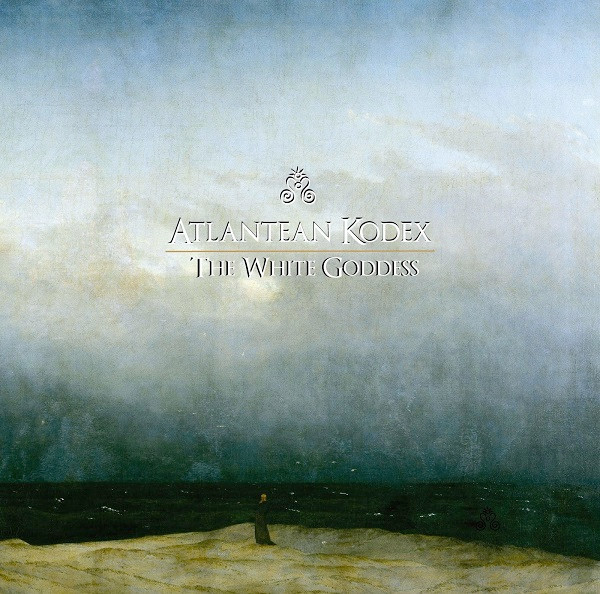
The White Goddess (A Grammar Of Poetic Myth)
2013

Lost Horizons Of Wisdom
2008
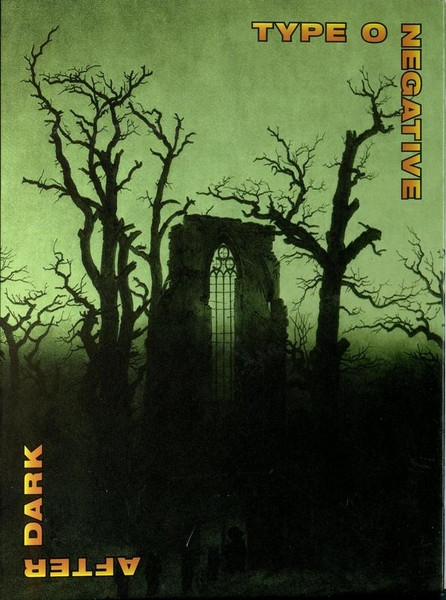
After Dark
1998

Klavierkonzert = Piano Concerto No.3
1979

Symphonie Nr. 1
1976

Posthorn-Serenade KV 320 / Serenata Notturna KV 239
1971

Symphony No. 4 In E-Flat "Romantic"
1970
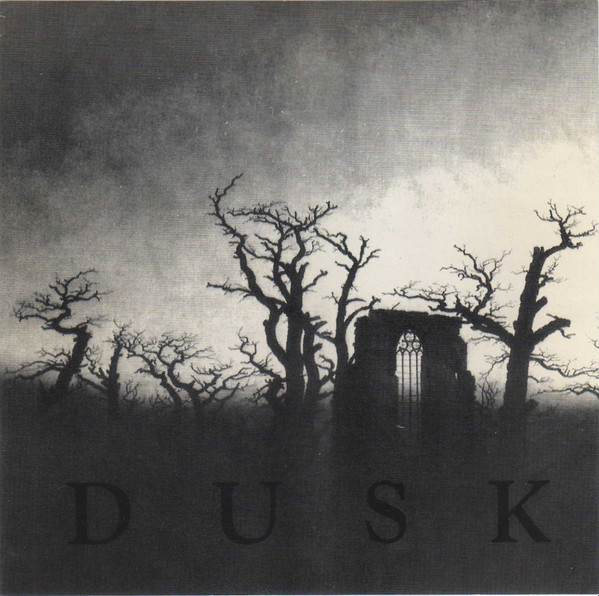
Dusk
1994

A Light In The Darkness
1990
Frequent collaborators
- Schubert
- Beethoven
- Brahms
- Franz Schubert
- Robert Schumann
- Johannes Brahms
- Wolfgang Amadeus Mozart
- Mendelssohn
Around the web
See who really made the music.
Gatefold maps every producer, engineer, and player across your shelf — the credits no one else surfaces.
Start your shelf →Free forever. Works with 10 records or 10,000.