Performance · Other credits
Clare Fischer
real name Douglas Clare Fischer
Shiawassee County, United States
Clare Fischer is credited on 1,806 releases across 443 albums tracked on Gatefold, active 1950–2026 — the collector-built map of who actually made the music.
1,806
Credits
443
Albums
8
Decades active
626
In collections
Biography
Showing the Discogs bio
Clare Fischer (22 October 1928, Durand, Michigan — 26 January 2012, Los Angeles, California) was an American jazz composer, arranger, bandleader, keyboardist, and multi-instrumentalist. He was the younger brother of Stewart "Dirk" Fischer (opens in a new tab) (1924—2014), uncle of André Fischer (opens in a new tab) (b. 1948), and father of (b. 1964), with whom Clare extensively collaborated. With a career spanning over five decades, Fischer came to prominence in the early 1960s with seminal albums in Afro-Cuban jazz, salsa, and bossa nova genres, and wrote two standards, Pensativa and Morning (opens in a new tab). Since the 1970s, Clare Fischer was a sought-after session musician and arranger, collaborating with Prince, João Gilberto, Paul McCartney, Céline Dion, Robert Palmer, Paula Abdul, Natalie Cole, Branford Marsalis, and Michael Jackson.
Fischer attended Michigan State University, studying composition and music theory under Herbert Owen Reed and graduating cum laude with his Bachelor's degree in 1951, followed by a Master's in 1955. (He received an Honorary Ph.D. from Michigan State in December 1999.) Shortly after graduation, Clare Fischer began working with The Hi-Lo's band, as a piano accompanist and subsequently an arranger on several Columbia albums. Circa 1957, Fischer arranged the September Afternoon (US 1982) (opens in a new tab) album for renowned jazz trumpeter Donald Byrd (unreleased for the next 25 years), followed by small ensemble arrangements on A Portrait Of Duke Ellington by Dizzy Gillespie, released by Verve Records to critical acclaim in 1960. He also collaborated with a prominent vibraphonist Cal Tjader on several records on Fantasy and Verve.
In 1962, after relocating to Hollywood and signing his first record deal with Pacific Jazz, Fischer released a debut album under his name, First Time Out. He soon established a reputation in Brazilian music, presenting Bossa Nova Jazz Samba duo with saxophonist Bud Shank, with "Pensativa" widely adopted as a jazz standard. He also arranged Shearing Bossa Nova by pianist George Shearing for Capitol Records. In the early-to-mid 1970s, Fischer began commissioning orchestral and string arrangements for pop-oriented R&B, funk, and disco acts, starting with Chaka Khan's band Rufus co-founded by his nephew André (opens in a new tab) and subsequently working with The Jacksons, Earl Klugh, Switch and DeBarge, Atlantic Starr, and Shotgun. Clare also wrote music for commercials and the film industry, collaborating with Henry Mancini and recording piano on Lalo Schifrin's Boulevard Nights (opens in a new tab) soundtrack, among others.
In the late 1970s, he started a new band, Clare Fischer & Salsa Picante, leading on electric piano and featuring his son Brent (opens in a new tab) on electric bass. Their debut 2+2 LP on Pausa Records, featuring an eponymous vocal quartet (opens in a new tab), earned three Grammy nominations and won the "Best Latin Recording" award in 1981. Fischer then formed Latin Jazz Sextet (opens in a new tab), winning another Grammy for "Best Jazz Vocal Performance" with Free Fall (opens in a new tab) LP in 1986. He established and directed several other prolific ensembles, including his Big Band (opens in a new tab) and Clare Fischer's Jazz Corps (US 1998) (opens in a new tab) with 20+ brass instruments.
Fischer began collaborating with Prince in 1985, contributing orchestral arrangements on Parade. In the next twenty years, they partnered on several studio albums and film soundtracks, including Sign "O" The Times, Batman (opens in a new tab), Graffiti Bridge, Love Symbol, Girl 6 (opens in a new tab), and Musicology. Clare Fischer also formed and conducted The NPG Orchestra, which recorded Prince's sole classical music experiment, Kamasutra ballet, and contributed to solo projects by Prince's protegés on Paisley Park and NPG Records, including Jill Jones, Eric Leeds, The Family (opens in a new tab) band, Chaka Khan, Larry Graham's GCS, Támar Davis, and Bria Valente.
Bio from Discogs
Credited work
1,806 releases · 443 albums · active 1950–2026
- Performance · 3,070
- Other credits · 108
- Production · 45
Studios: Record Plant, Los Angeles · Kendun Recorders · Paisley Park Studios · Van Gelder Studio, Englewood Cliffs, New Jersey
Discography
Records they worked on — most-collected first.
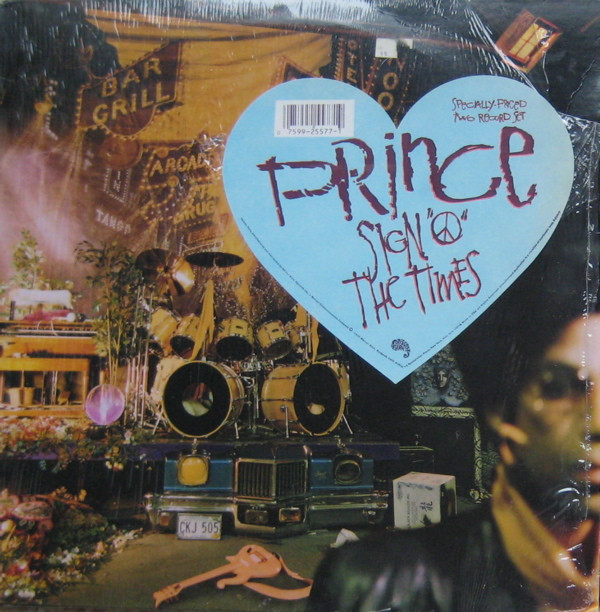
Sign "O" The Times
1987
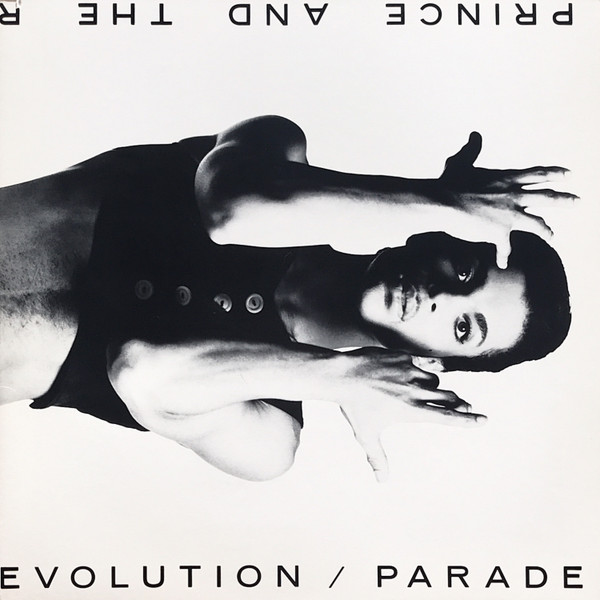
Parade
1986
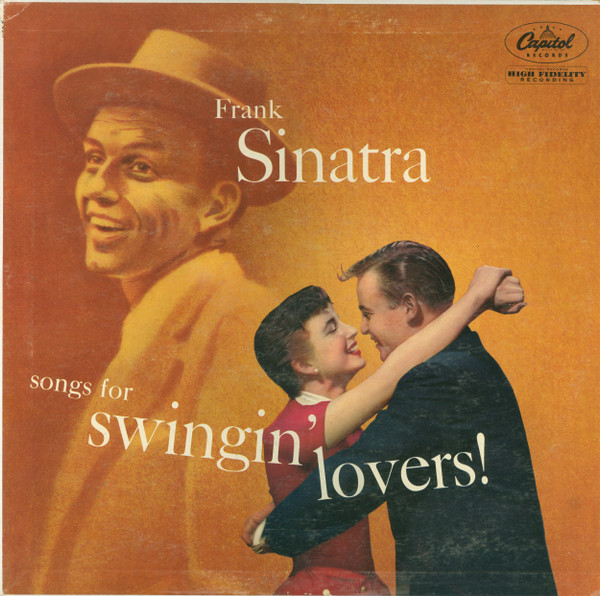
Songs For Swingin' Lovers!
1956
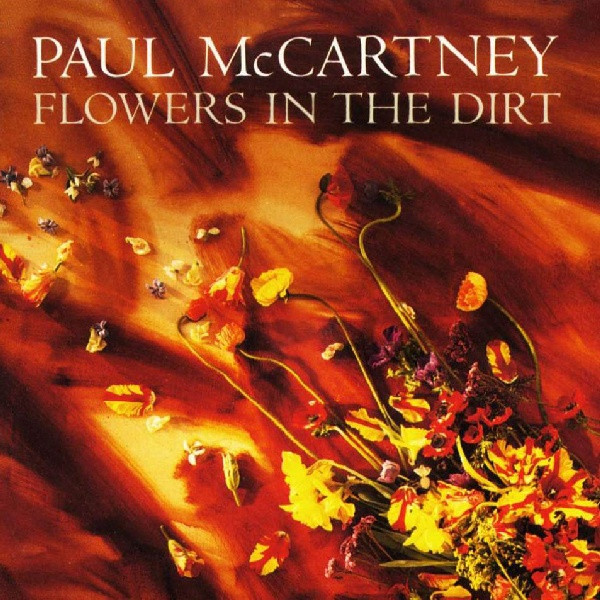
Flowers In The Dirt
1989
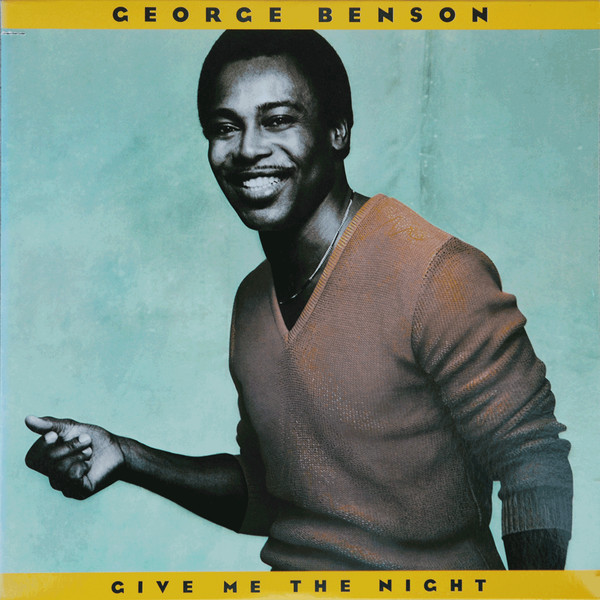
Give Me The Night
1980
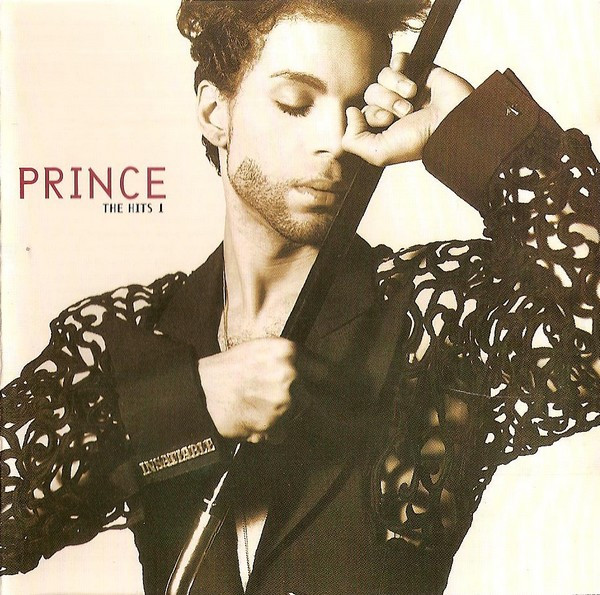
The Hits 1
1993

Originals
2019
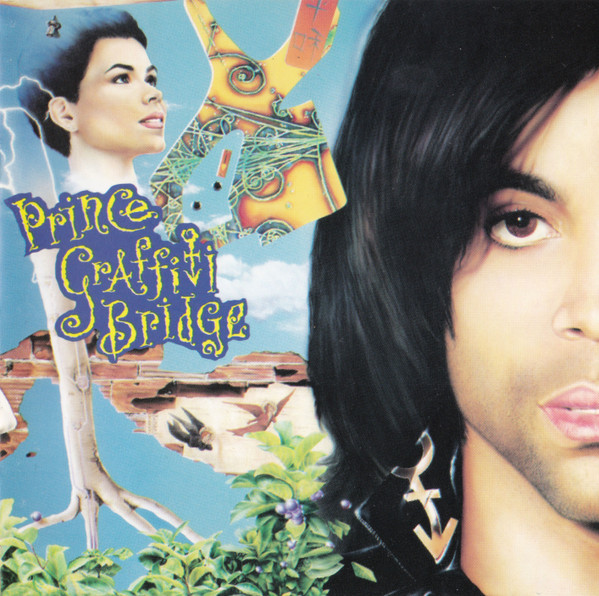
Graffiti Bridge
1990
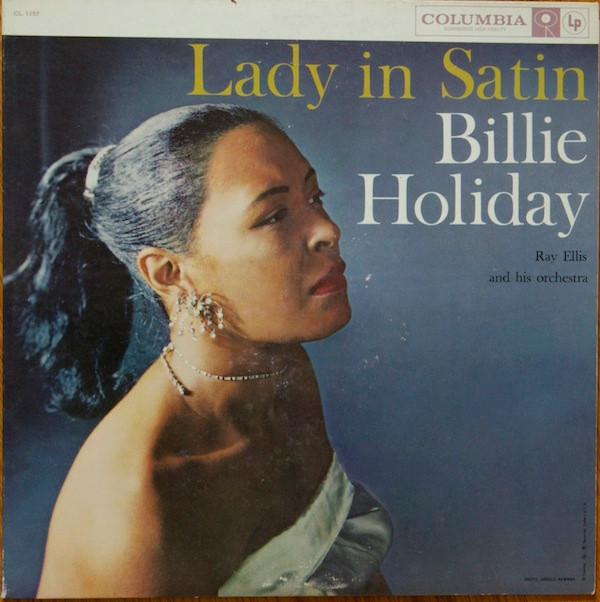
Lady In Satin
1958
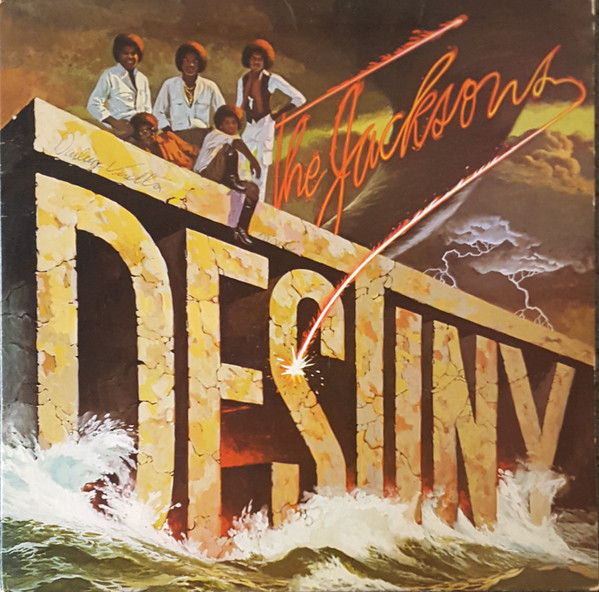
Destiny
1978

Free For All
1965
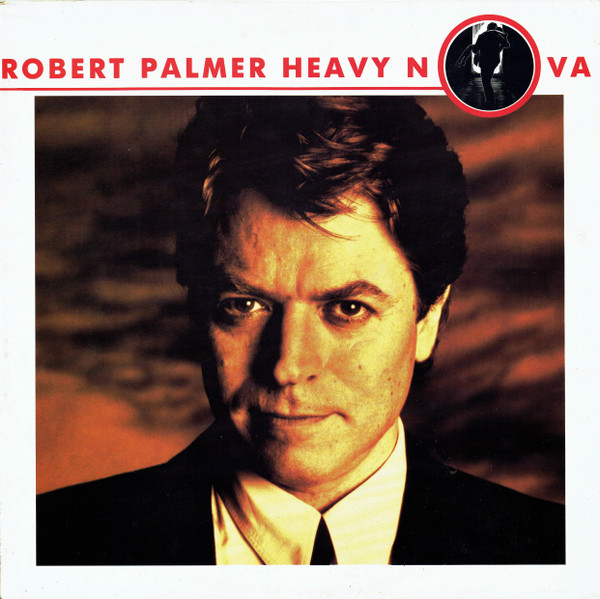
Heavy Nova
1988

Love Symbol
1992
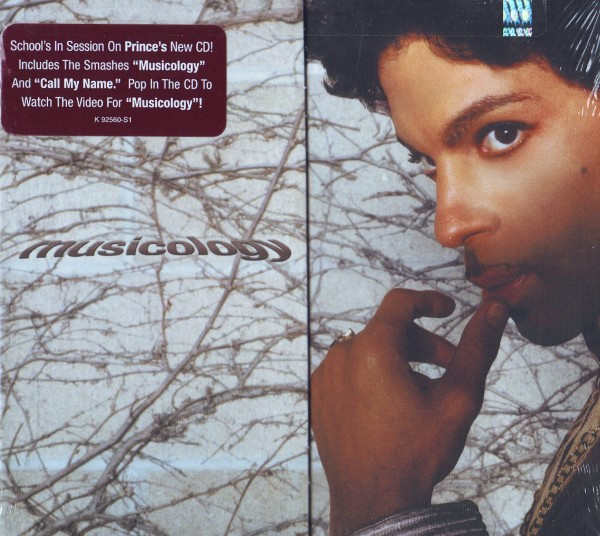
Musicology
2004
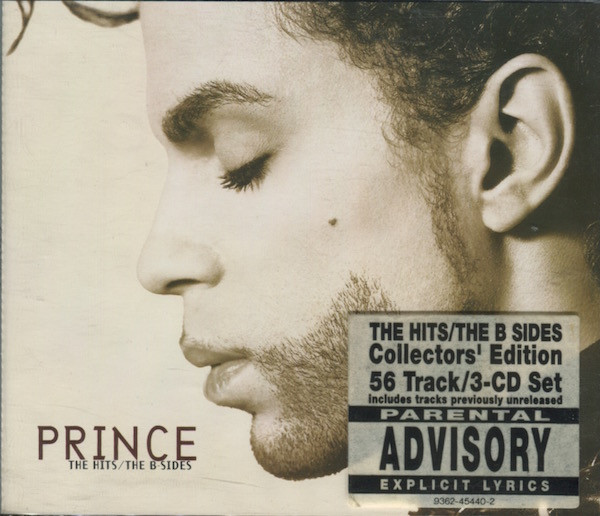
The Hits / The B-Sides
1993
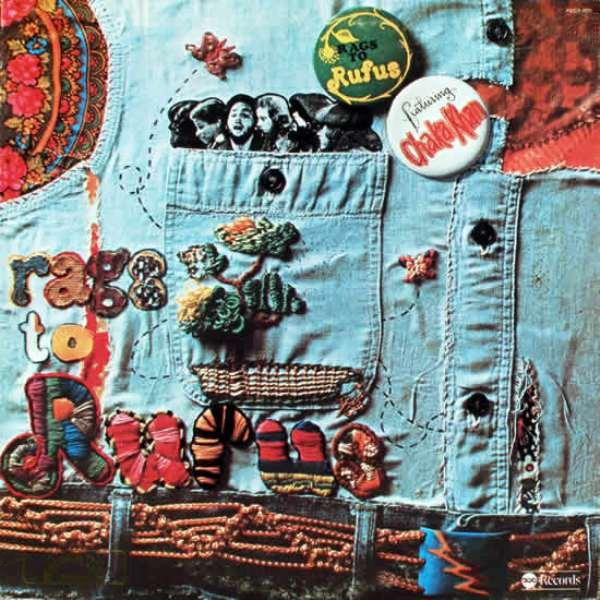
Rags To Rufus
1974
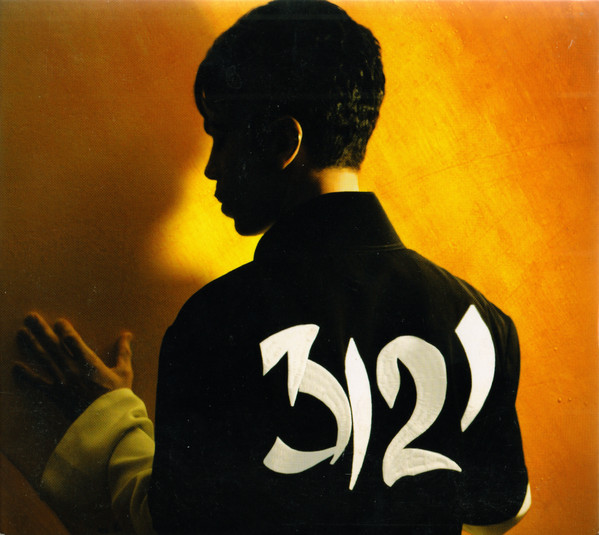
3121
2006

Star Trek: The Motion Picture
1979
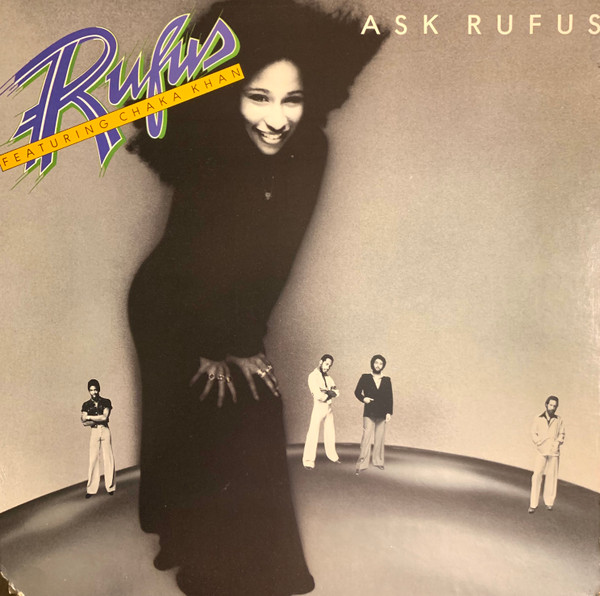
Ask Rufus
1977
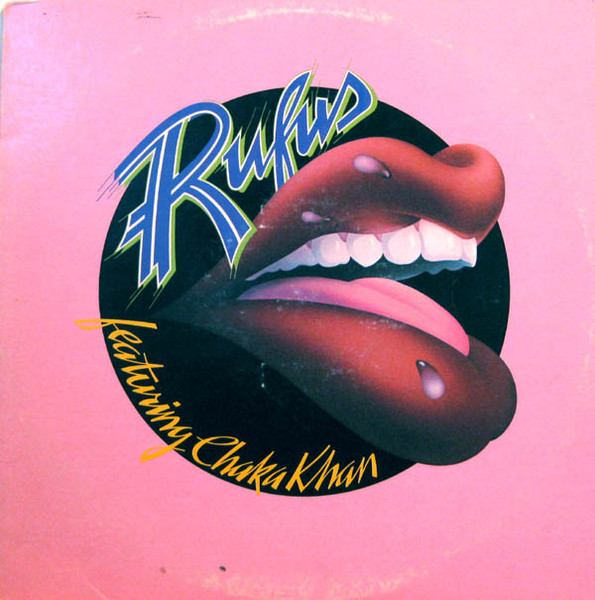
Rufus Featuring Chaka Khan
1975
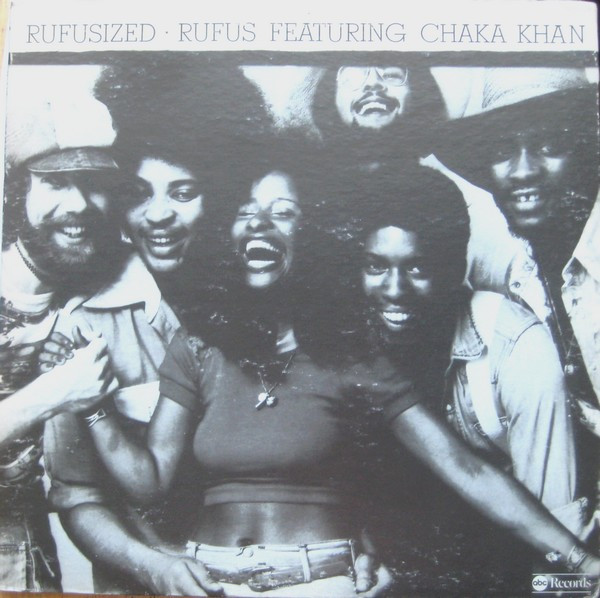
Rufusized
1974

Oneness (Silver Dreams~Golden Reality)
1979
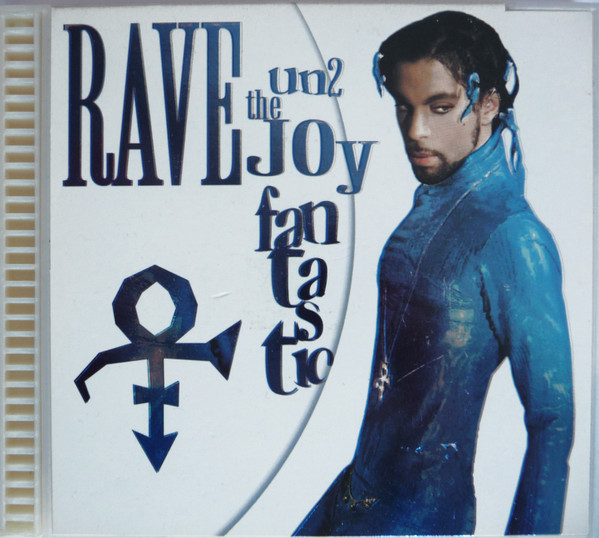
Rave Un2 The Joy Fantastic
1999
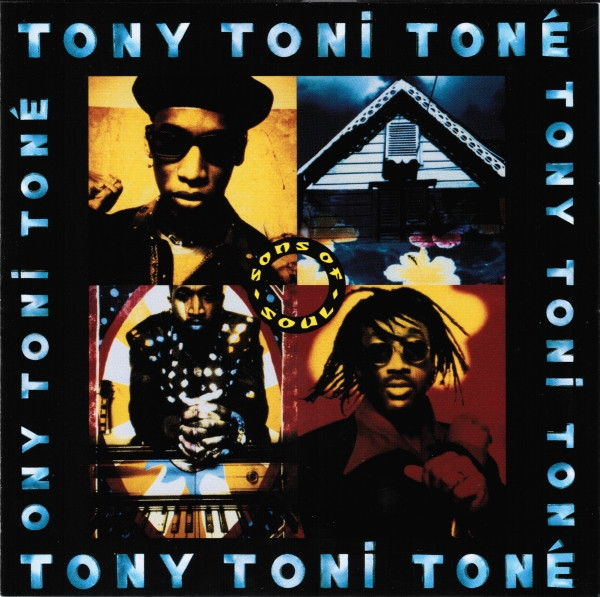
Sons Of Soul
1993
Frequent collaborators
- Various
- Cal Tjader
- Prince
- Rufus Featuring Chaka Khan
- DeBarge
- José José
- Robert Palmer
- Natalie Cole
Around the web
See who really made the music.
Gatefold maps every producer, engineer, and player across your shelf — the credits no one else surfaces.
Start your shelf →Free forever. Works with 10 records or 10,000.