
Mastering · Engineering
David Hancock
real name David B. Hancock
David Hancock is credited on 1,978 releases across 828 albums tracked on Gatefold, active 1950–2021 — the collector-built map of who actually made the music.
1,978
Credits
828
Albums
8
Decades active
120
In collections
Biography
Showing the Discogs bio
American recording, mastering/ lacquer cutting engineer, and pianist (January 24th, 1927 - 2001).
His lacquer cuts can be identified by DH (early cuts) or DBH (boxed) etched into the runouts. His work is usually seen on labels from the northeast U.S. such as ESP Disk, Prestige, Composers Recordings Inc. (CRI), Monitor Records, Folkways Records, Music Minus One, Musical Heritage Society, as well as other local/small labels. He also worked with engineer Peter Bartok.
Early in his career, he used an Ampex 350. In the late 1970s, David was using a Studer A80. During recording, David used RCA 44A (MI3025A and MI3026A) microphones. He also used Cambridge C-3 microphones modified by Charles FIsher. In the studio, a Van Eps lathe was used with an amplifier modified by Dave Sarser.
Runouts contain identifying symbols that can be used to determine a month/year of cutting based on the following:
(Approx 1953-1955)
"DH" with no "T" or accompanying number - O' Lovely Appearance of Death (US 1953) (opens in a new tab), Drums Of The Yoruba Of Nigeria (US) (opens in a new tab)
(Approx. 1955-1960)
T xx - T followed by 1-2 digit number, up to about T78. Numbers are in chronological order, see examples below
(Approx 1960-1966)
2-3 digit number without "T" marking, 73 up to about 152. Numbers are in chronological order, see examples below
Numbering/date examples (assuming release 1-2 months after production, compare with Billboard release dates):
T#2/T#3 - Handful Of Keys (US 1956) (opens in a new tab) (VRS-8511) - 1956
3T - With Voices Together We Sing (US 1956) (opens in a new tab) - "Recorded Fall 1955"
T26 - Sings Ballads And Blues (US 1957) (opens in a new tab) (TLP 1010) - 11-21-57 etch
T42 - (MF 307) - 7-11-58/7-22-58, (MP 530) - 7-18-58, (EKL-154) - 7-17-58
T43 - [r19686619} (MF 308) - 8-9-58 etch
T66 - The Folk Song Tradition (US 1960) (opens in a new tab) (TSP2) - 9-2-59 etch
T67 - At The Gate Of Horn (US 1959) (opens in a new tab) (TLP 1036) - 9-22-59 etch
T69 - TLP 1025, 10-30-59 etch
96 (no "T") - The Real Flamenco (US 1960) (opens in a new tab) (TLP 1008 repress) - 11-30-60 etch
119 (no "T") - Piano Studies 338 (US 1962) (opens in a new tab) (Nyland 338) - 9-7-62 etch, Czech, Slovak And Moravian Folk Songs (US 1963) (opens in a new tab) (MF 389) - 11-30-62 etch
Miscellaneous symbols:
ORIG - David was the both recording and mastering engineer for the release (may appear on one side of the LP if he did not record the entire album). Examples - Symphonic Dances / Vocalise (US 1967) (opens in a new tab). Music For Computers, Electronic Sounds, And Players (US 1974) (opens in a new tab)
AX/BX or AN/BN - new lacquer cut (late 1950s to early 1960s). Example - "Moscow Nights" Popular Russian Hits (US 1962) (opens in a new tab)
ORT1 through ORT5 - Ortofon cutting equipment (1966-1968)
ANM - Capps ANM cutting equipment (1967- mid 1970s)
MP - (1967- mid 1980s)
Bio from Discogs
Credited work
1,978 releases · 828 albums · active 1950–2021
- Mastering · 1,618
- Engineering · 434
- Other credits · 22
- Production · 21
- Performance · 19
Studios: Church Of The Holy Trinity, New York · Judson Hall · RLA Sound Studios · Town Hall, New York
Discography
Records they worked on — most-collected first.
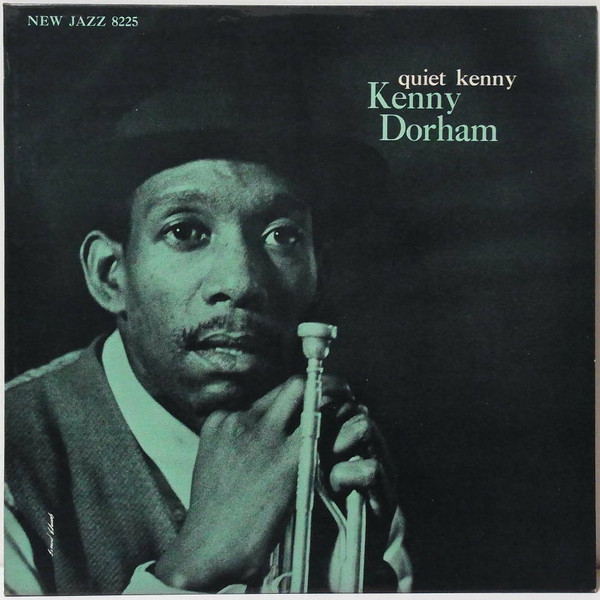
Quiet Kenny
1960

Dig
1956
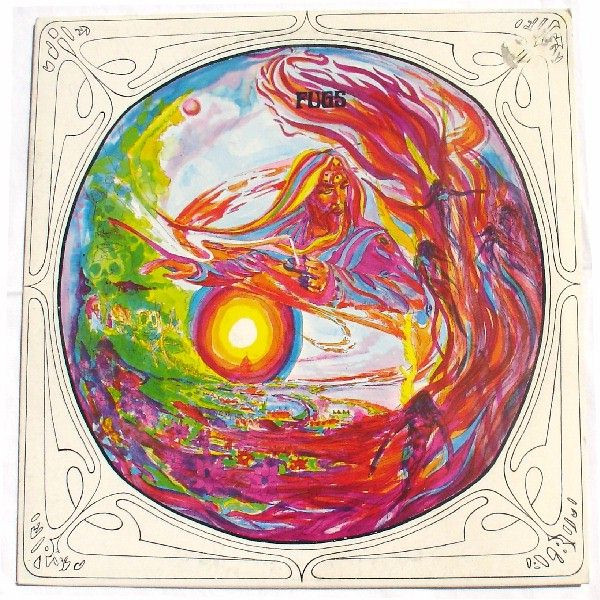
Sing Ballads Of Contemporary Protest, Point Of Views, And General Dissatisfaction
1965
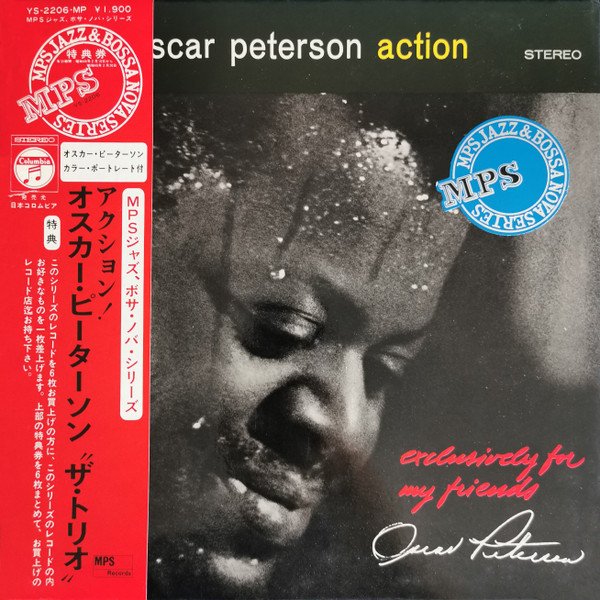
Action
1968
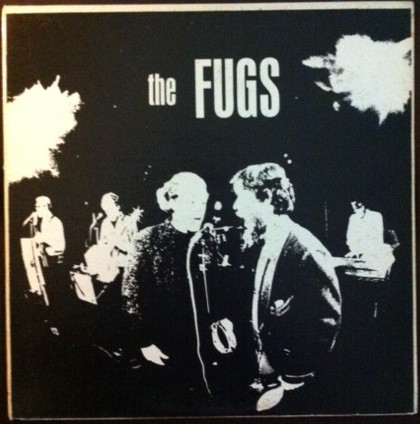
The Fugs
1966
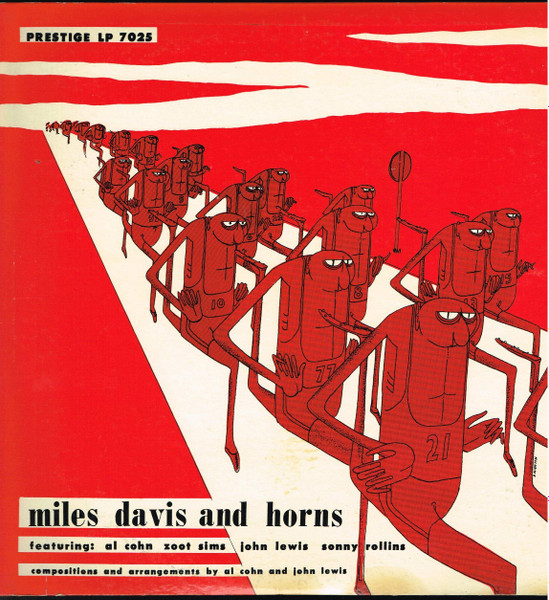
Miles Davis And Horns
1956

The Heliocentric Worlds Of Sun Ra, Volume 2
1966
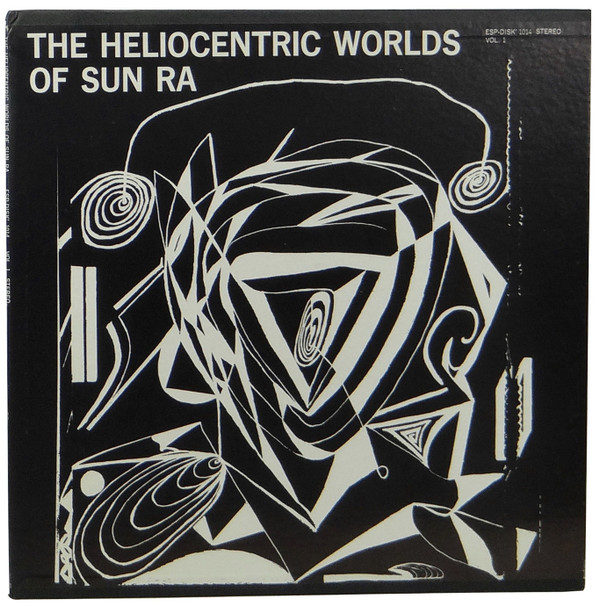
The Heliocentric Worlds Of Sun Ra, Vol. I
1965

Inside
1964

Night Hawk
1961
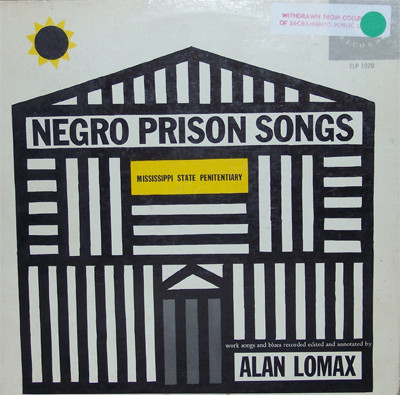
Negro Prison Songs From The Mississippi State Penitentiary
1958
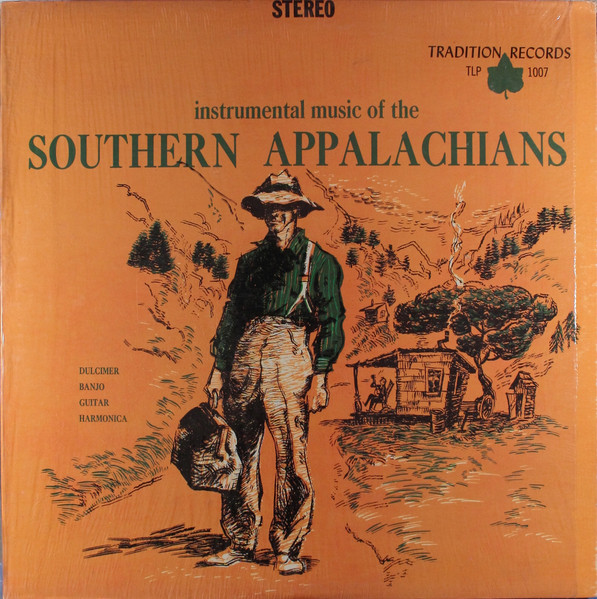
Instrumental Music Of The Southern Appalachians
1957

A Day In Copenhagen
1969

The Tower Of Power!
1969
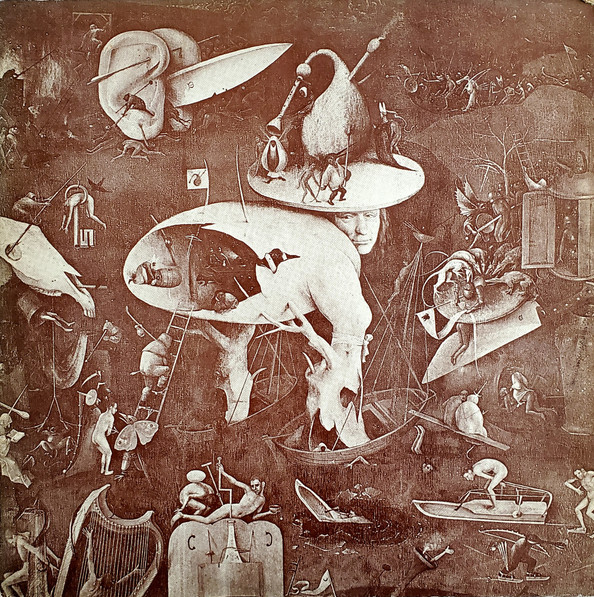
One Nation Underground
1967
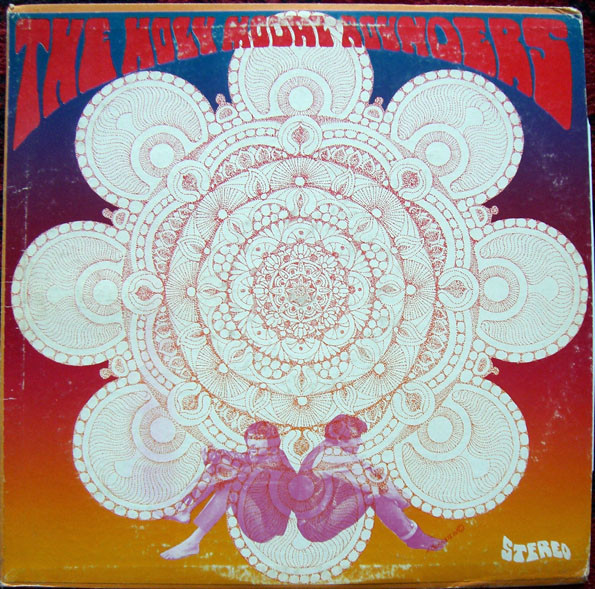
Indian War Whoop
1967

Nothing Is...
1966

The New Scene Of King Curtis
1960

Come Fill Your Glass With Us (Irish Songs Of Drinking And Blackguarding)
1959

Guitar Recital
1958

Josh White Sings The Blues

Concerti, Quartets and Trios in the French and Italian Manner
1981

Big Daddy
1974

Asalto Navideño
1971
Frequent collaborators
- Various
- Pete Seeger
- Gordon Bok
- Mozart
- Unknown Artist
- Johann Sebastian Bach
- Charles Ives
- Illinois Jacquet
Around the web
See who really made the music.
Gatefold maps every producer, engineer, and player across your shelf — the credits no one else surfaces.
Start your shelf →Free forever. Works with 10 records or 10,000.