
Performance · Other credits
Franz Liszt
Hungarian composer, pianist and conductor
Raiding, Austria · 1811-10-22 – 1886-07-31
Franz Liszt is credited on 20,632 releases across 3,809 albums tracked on Gatefold, active 1950–2026 — the collector-built map of who actually made the music.

20,632
Pressings credited
3,809
Albums
8
Decades active
109
In collections
Biography
Franz Liszt (22 October 1811 – 31 July 1886) was a Hungarian composer, virtuoso pianist, conductor and teacher of the Romantic period. With a diverse body of work spanning more than six decades, he is considered to be one of the most prolific and influential composers of his era, and his piano works continue to be widely performed and recorded. Liszt achieved success as a concert pianist from an early age, and received lessons from the esteemed musicians Carl Czerny and Antonio Salieri. He gained further renown for his performances during tours of Europe in the 1830s and 1840s, developing a reputation for technical brilliance as well as physical attractiveness. In a phenomenon dubbed "Lisztomania", he rose to a degree of stardom and popularity among the public not experienced by the virtuosos who had preceded him. During this period and into his later life, Liszt was a friend, musical promoter and benefactor to many composers of his time, including Hector Berlioz, Frédéric Chopin, Robert Schumann, Clara Schumann and Richard Wagner, among others. Liszt was the first to apply the terms "transcription" and "paraphrase" to music, and would perform arrangements of his contemporaries' music to popularise it. Alongside Wagner, Liszt was one of the most prominent representatives of the New German School, a progressive group of composers involved in the "War of the Romantics" who developed ideas of programmatic music and harmonic experimentation. Liszt taught piano performance to hundreds of students throughout his life, many of whom went on to become notable performers. He left behind an extensive and diverse body of work that influenced his forward-looking contemporaries and anticipated 20th-century ideas and trends. Among Liszt's musical contributions were the concept of the symphonic poem, innovations in thematic transformation and Impressionism in music, and the invention of the masterclass as a method of teaching performance. In a radical departure from his earlier com
Bio from Wikipedia
Credited work
20,632 releases · 3,809 albums · active 1950–2026
- Performance · 27,307
- Other credits · 1,734
- Production · 1
Studios: Kingsway Hall · Carnegie Hall · Grand Hall Of The Moscow Conservatoire · Jesus-Christus-Kirche, Berlin
Discography
Records they worked on — most-collected first.
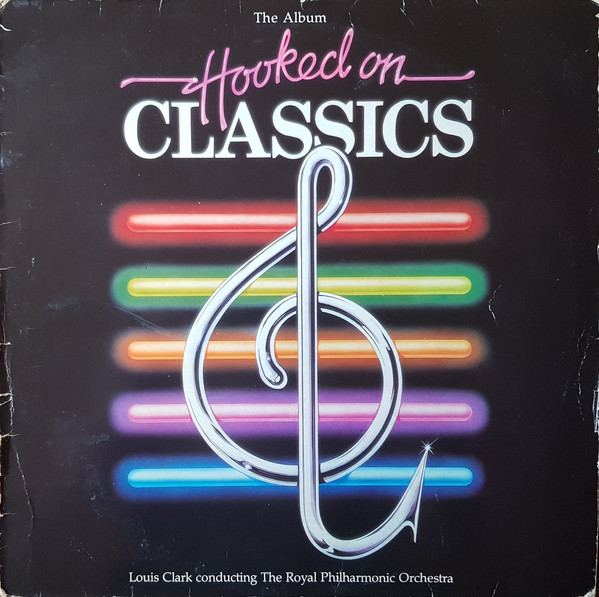
Hooked On Classics
1981
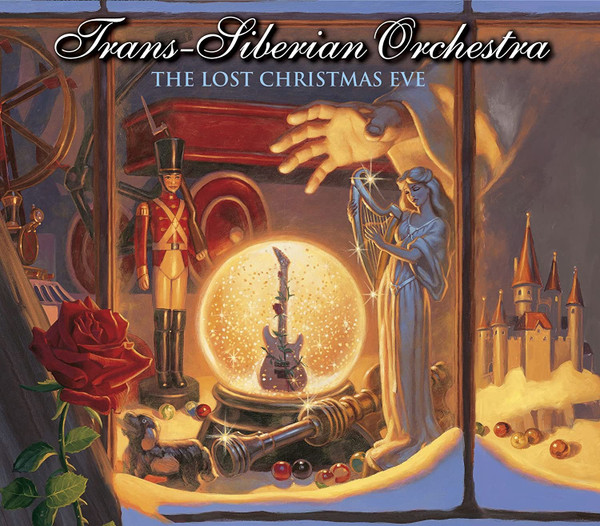
The Lost Christmas Eve
2004
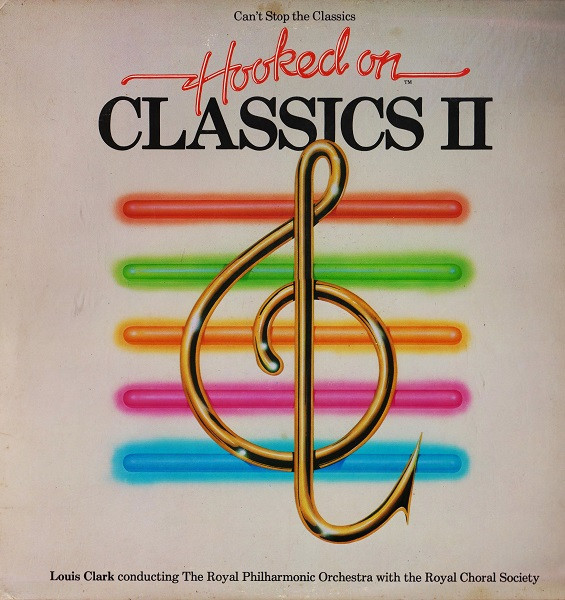
Hooked On Classics 2 - Can't Stop The Classics
1982
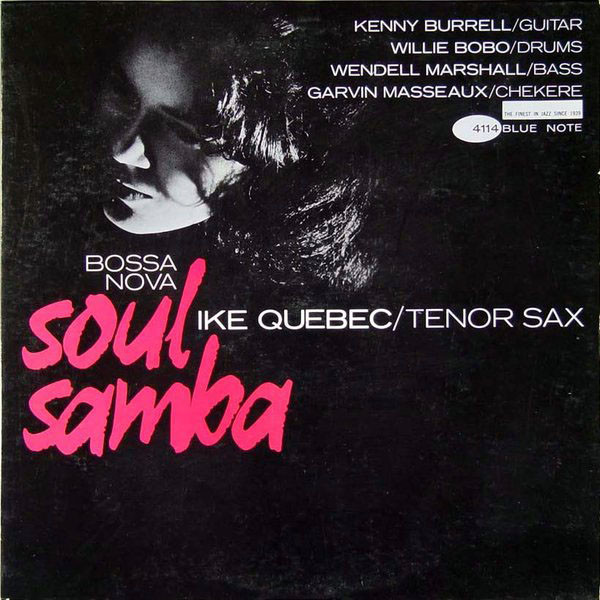
Bossa Nova Soul Samba
1962

The Christmas Attic
1998

Eyes Wide Shut (Music From The Motion Picture)
1999

Who Framed Roger Rabbit (Original Motion Picture Soundtrack)
1988

Horowitz In Moscow
1986

Motherland
2014

Mantovani Plays Gypsy!
1969
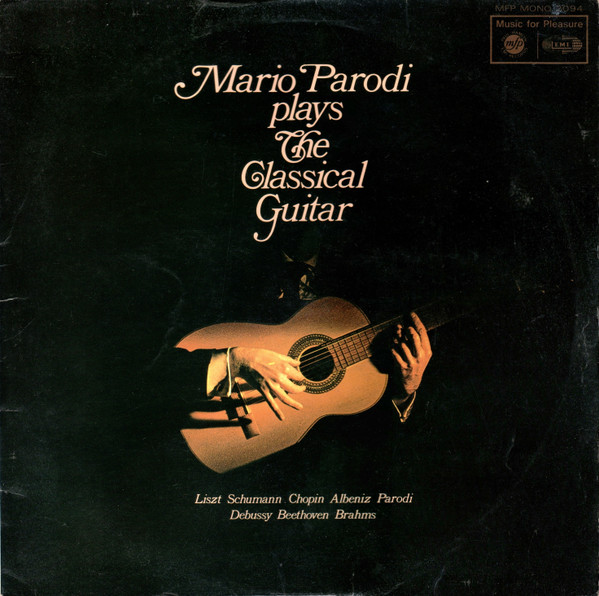
Mario Parodi Plays The Classical Guitar
1965
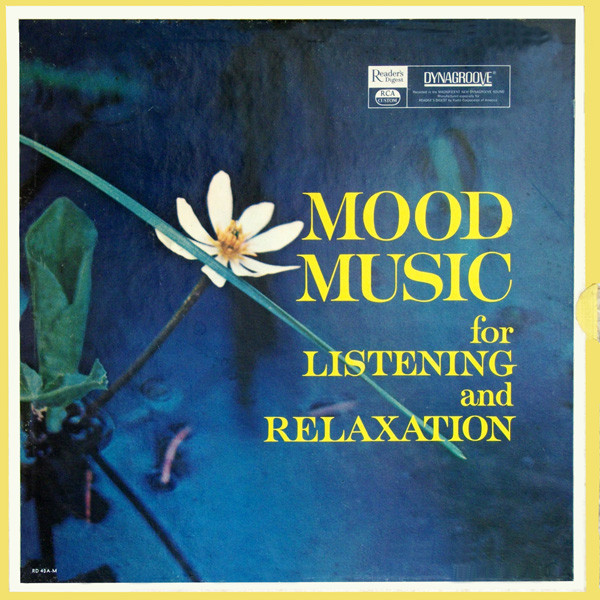
Mood Music For Listening And Relaxation
1963

50 Great Music Treasures
1962

Rhapsodies
1958

The Reiner Sound
1958

Volume 2
1957

Lychgate
2013

The Art Of Glenn Gould
1992

The Magic Of Richard Clayderman
1982
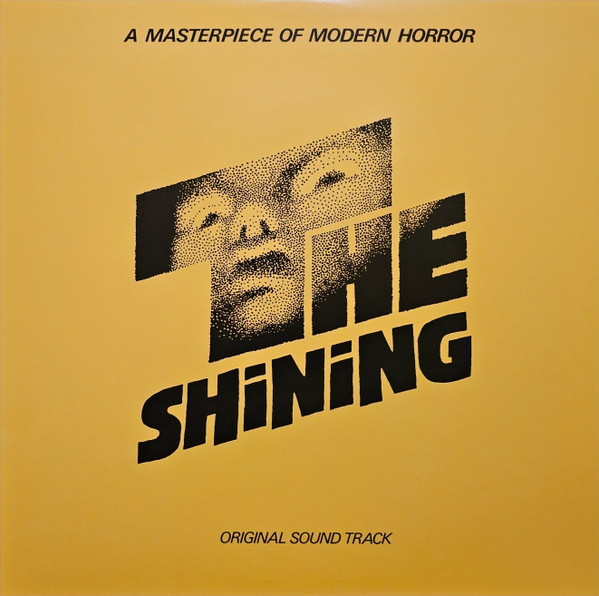
The Shining (Original Sound Track)
1980

Great Moments Of Music Volume 5: Rhapsodies
1980
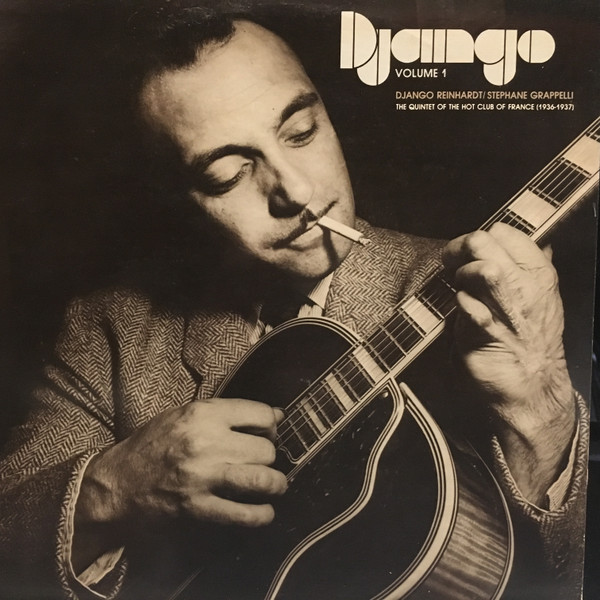
The Quintet Of The Hot Club Of France (1936-1937) Django Volume 1
1980

Träum Was Schönes
1979

Horowitz Encores
1978
Frequent collaborators
- Liszt
- Various
- Beethoven
- Chopin
- Richard Clayderman
- F. Liszt
- Vladimir Horowitz
- Horowitz
Around the web
See who really made the music.
Gatefold maps every producer, engineer, and player across your shelf — the credits no one else surfaces.
Start your shelf →Free forever. Works with 10 records or 10,000.