Performance · Other credits
Friedrich Schiller
real name Johann Christoph Friedrich von Schiller
Friedrich Schiller is credited on 323 albums across 1,294 pressings tracked on Gatefold, active 1950–2025 — the collector-built map of who actually made the music.

1,294
Credits
323
Albums
8
Decades active
44
In collections
Biography
Showing the Discogs bio
German author, dramatist, poet and philosopher, born 10 November 1759 in Marbach am Neckar, Württemberg (today Germany), and died 9 May 1805 in Weimar, Saxe-Weimar (today Germany).
Next to Johann Wolfgang von Goethe, Friedrich Schiller is the most important figure of Weimar Classicism and still today yields eminent influence on art, literature and the theory of drama.
Bio from Discogs
Credited work
1,294 releases · 323 albums · active 1950–2025
- Performance · 1,296
- Other credits · 377
Studios: Jesus-Christus-Kirche, Berlin · Berliner Philharmonie · Großer Saal, Wiener Musikverein · Studio Lankwitz
Discography
Records they worked on — most-collected first.

Chance
1980

9 Symphonien
1963

The Ninth Symphony
1967

9 Symphonien
1977

IX. Symphonie & Symphonie Nr.8
1963

9 Symphonien
1980

Opus; Destroy
1995

Ode An Die Freiheit - Ode To Freedom - Symphonie Nr. 9
1990
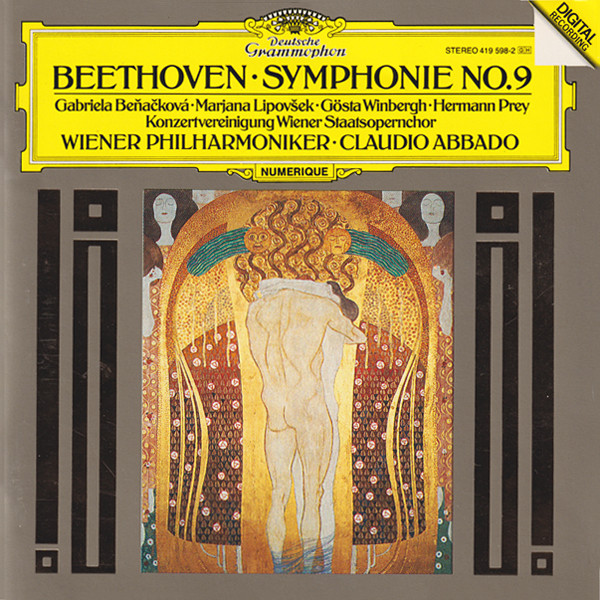
Symphonie No. 9
1987
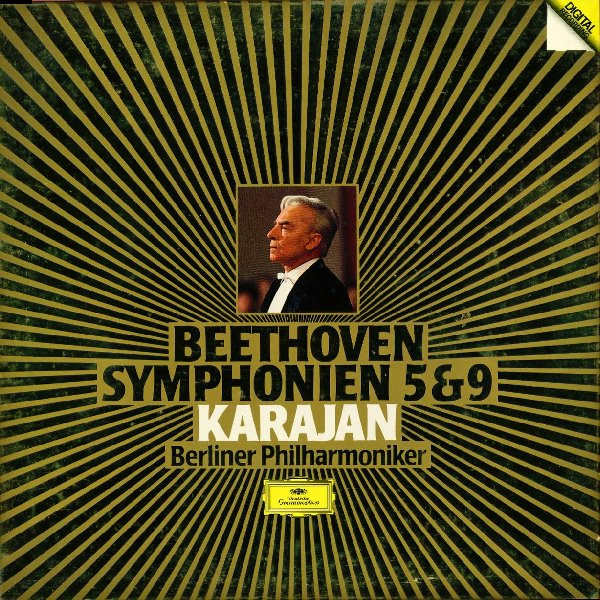
Symphonien 5 & 9
1984

Uns Geht Die Sonne Nicht Unter (Heimat- Und Vaterlandslieder)
1977

9 Symphonies
1972
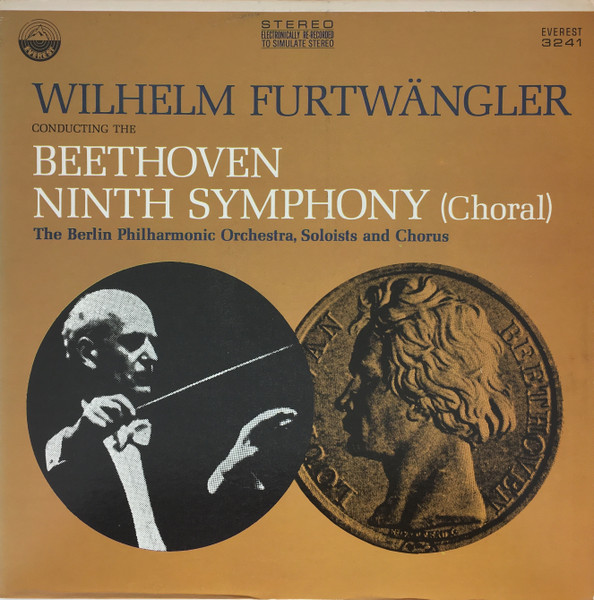
Ninth Symphony (Choral)
1969

Sinfonía Nº 9 En Re Menor Op 125 (Coral)
1967

Symphony No 9 'Choral'
1966
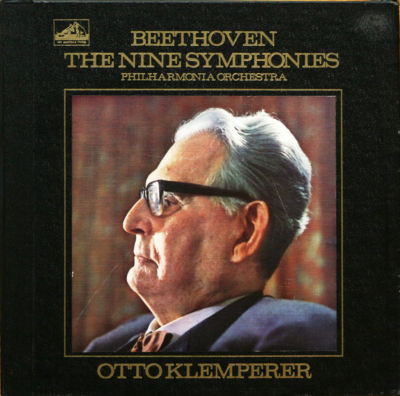
Beethoven Nine Symphonies
1965

Symphonien 5 & 9
1965

Symphonien 8 & 9 (Finale)
1963
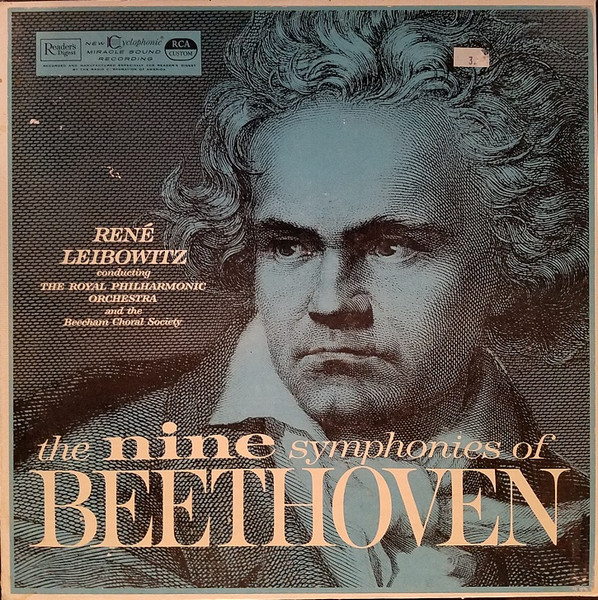
Las 9 Sinfonías De Beethoven
1961

Symphony No. 9 In D Minor ("Choral") · Symphony No. 8 In F Major
1959

Symphonie Nr.9

Symphony No. 9 In D Minor, Op. 125

Zum Reigen Herbei

Beethoven - The Complete Symphonies
Frequent collaborators
- Beethoven
- Various
- Ludwig van Beethoven
- Franz Schubert
- Schubert
- Brahms
- Robert Schumann
- Johannes Brahms
Around the web
See who really made the music.
Gatefold maps every producer, engineer, and player across your shelf — the credits no one else surfaces.
Start your shelf →Free forever. Works with 10 records or 10,000.