
Other credits · Performance
Louis Jordan and His Tympany Five
United States • 1939-02-01 – 1951-11-28
Louis Jordan and His Tympany Five is credited on 65 releases across 20 albums tracked on Gatefold, active 1954–2024 — the collector-built map of who actually made the music.

65
Pressings credited
20
Albums
8
Decades active
24
In collections
Biography
Tympany Five was a famous, successful, and influential American rhythm and blues and jazz dance band founded by Louis Jordan in 1938. The group was composed of a horn section of three to five different pieces and also drums, double bass, guitar and piano. Louis Jordan and His Tympany Five created many of the most influential songs of the early R&B and rock and roll era, including "Let The Good Times Roll", "Keep A-Knockin'", and "Caldonia". Carl Hogan's opening guitar riff to "Ain't That Just Like A Woman" later became one of rock's most recognizable riffs in Chuck Berry's "Johnny B. Goode". Jordan first formed the band as The Elks Rendezvous Band, named after the Elks Rendezvous jazz joint in Harlem. The original lineup of the sextet was Jordan (saxes, vocals), Courtney Williams (trumpet), Lem Johnson (tenor sax), Clarence Johnson (piano), Charlie Drayton (bass) and Walter Martin (drums). The various lineups of the Tympany Five (which often featured two or three extra players) included Bill Jennings and Carl Hogan on guitar, renowned pianist-arrangers Wild Bill Davis and Bill Doggett, Shadow Wilson and Chris Columbus on drums and Dallas Bartley on bass. Jordan played alto, tenor and baritone saxophone and sang the lead vocal on most numbers. The band found fame after opening for The Mills Brothers at the Capitol Lounge in Chicago in 1941. In 1941, they were transferred from Decca's race label to its Sepia Series, featuring artists thought to have the crossover potential to appeal to both black and white audiences. Jordan was always proud of the fact that the Tympany Five's music was just as popular with white as it was with black people. The Rock and Roll Hall of Fame states that two of the most important originators of rhythm and blues were Joe Turner and Louis Jordan, with his Tympany Five. The two artists helped to lay "the foundation for R&B in the 1940s, cutting one swinging rhythm & blues masterpiece after another". The Hall also describes Jordan as "the Fath
Bio from Wikipedia
Credited work
65 releases · 20 albums · active 1954–2024
- Other credits · 47
- Performance · 31
Studios: Columbia Recording Studios · Radio Recorders · United Recorders · Capitol Studios
Discography
Records they worked on — most-collected first.

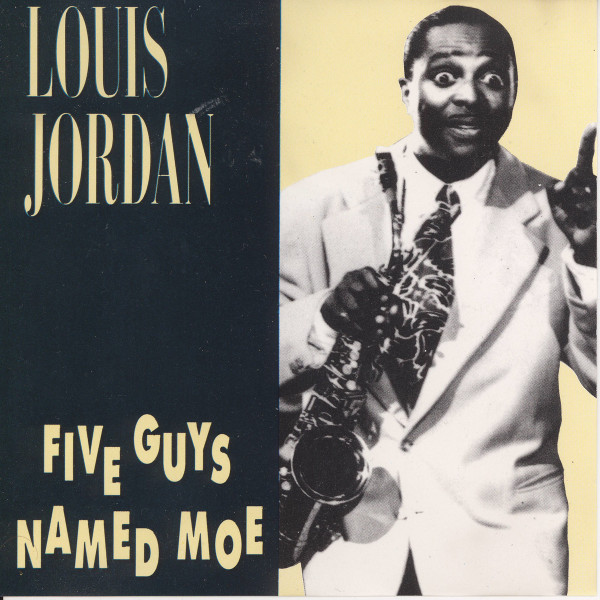
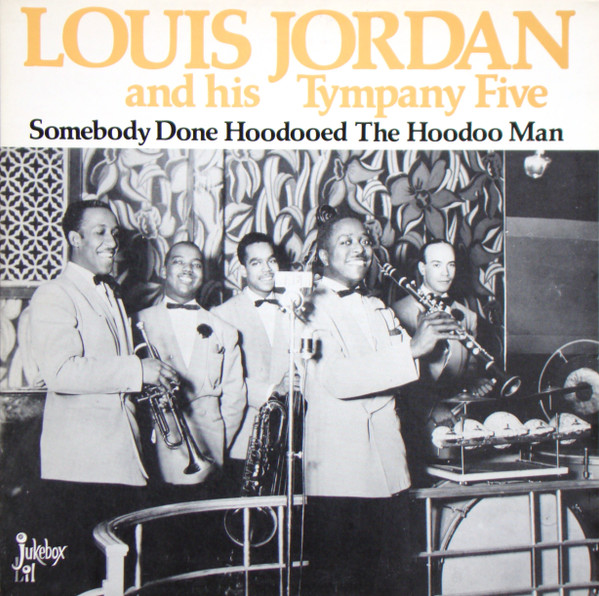
Frequent collaborators
- Ella Fitzgerald
- Louis Jordan
- Sister Rosetta Tharpe
- Various
- Louis Armstrong
- "Louis ""Satchmo"" Armstrong"
Around the web
See who really made the music.
Gatefold maps every producer, engineer, and player across your shelf — the credits no one else surfaces.
Start your shelf →Free forever. Works with 10 records or 10,000.