
Performance · Other credits
Ludwig van Beethoven
German composer
Germany · 1770-12-17 – 1827-03-26
Ludwig van Beethoven is credited on 70,276 releases across 10,822 albums tracked on Gatefold, active 1950–2026 — the collector-built map of who actually made the music.

70,276
Pressings credited
10,822
Albums
8
Decades active
1,044
In collections
Biography
Ludwig van Beethoven (baptised 17 December 1770 – 26 March 1827) was a German composer, conductor, and pianist. Regarded as one of the greatest composers in the history of Western music, he was mentored during the Classical period, and his musical style was a key driver of the transition to Romantic music, and the expansion of instrumental forms such as the symphony, the piano sonata and the string quartet. His compositions have attracted extraordinary casual and scholarly interest, and remain among the most performed in the world. Born in Bonn, Beethoven was a musical prodigy. He was initially taught intensively by his father, Johann van Beethoven, and later by Christian Gottlob Neefe. He found relief from a dysfunctional home life with the family of Helene von Breuning, whose children he loved, befriended, and taught piano. At age 21, he moved to Vienna, which subsequently became his base, and studied composition with Joseph Haydn. Beethoven gained a reputation as a virtuoso pianist, and was soon patronized by Karl Alois, Prince Lichnowsky for compositions, which resulted in his three Piano Trios, Op. 1, (the earliest works to which he accorded an opus number) in 1795. His Pathétique Sonata was composed in 1798. Around this time, Beethoven began experiencing symptoms of hearing loss. His career is divided into three periods. In the first, he composed in the classical style of Haydn and Wolfgang Amadeus Mozart. Beethoven's First Symphony premiered in 1800, and his first set of string quartets was published in 1801. The Moonlight Sonata, dedicated to his pupil Julie Guicciardi, is one of his most popular works. In the middle period (1802–1812), he developed a distinctive style. His Third (Eroica) and Fifth Symphonies premiered in 1805 and 1808, respectively. The former was unprecedented in scale and scope. His opera, Fidelio, premiered in 1805, and was later revised. His Violin Concerto appeared in 1806. His Razumovsky quartets were published in 1808. Other middle w
Bio from Wikipedia
Credited work
70,276 releases · 10,822 albums · active 1950–2026
- Performance · 80,783
- Other credits · 2,396
Studios: Abbey Road Studios · Kingsway Hall · Jesus-Christus-Kirche, Berlin · Berliner Philharmonie
Discography
Records they worked on — most-collected first.
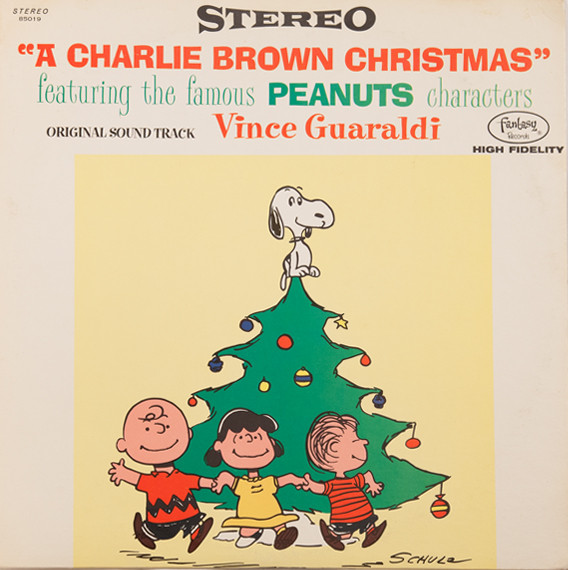
A Charlie Brown Christmas
1965

Saturday Night Fever (The Original Movie Sound Track)
1977
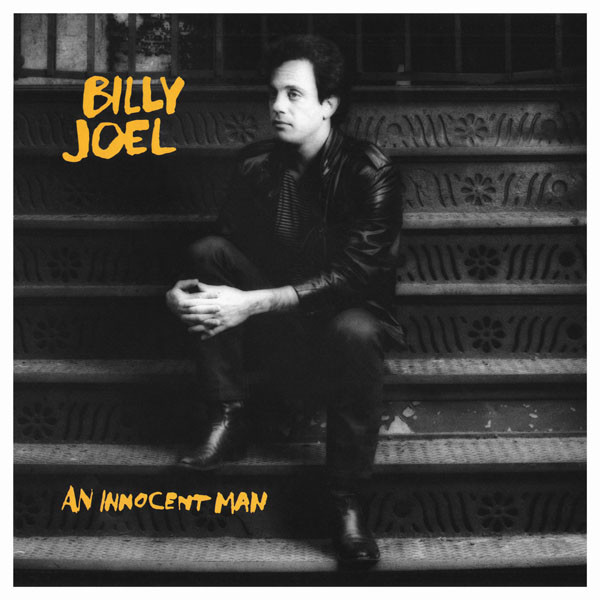
An Innocent Man
1983

The Fragile
1999
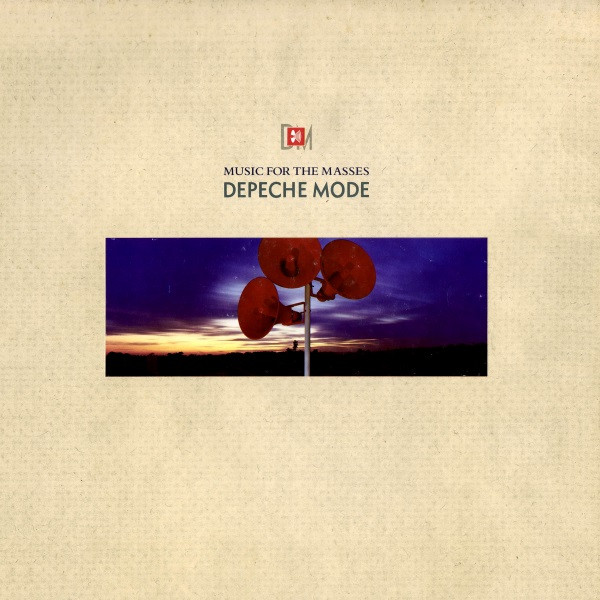
Music For The Masses
1987

Dangerous
1991
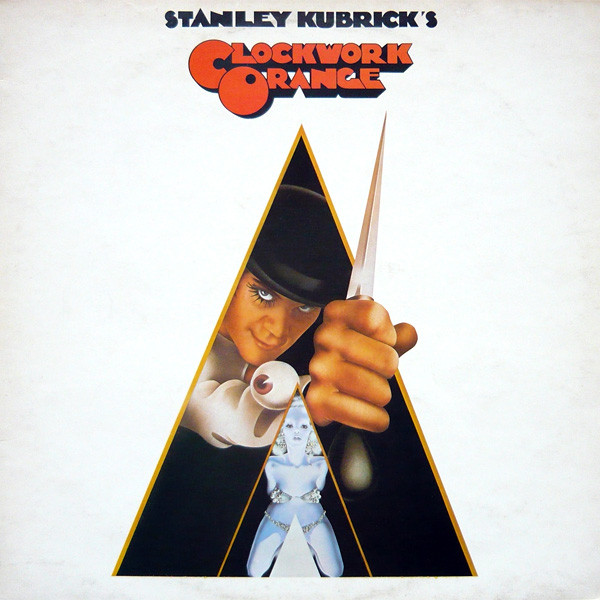
Stanley Kubrick's A Clockwork Orange (Music From The Soundtrack)
1971
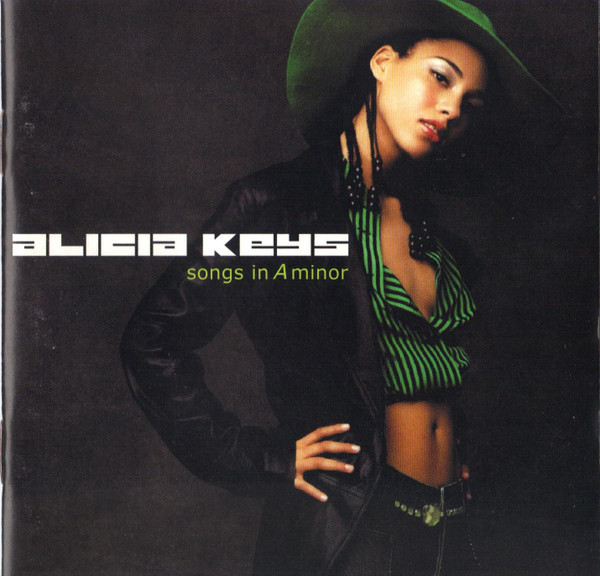
Songs In A Minor
2001
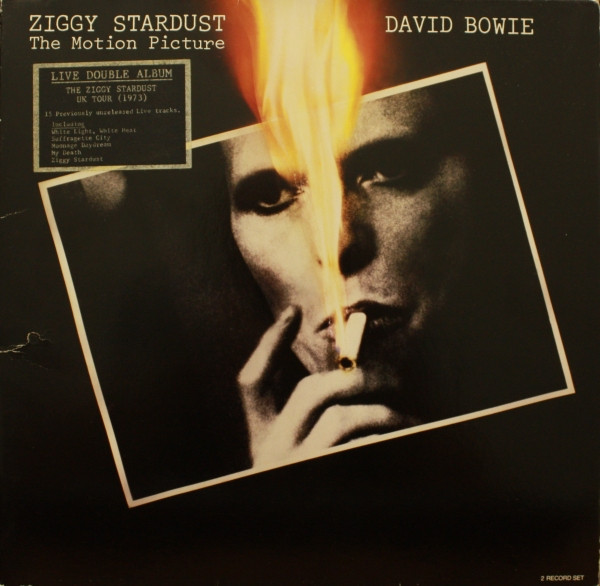
Ziggy Stardust - The Motion Picture
1983
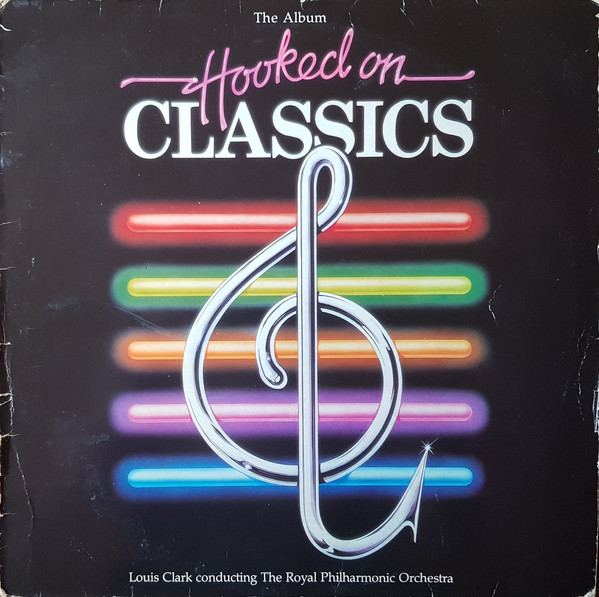
Hooked On Classics
1981
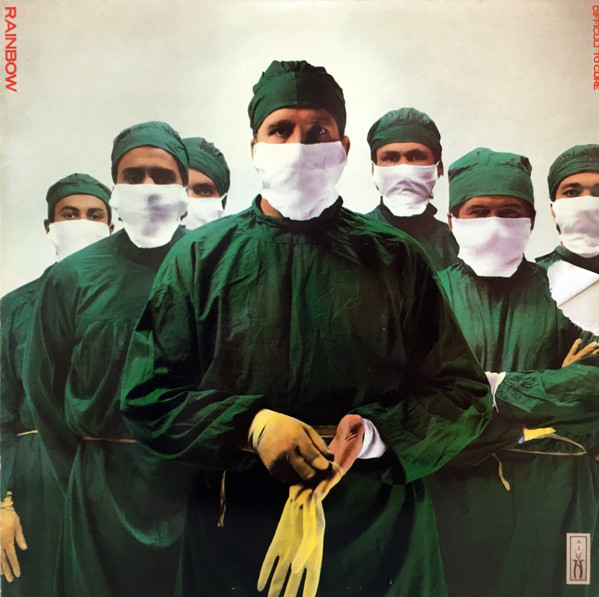
Difficult To Cure
1981
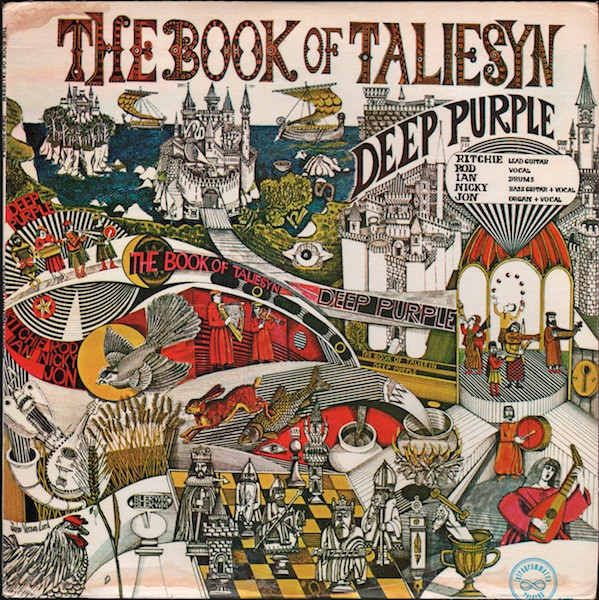
The Book Of Taliesyn
1968
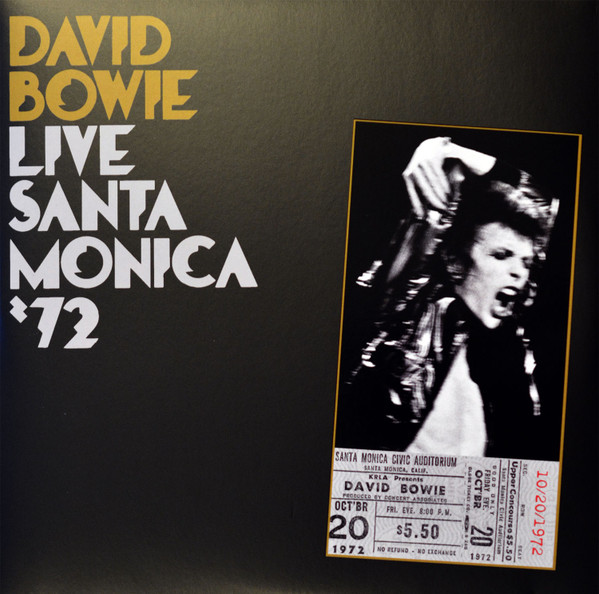
Live Santa Monica '72
2008
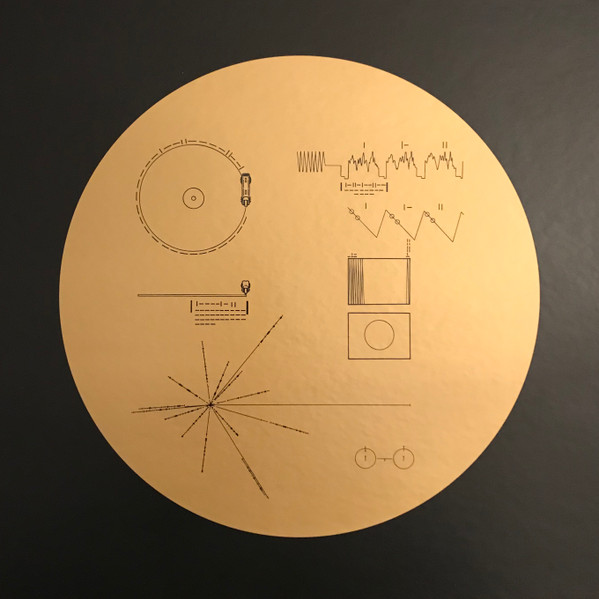
The Sounds Of Earth
1977
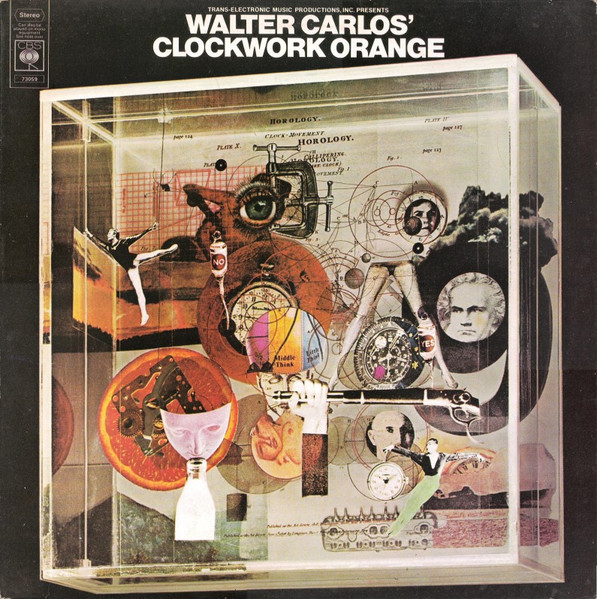
Walter Carlos' Clockwork Orange
1972

Walt Disney's Fantasia
1957
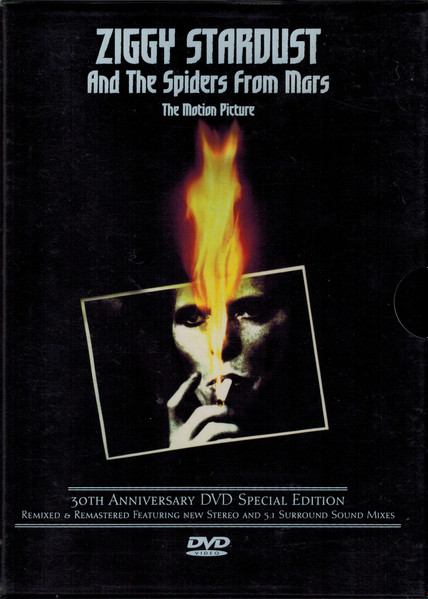
Ziggy Stardust And The Spiders From Mars (The Motion Picture)
1984
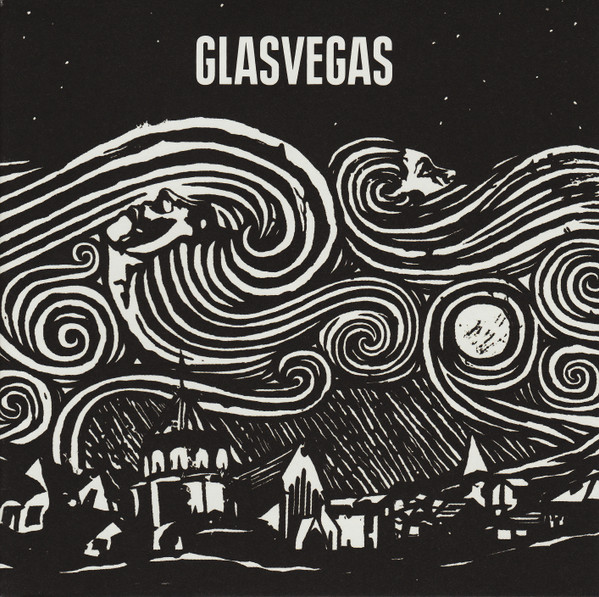
Glasvegas
2008
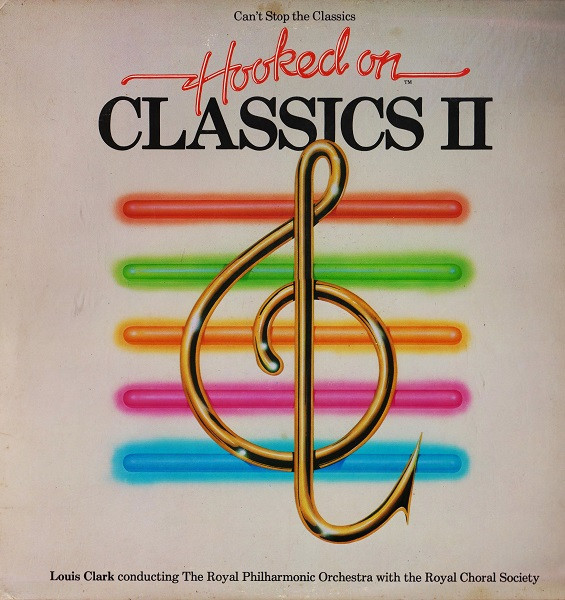
Hooked On Classics 2 - Can't Stop The Classics
1982

Fifth Symphony
![[Five Years 1969 - 1973], credited to Ludwig van Beethoven](https://i.discogs.com/xX1kfGAswvg0FqQCY8LsL-4PsR7G-FD4B4wiRNsveWs/rs:fit/g:sm/q:90/h:600/w:600/czM6Ly9kaXNjb2dz/LWRhdGFiYXNlLWlt/YWdlcy9SLTc1MjE1/MjAtMTQ0MzQzNTE2/NS0yOTcxLmpwZWc.jpeg)
[Five Years 1969 - 1973]
2015
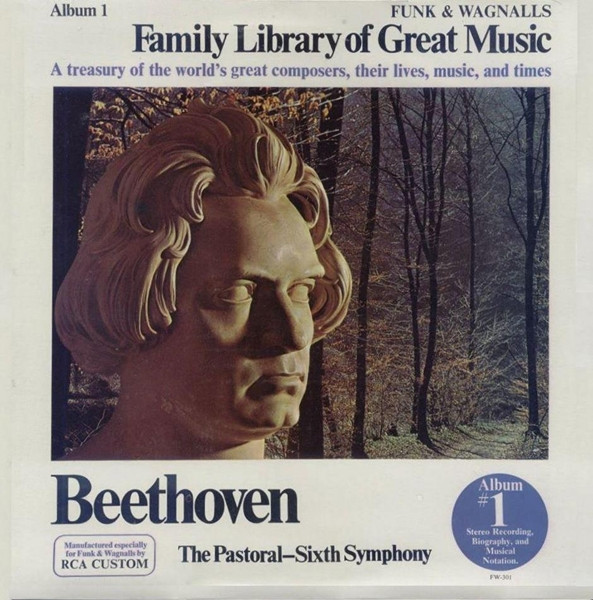
The Pastoral - Sixth Symphony
1976
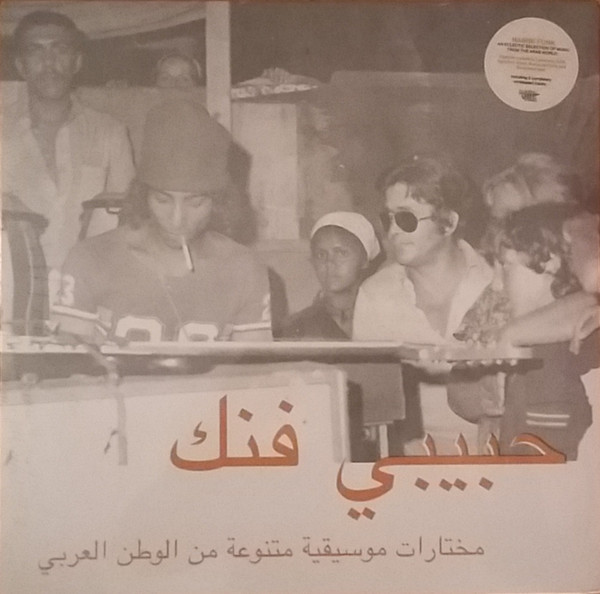
حبيبي فنك مختارات موسيقية متنوعة من الوطن العربي = Habibi Funk: An Eclectic Selection Of Music From The Arab World
2017

The Darjeeling Limited (Original Soundtrack)
2007
Frequent collaborators
- Beethoven
- Various
- Mozart
- Unknown Artist
- Richard Clayderman
- Schubert
- James Last
- Wilhelm Backhaus
Around the web
See who really made the music.
Gatefold maps every producer, engineer, and player across your shelf — the credits no one else surfaces.
Start your shelf →Free forever. Works with 10 records or 10,000.