
Performance · Other credits
Pablo Sorozábal
Pablo Sorozábal is credited on 606 releases across 99 albums tracked on Gatefold, active 1955–2024 — the collector-built map of who actually made the music.

606
Pressings credited
99
Albums
8
Decades active
8
In collections
Biography
Pablo Sorozábal Mariezcurrena (18 September 1897 – 26 December 1988) was a Spanish composer of zarzuelas, operas, symphonic works, and the popular romanza, "No puede ser". He was born in San Sebastián, in a working-class family. Trained in San Sebastián, Madrid and Leipzig; then in Berlin, where he preferred Friedrich Koch as composition teacher to Arnold Schoenberg, whose theories he disliked. It was in Germany that he made his conducting debut, and the rostrum remained at the centre of his working life. His Leipzig concert works include the choral Suite vasca (1923); Dos apuntes Vascos (1925) and Symphonic Variations on a Basque Theme (1927); of later works the funeral march Gernika for chorus and orchestra (1966) is outstanding. The Siete Lieder, 1929 settings of Heinrich Heine for mezzo-soprano and orchestra, are perhaps the finest works he produced in Germany. Two short but powerful compositions for chorus and orchestra, Maite (‘Our Lady’, from the 1946 film Jai-Alai) and ¡Ay, tierra vasca! (1956) retain their place in the hearts of his Basque countrymen. Katiuska (1931) was his stage debut, and the twenty or so zarzuelas which followed combine lyric fire and inimitable orchestration with an unfailing sense of theatre. Best-loved are his classic madrileño comedy La del manojo de rosas (1934) and the “nautical romance” set on the Atlantic Coast La tabernera del puerto of 1936. The latter includes the romanza "No puede ser", made internationally popular when sung in the Three Tenors concerts by Plácido Domingo. His one-act verismo opera Adiós a la bohemia (from a short story by Pío Baroja) also retains its popularity in Spain. Sorozábal's liberal sympathies left him somewhat isolated after the Spanish Civil War, and many of his later zarzuelas were first seen outside the capital or in less prestigious Madrid theatres. They include the ambitious, allegorical romance Black, el payaso (1942) and the ski-sports musical Don Manolito (1943), both of which starred popu
Bio from Wikipedia
Credited work
606 releases · 99 albums · active 1955–2024
- Performance · 657
- Other credits · 144
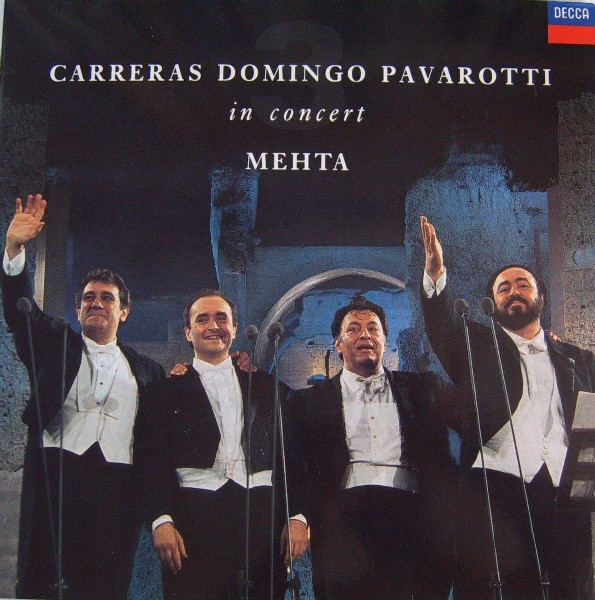
Studios: Terme Di Caracalla · Teatro Albéniz · Estudios Eolo · Columbia Akasaka Studios
Discography
Records they worked on — most-collected first.
Frequent collaborators
- Various
- Alfredo Kraus
- Sorozabal
- Luis Mariano
- Placido Domingo
- Rolando Villazón
- Coro Maitea
- F. Romero
Around the web
See who really made the music.
Gatefold maps every producer, engineer, and player across your shelf — the credits no one else surfaces.
Start your shelf →Free forever. Works with 10 records or 10,000.