Performance · Other credits
Paul Clayton
real name Paul Clayton Worthington
Paul Clayton is credited on 169 albums across 809 pressings tracked on Gatefold, active 1956–2023 — the collector-built map of who actually made the music.
809
Credits
169
Albums
8
Decades active
107
In collections
Biography
Showing the Discogs bio
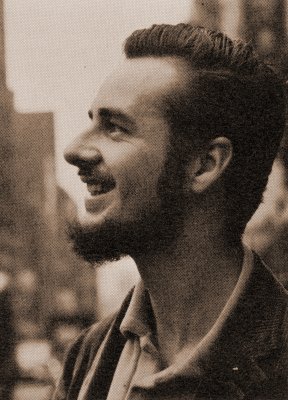
Paul Clayton (born March 3, 1931 in New Bedford, Massachusetts, USA, died March 30, 1967 in New York City, New York, USA) was an American singer, guitarist, dulcimer player, author and folk music collector.
Bio from Discogs
Credited work
809 releases · 169 albums · active 1956–2023
- Performance · 828
- Other credits · 11
- Engineering · 9
- Production · 3
Studios: RCA Studios, New York · P.J.'s · Western Recorders · Columbia Recording Studios
Discography
Records they worked on — most-collected first.
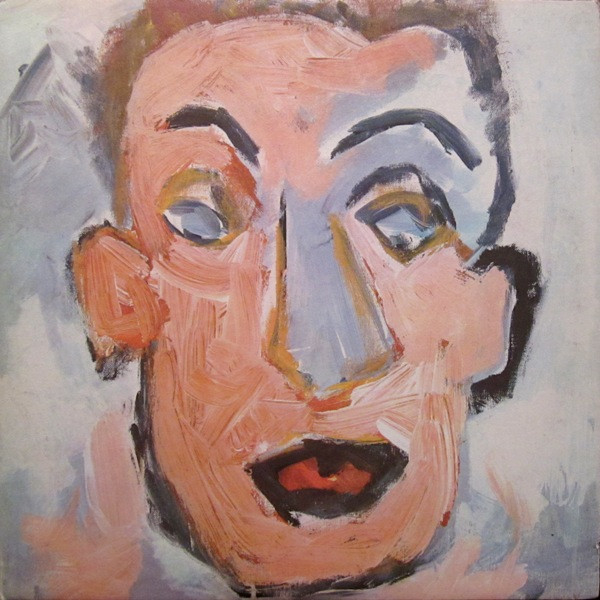
Self Portrait
1970
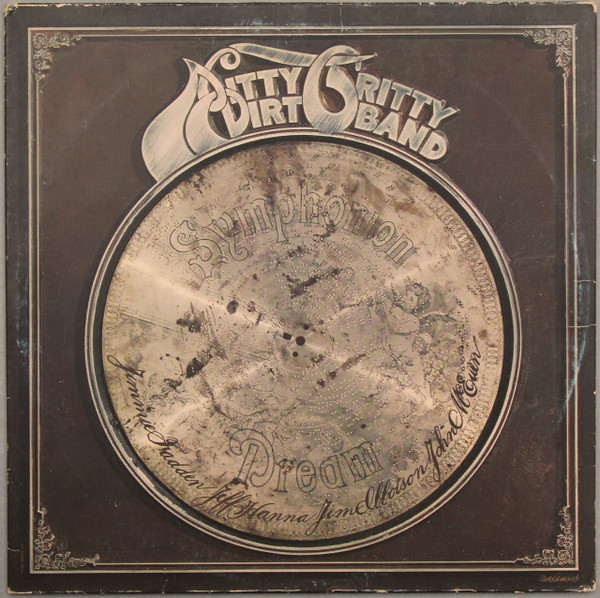
Dream
1975

Live At The Hamilton 11/09/2016
2017
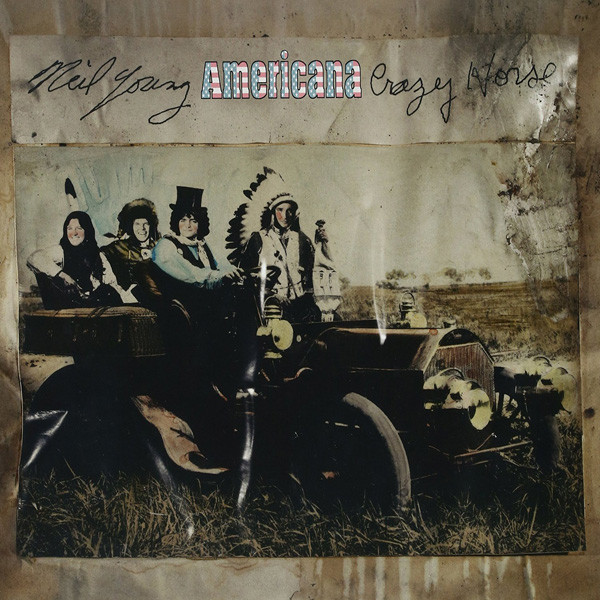
Americana
2012
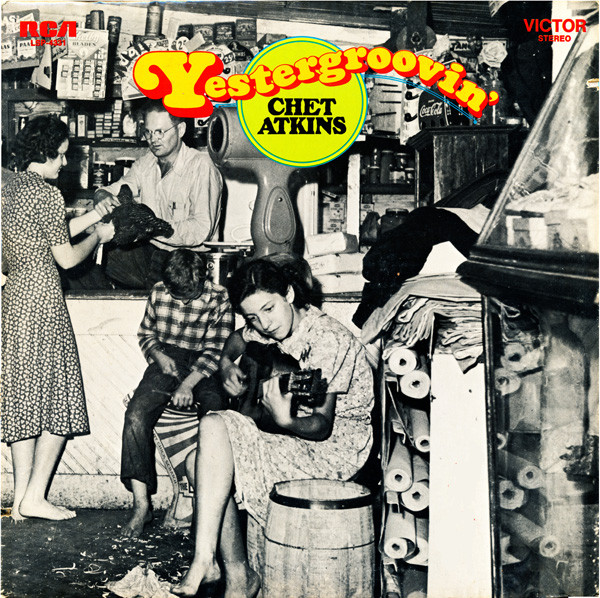
Yestergroovin'
1970

The Midnight Special
1962
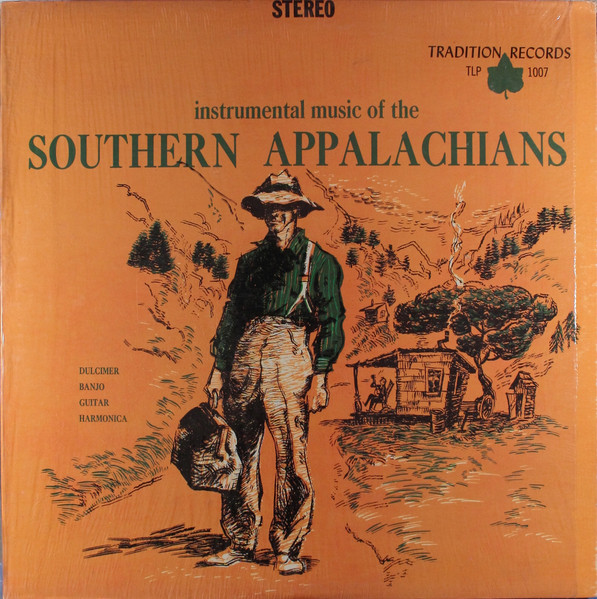
Instrumental Music Of The Southern Appalachians
1957

Nick - Bob - John
1964

Big Bad John And Other Fabulous Songs And Tales
1961
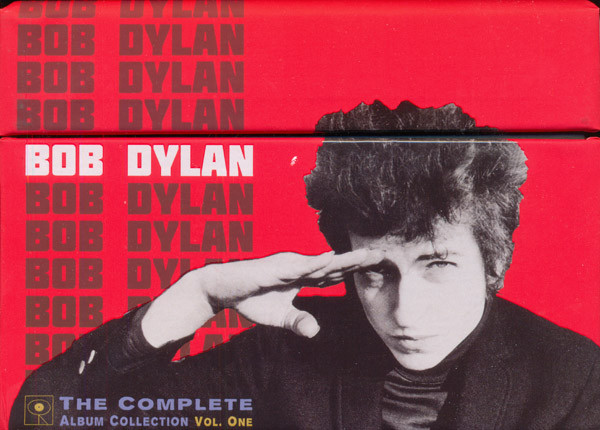
The Complete Album Collection Vol. One
2013

Popular Hits From Nashville
1972

Together
1969

Big Spender
1966

Make The World Go Away
1963

Young Blood
1995

Alone At Montreux
1972

Live
1969

Thanks For All The Miles
1968
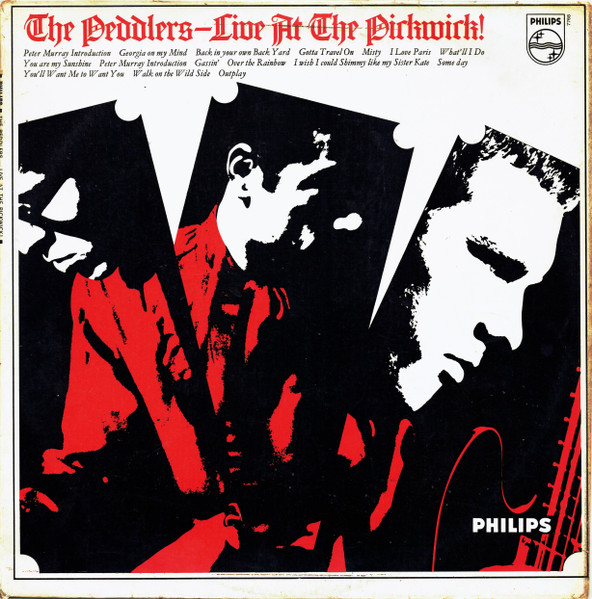
Live At The Pickwick!
1967

The Weavers' Songbag
1967

Della Reese Live
1966

Boots Randolph Plays More Yakety Sax
1965
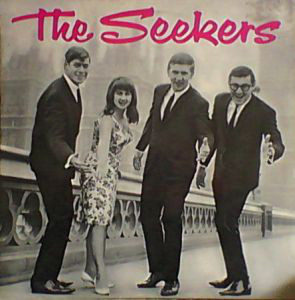
The Seekers
1964

Trini Lopez At PJ's
1963
Frequent collaborators
Around the web
See who really made the music.
Gatefold maps every producer, engineer, and player across your shelf — the credits no one else surfaces.
Start your shelf →Free forever. Works with 10 records or 10,000.