
Performance · Other credits
Paul Dresser
Paul Dresser is credited on 460 releases across 125 albums tracked on Gatefold, active 1950–2024 — the collector-built map of who actually made the music.

460
Pressings credited
125
Albums
8
Decades active
20
In collections
Biography
Paul Dresser (born Johann Paul Dreiser Jr.; April 22, 1857 – January 30, 1906) was an American singer, songwriter, and comedic actor of the late nineteenth and early twentieth centuries. Dresser performed in traveling minstrel and medicine-wagon shows and as a vaudeville entertainer for decades, before transitioning to music publishing later in life. His biggest hit, "On the Banks of the Wabash, Far Away" (1897), was the best selling song of its time. Although Dresser had no formal training in music composition, he wrote ballads that had wide appeal, including some of the most popular songs of the era. During a career that spanned nearly two decades, from 1886 to 1906, Dresser composed and published more than 150 songs. Following the success of "Wabash", many newspapers compared Dresser to popular composer Stephen Foster. "On the Banks of the Wabash, Far Away" became the official song of Indiana in 1913. The Paul Dresser Birthplace in Terre Haute is designated as a state shrine and memorial. Dresser was inducted into the Songwriters Hall of Fame in 1970. Dresser grew up in a large family (including his brother, novelist Theodore Dreiser) and lived in Sullivan and Terre Haute, Indiana. He had a troubled childhood and spent time in jail. Dresser left home at age sixteen to join a traveling minstrel act and performed in several regional theaters before joining John Hamlin's Wizard Oil traveling medicine-wagon show in 1878. Dresser composed his first songs while working for Hamlin. He settled in Evansville, Indiana, for several years while continuing to work as a traveling performer and musician. Eventually, he became a nationally known talent and participated in several traveling acts, including The Two Johns, A Tin Soldier, and The Danger Signal. Dresser's songwriting talent developed during his years as a performer; he began by writing songs featured in his shows and later wrote and sold songs to others' acts. Dresser moved to New York City, and in 1893 Dresser join
Bio from Wikipedia
Credited work
460 releases · 125 albums · active 1950–2024
- Performance · 463
- Other credits · 14
Studios: Project Records, Inc. · Marcus Music · Soundtrack Studios, Helsinki · RCA Studio A
Discography
Records they worked on — most-collected first.

Burl Ives' Greatest Hits!
1967

Party Sing Along With Mitch
1959

Join Bing & Sing Along
1960
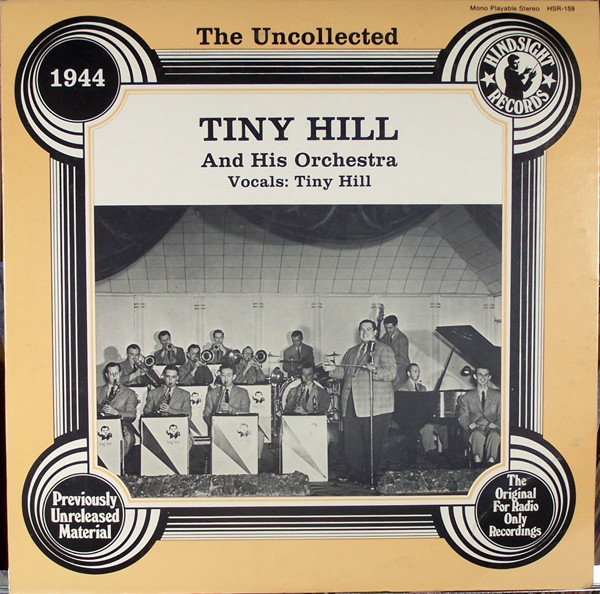
The Uncollected Tiny Hill, 1944
1980

The Guitar Genius Of Dick McDonough & Carl Kress In The Thirties
1976

Live 1937-38
1973
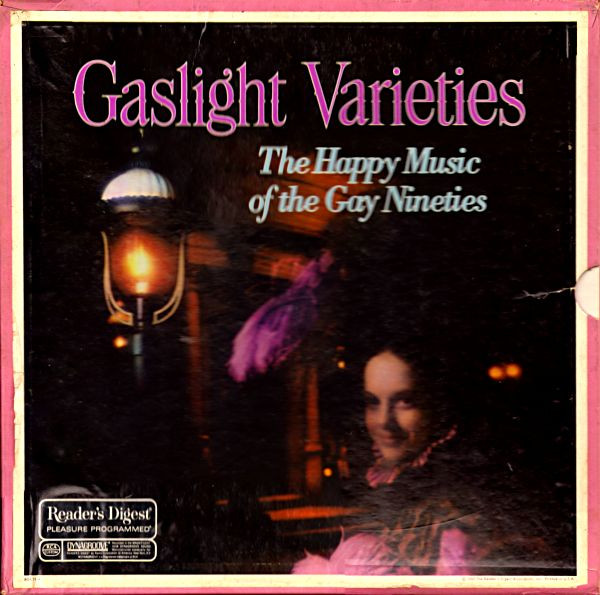
Gaslight Varieties, The Happy Music Of The Gay Nineties
1969
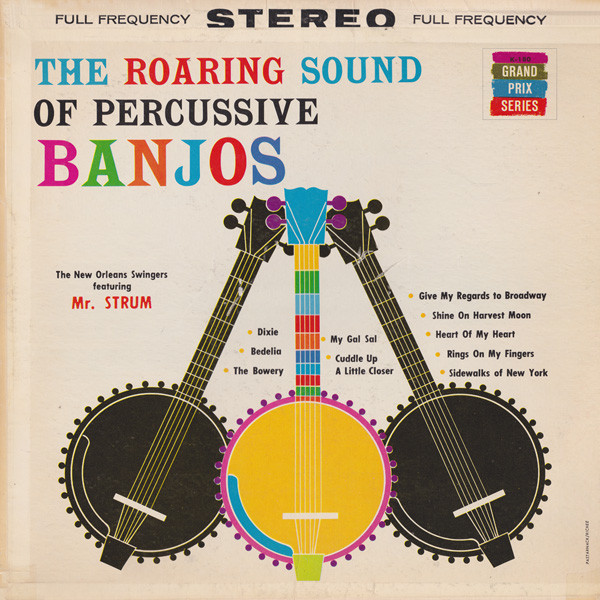
The Roaring Sound Of Percussive Banjos
1965

Songs Of Early Times
1961

The World's Greatest Entertainer
1959

Rags To Riches
1959

Dixieland Now And Then
1956

1937-38 Jazz Concert No. 2
1952

1937/38 Jazz Concert No. 2 Vol. 2
1950

Ted Weems' Golden Hits
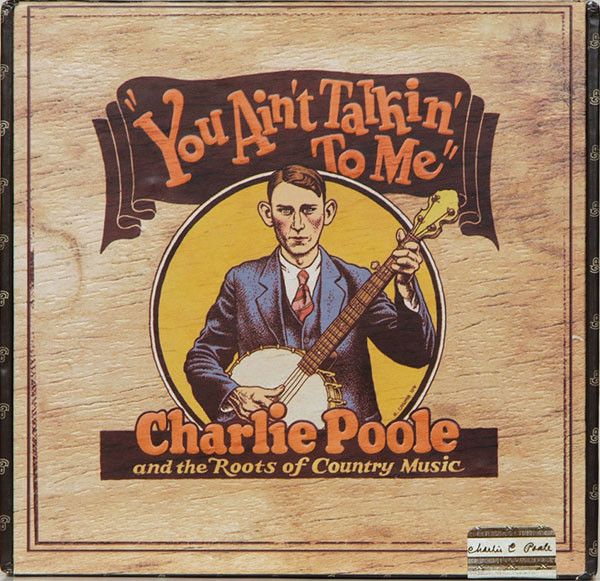
You Ain't Talkin' To Me: Charlie Poole And The Roots Of Country Music
2005

Champagne Dance Party
1978

A Study In Frustration (The Fletcher Henderson Story)
1961
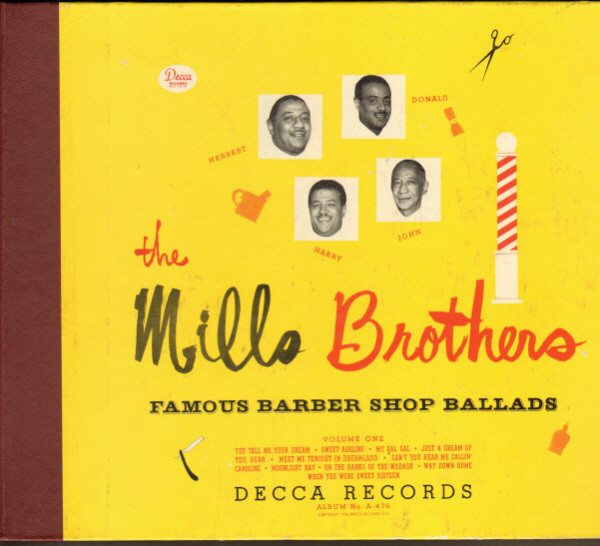
Famous Barber Shop Ballads, Volume One
1946
Frequent collaborators
- Various
- The Mills Brothers
- Burl Ives
- Benny Goodman And His Orchestra
- Eddie Peabody
- Jussi Björling
- Ingmar Nordström
- Al Jolson
Around the web
See who really made the music.
Gatefold maps every producer, engineer, and player across your shelf — the credits no one else surfaces.
Start your shelf →Free forever. Works with 10 records or 10,000.