
Performance · Other credits
Sergei Prokofiev
Ukraine
Sergei Prokofiev is credited on 12,840 releases across 2,355 albums tracked on Gatefold, active 1950–2026 — the collector-built map of who actually made the music.

12,840
Credits
2,355
Albums
8
Decades active
356
In collections
Biography
Showing the Discogs bio
A Russian and Soviet composer, pianist, conductor, and music writer, he is considered a representative of modernism.
Born: April 23, 1891 (Sontsovka, Ekaterinoslav Province, Russian Empire) At present Sontsivka, Ukraine,
Died: March 05, 1953 (Moscow, USSR) At present Moscow, Russian Federation.
He mastered numerous musical genres and came to be admired as one of the greatest composers of the 20th century.
Alternative transliterations of his name include Sergey, Sergej or Serge, and Prokofief, Prokofieff or Prokofiew.
Bio from Discogs
Credited work
12,840 releases · 2,355 albums · active 1950–2026
- Performance · 15,195
- Other credits · 284
Studios: Kingsway Hall · Grand Hall Of The Moscow Conservatoire · Abbey Road Studios · Berliner Philharmonie
Discography
Records they worked on — most-collected first.
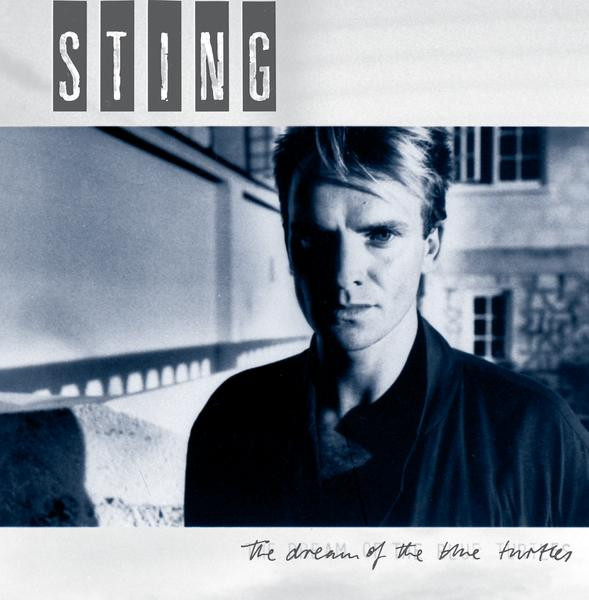
The Dream Of The Blue Turtles
1985
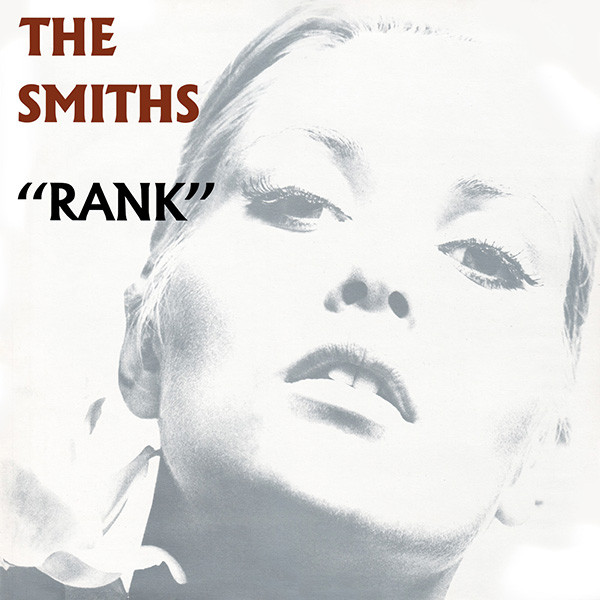
Rank
1988

S&M2
2020
Works (Volume 1)
1977

Blood, Sweat & Tears 3
1970
Works (Volume 2)
1977

Fields Of Gold: The Best Of Sting 1984 - 1994
1994

The Best Of Emerson Lake & Palmer
1980

HAARP
2008
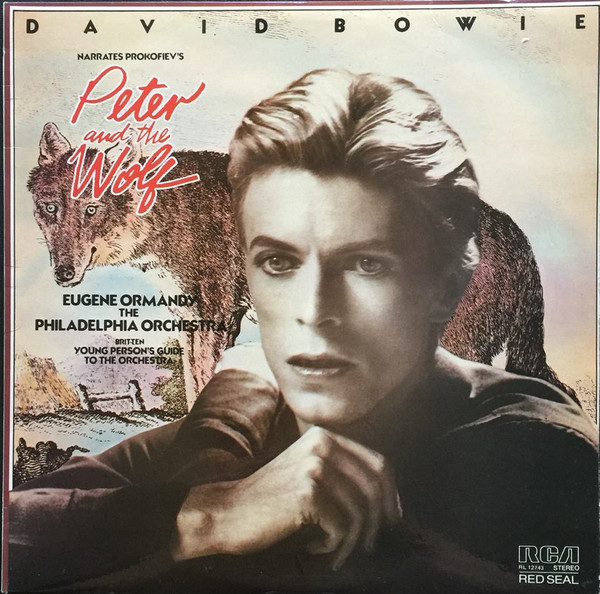
Peter And The Wolf / Young Person's Guide To The Orchestra
1978
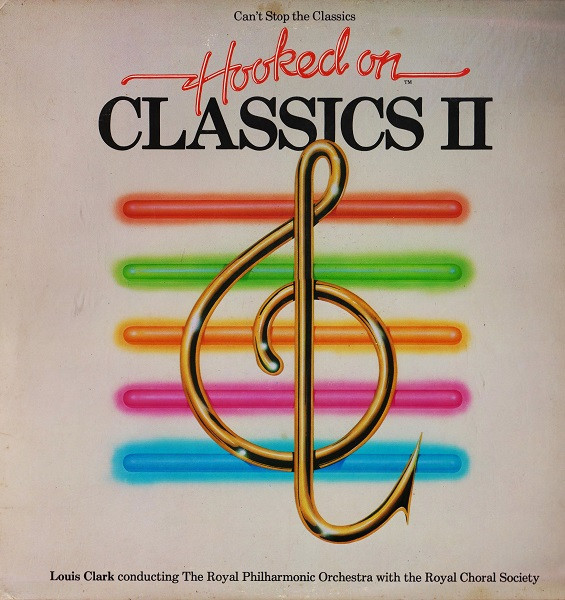
Hooked On Classics 2 - Can't Stop The Classics
1982
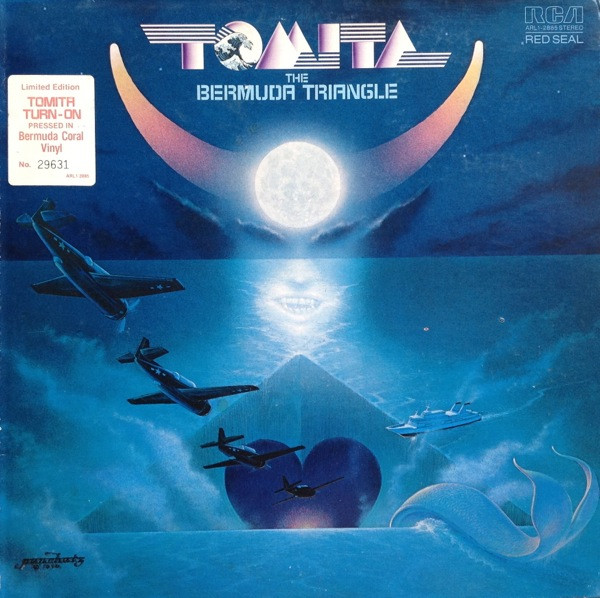
The Bermuda Triangle
1978

The Very Best Of... Sting & The Police
1997

Now That's What I Call Christmas
2022

Peter And The Wolf / The Sorcerer's Apprentice (From Walt Disney's "Fantasia") /
1960

Children Of The Night
1981

In Concert
1979

Feelin' Groovy
1967

Isle Of Dogs (Original Soundtrack)
2018

Russians
1985
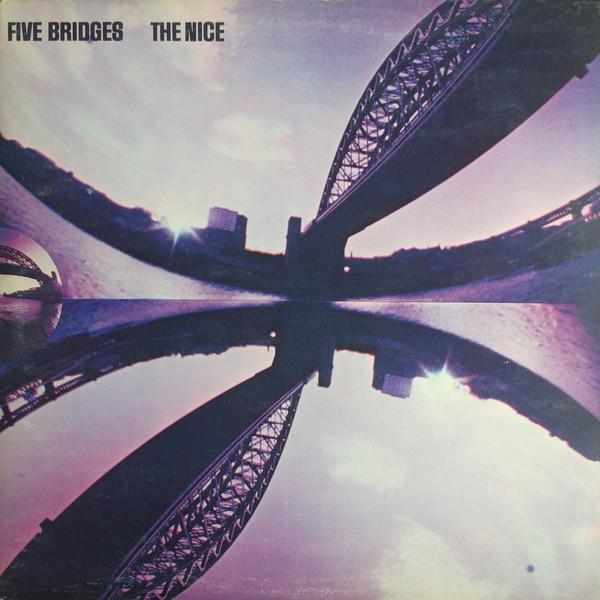
Five Bridges
1970

Live From Beyond Hell / Above Heaven
2011

Secrets In A Weird World
1989

Peter & The Wolf / Carnival Of The Animals - Part II
1988
Frequent collaborators
- Prokofiev
- Various
- Prokofieff
- Serge Prokofiev
- S. Prokofiev
- Serge Prokofieff
- Tchaikovsky
- Sviatoslav Richter
Around the web
See who really made the music.
Gatefold maps every producer, engineer, and player across your shelf — the credits no one else surfaces.
Start your shelf →Free forever. Works with 10 records or 10,000.