Performance · Other credits
Udo Lindenberg
real name Udo Gerhard Lindenberg
Gronau, Germany · b. 1946-05-17
Udo Lindenberg is credited on 1,027 releases across 328 albums tracked on Gatefold, active 1965–2026 — the collector-built map of who actually made the music.

1,027
Credits
328
Albums
7
Decades active
63
In collections
Biography
Showing the Discogs bio
German rock musician, composer, painter and writer, born May 17, 1946 in Gronau, Germany.
Many of his records were released under his band's name "Udo Lindenberg Und Das Panikorchester".
He starts to play drums at the age of 12 and starts to play in his first bands. In 1962, he also starts an apprenticeship in a hotel in Düsseldorf. As he cancels this job, he starts to play with different local bands in Düsseldorf and tours with them also in France and Libya. Eventually, he joins the local Beat band "", where he also meets Steffi Stephan and, who will later be part of his Panikorchester.
In 1968, he moves to Hamburg and joins the City Preachers with Inga Rumpf, in 1969 he is co-founder of Free Orbit and starts to work as session drummer for several contemporary artists. The same year, he gets in touch with Free Orbit, whose band he joins. This band eventually becomes Motherhood in 1970 and evolves to Passport in 1971. In 1971, he also records his first solo album and is drummer for the theme for Germany's popular TV-series "", composed by Doldinger. Still in 1971, he is part of Munich's Emergency and Niagara, where he is drummer on their first album, respectively. In 1972, he starts to sing in German language and he moves into the Hamburg based community "Villa Kunterbunt", connected with Hamburg's 1970's cult-venue.
In 1973, he co-founds his Panikorchester and the successful career under his name starts that year and lasts for the following decades. In 1976, he also starts his work as producer with the collaboration with German singer Ulla Meinecke. In 1980, he is is also starring in his first movie.
In 1983, he releases the provocative song "Sonderzug nach Pankow", driven by Lindenberg's wish to play live in the German Democratic Republic, after he was not allowed to perform there. His music is considered as too political by the then-government of the GDR. In October 1983, his wish is finally fullfilled by GDR's head of government Erich Honecker. Later, he is even allowed to play in Moscow, USSR in 1987.
During his career, Lindenberg released more than 50 albums and received multiple awards for his work. He is resident of Hamburg's Hotel Atlantic since the mid-1990's.
Bio from Discogs
Credited work
1,027 releases · 328 albums · active 1965–2026
- Performance · 3,253
- Other credits · 815
- Production · 472
- Engineering · 1
Studios: TELDEC-Studio, Hamburg · Boogie Park Studio · Power Station · Star Studio Hamburg
Discography
Records they worked on — most-collected first.

Incredibad
2009

Mercedes-Dance
2006

Esperanto
1999

Niagara
1970
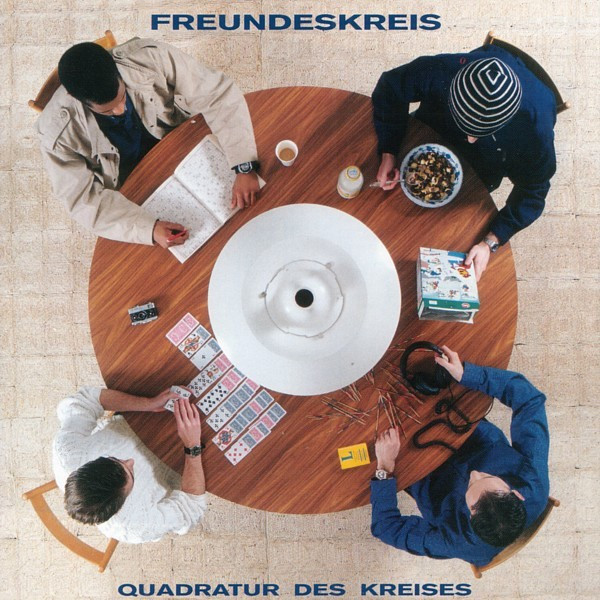
Quadratur Des Kreises
1997

Deutsche Elektronische Musik 2 (Experimental German Rock And Electronic Musik 1971-83)
2013
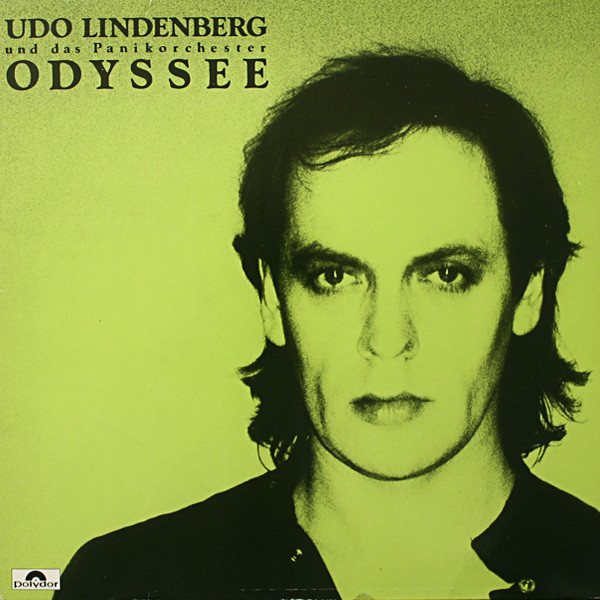
Odyssee
1983
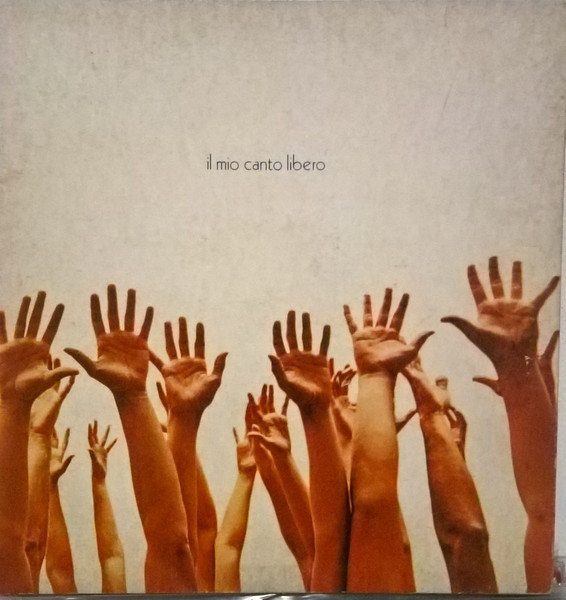
Il Mio Canto Libero
1972
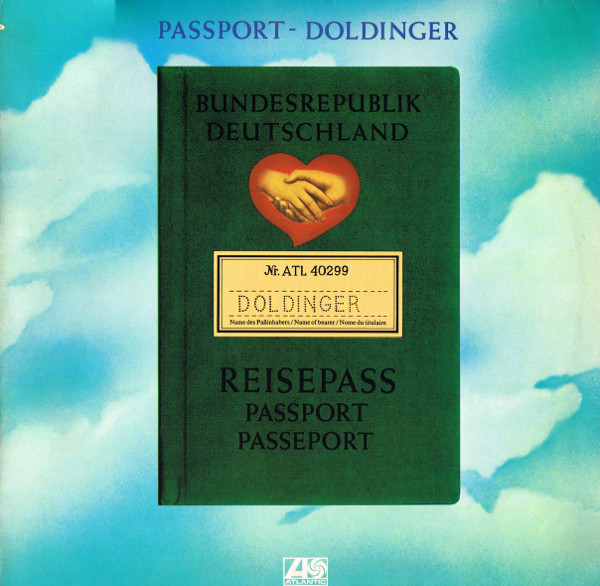
Passport
1971

Forever Jan
2024

Musik Für Jugendliche
2019

Baby Ouh!
2010
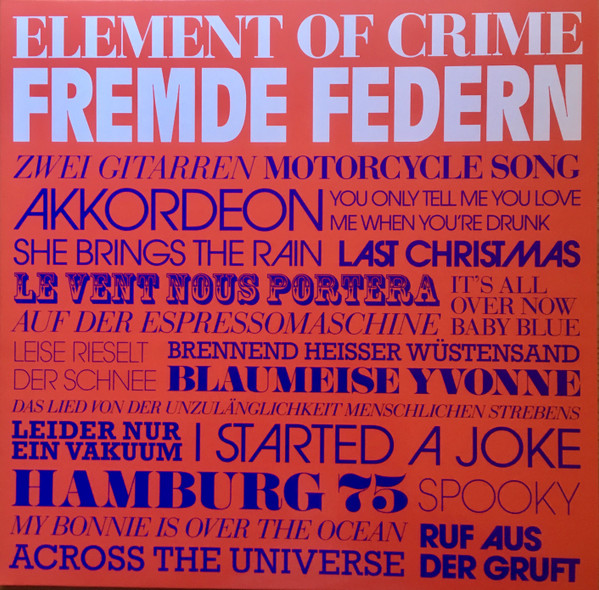
Fremde Federn
2010

Mercedes-Dance-Live
2007
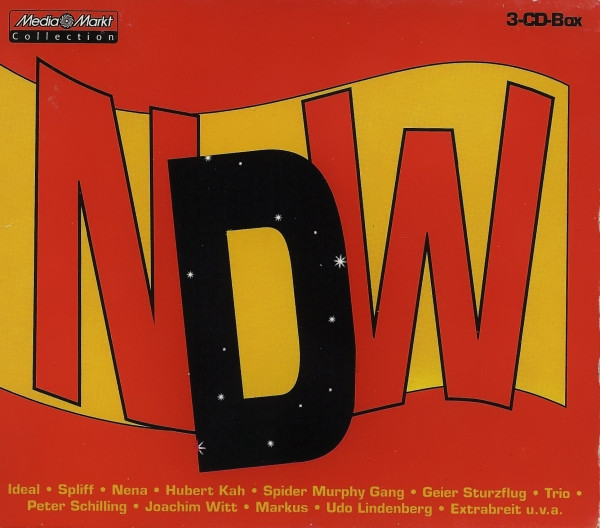
NDW
2001

Das Jahrzehnt 1980 - 1990
1990

Hermine
1988
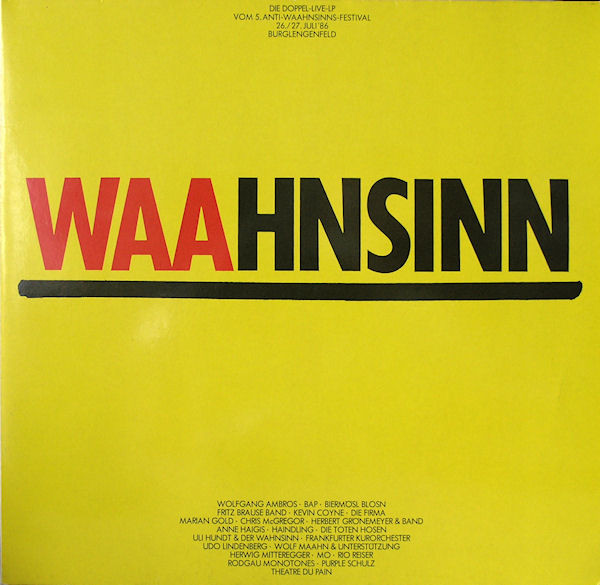
Waahnsinn
1986

Götterhämmerung
1984

Sonderzug Nach Pankow
1983
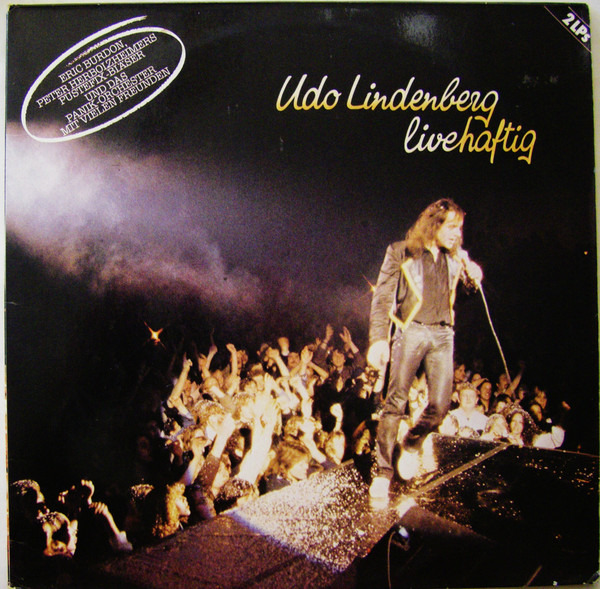
Livehaftig
1979

Ball Pompös
1974

Emergency
1971

Doldinger
2016
Frequent collaborators
- Various
- Udo Lindenberg Und Das Panikorchester
- Milva
- Jan Delay
- Die Prinzen
- Niagara
- Udo Lindenberg & Das Panikorchester
- Passport (2)
Around the web
See who really made the music.
Gatefold maps every producer, engineer, and player across your shelf — the credits no one else surfaces.
Start your shelf →Free forever. Works with 10 records or 10,000.