
Artist
Paul McCartney
The Beatles
Walton Hospital, United Kingdom · b. 1942
Paul McCartney is a musician from Walton Hospital, United Kingdom, active since 1942. Their discography on Gatefold includes 24 records. They also recorded with The Beatles, Wings, The Fireman and The Quarrymen.

170
Albums tracked
6,554
In collections
1942
Since
Biography
Paul tracked the first solo record at his house on a Studer four-track recorder with a single mic and no mixing desk. The Beatles were disintegrating in a boardroom, and he was in the woodshed playing every single instrument himself because he couldn't trust anyone else to be in the room. It’s a scrappy, lo-fi middle finger to the polished George Martin era. You can hear the tape hiss and the room noise, which was a hell of a pivot for a guy who just finished Abbey Road. He spent the seventies trying to prove he could lead a real band again with Wings, but the eighties were a goddamn minefield. He went from the weirdo synth-pop experiments of McCartney II to doing sugary duets with Michael Jackson and Stevie Wonder that made the critics want to hurl. He eventually had to bring in Elvis Costello just to have someone mean enough to tell him when a melody was too soft. It worked. He’s the only one of the bunch who could swing from avant-garde tape loops to a stadium sing-along without breaking a sweat.
Bio from The Clerk
The Arc of Paul McCartney
The pivots — what forced Paul McCartney to reinvent.
The Bedroom Lo-Fi Pivot
After the Beatles collapsed, Paul retreated to his farm with a portable four-track to cut McCartney and RAM. He ditched the high-end EMI studios for a raw, domestic sound that prioritized feel over precision. You hear it in the distorted drums and the loose, ad-libbed vocals that sounded nothing like the 'Yesterday' guy. It practically laid the groundwork for indie-pop decades before it had a name.
The Arena-Rock Reinvention
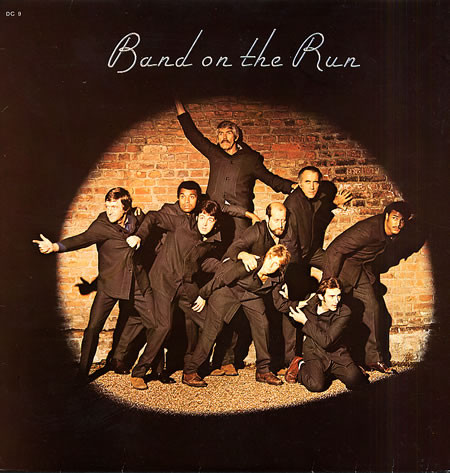
The formation of Wings wasn't just a side project; it was a desperate attempt to be a working musician again. By the time they got to Lagos to record Band on the Run, half the band had quit, and Paul ended up playing the drums himself. That record's massive success turned him into a seventies stadium juggernaut, trading the intimate farm vibes for huge horn sections and multi-part suites. It was the moment he proved he didn't need Lennon to write a number one record.
The Solitary Synth Experiment
In 1979, Paul locked himself in a room with a Sequoia sequencer and a bunch of synthesizers to record McCartney II. He was bored with the Wings stadium machine and wanted to mess with New Wave textures and oddball electronics. 'Temporary Secretary' is the proof—it’s a jittery, mechanical mess that sounds more like Kraftwerk than the British Invasion. It was a total reset that killed off Wings and moved him into the digital decade.
The Costello Course Correction
By the late eighties, Paul was drifting into over-produced adult contemporary fluff and needed a jolt. He teamed up with Elvis Costello for the Flowers in the Dirt sessions to regain some of that Lennon-style friction. Costello famously told him to put the Hofner bass back on and stop being so polite with the arrangements. The result was a sharper, more cynical edge that saved him from becoming a total heritage act.
Influences
- Little Richard — Paul famously covered 'Long Tall Sally' in a single take during the Beatles' early sessions. You hear that throat-shredding rasp every time he pushes his upper register on tracks like 'Helter Skelter' or 'I'm Down.' He was the first one to realize that a choir boy could scream like a demon.
- Buddy Holly — Paul eventually bought the entire Buddy Holly publishing catalog because the guy was his blueprint for the self-contained singer-songwriter. The melodic simplicity of 'Everyday' is baked into the DNA of almost every acoustic ballad Paul ever wrote. It's that specific 'Texas-to-Liverpool' rhythmic bounce.
- The Beach Boys — Paul has cited 'God Only Knows' as the greatest song ever written and admitted Pet Sounds forced him to step up his bass playing. You can hear Brian Wilson’s influence in the contrapuntal bass lines on RAM. He stopped just playing the root and started treating the bass like a lead instrument.
- Fats Domino — The piano stomp on 'Lady Madonna' is a direct tribute to the New Orleans boogie-woogie style of Fats. Paul was obsessed with that rolling left-hand rhythm. It’s the foundation for his specific brand of 'granny music' that actually had some backbone to it.
- Stockhausen — While Lennon gets the credit for being the 'weird' one, Paul was the one hanging out in the London avant-garde scene listening to Gesang der Jünglinge. He brought that tape-loop methodology into the studio for 'Tomorrow Never Knows.' Without those German electronic experiments, Paul’s solo weirdness on McCartney II wouldn't exist.
Paul McCartney — solo
Their records — most-collected first.
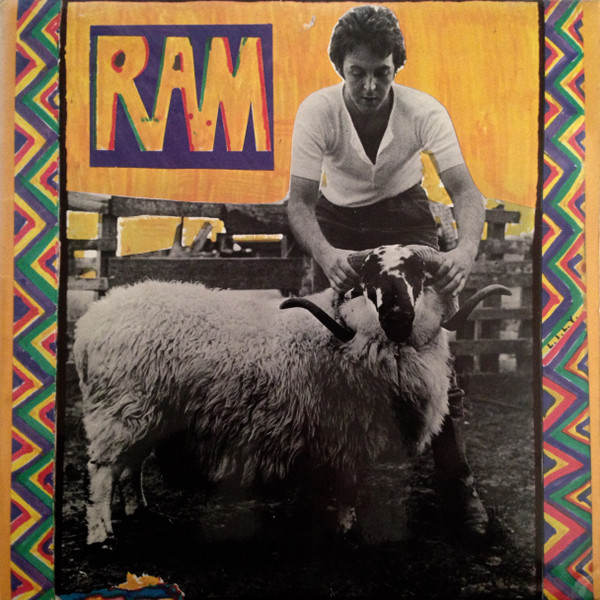
Ram
1971

McCartney II
1980
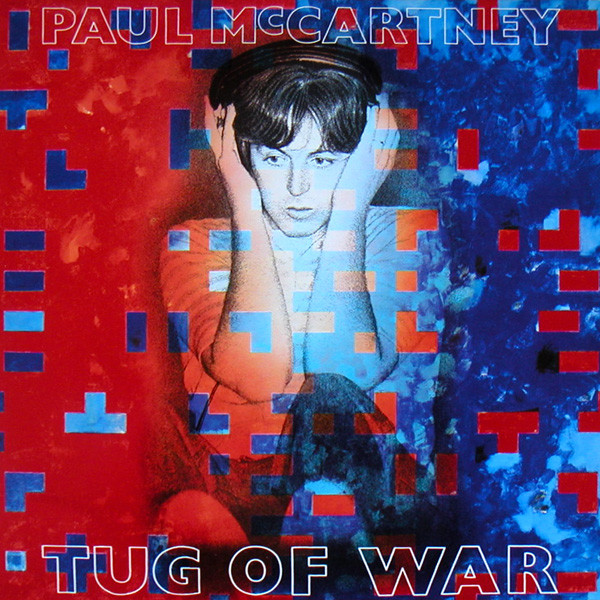
Tug Of War
1982
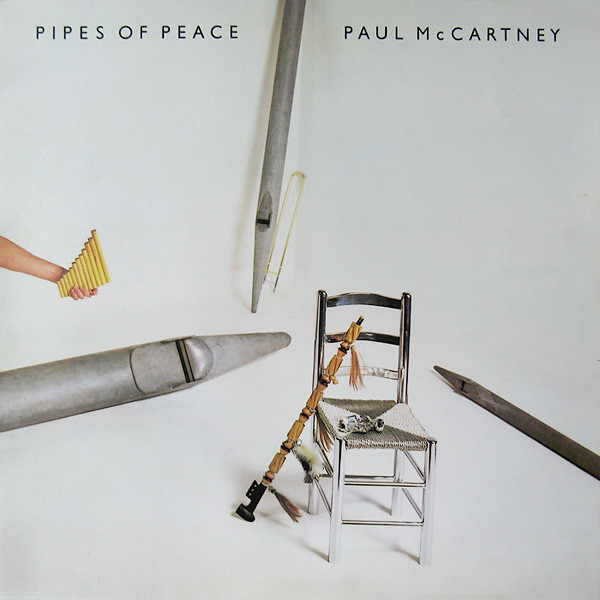
Pipes Of Peace
1983
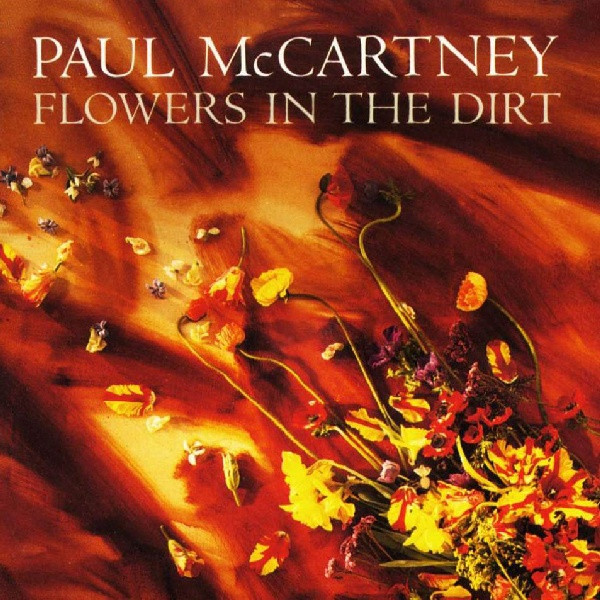
Flowers In The Dirt
1989
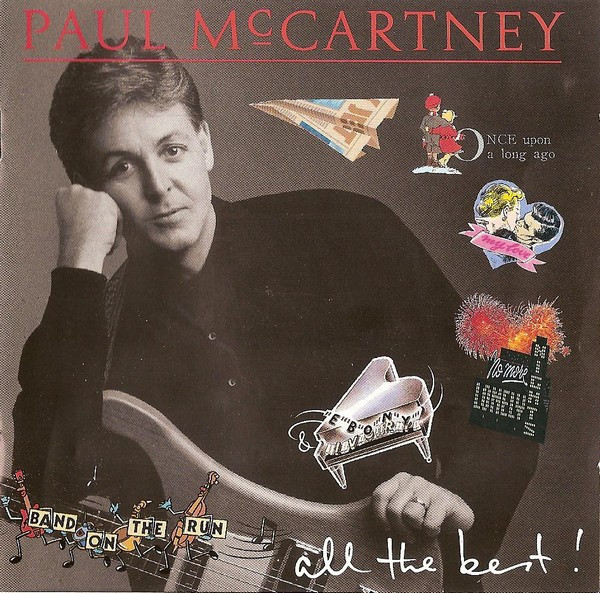
All The Best !
1987

The Boys Of Dungeon Lane
2026
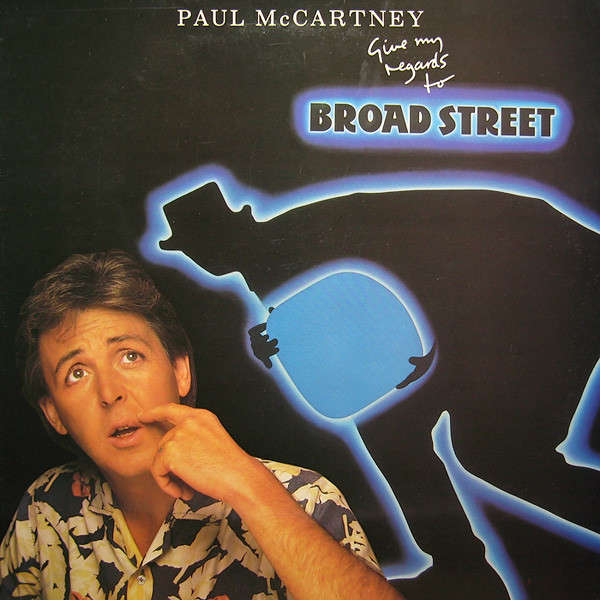
Give My Regards To Broad Street
1984
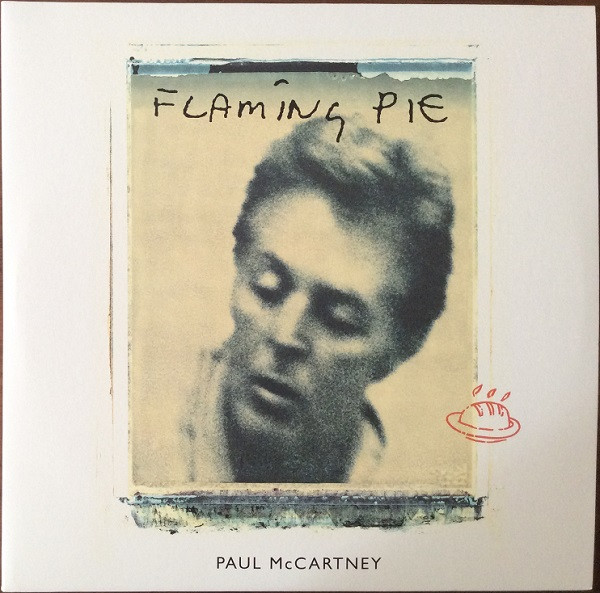
Flaming Pie
1997
Chaos And Creation In The Backyard
2005

New
2013
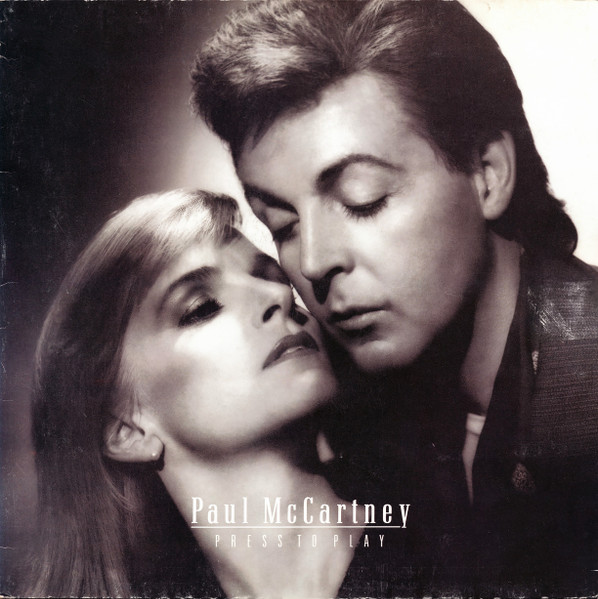
Press To Play
1986

Wingspan - Hits And History
2001

Egypt Station
2018

Say Say Say
1983

Pure McCartney
2016
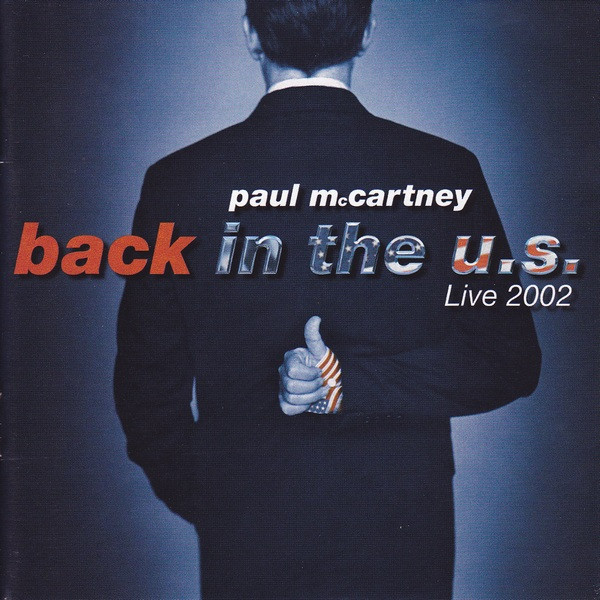
Back In The U.S.
2002

No More Lonely Nights
1984

Amoeba Gig
2019

Memory Almost Full
2007

Off The Ground
1993
Another Day
1971

Paul Is Live
1993

Ebony And Ivory
1982
The Beatles
A project Paul McCartney was part of. Former member.
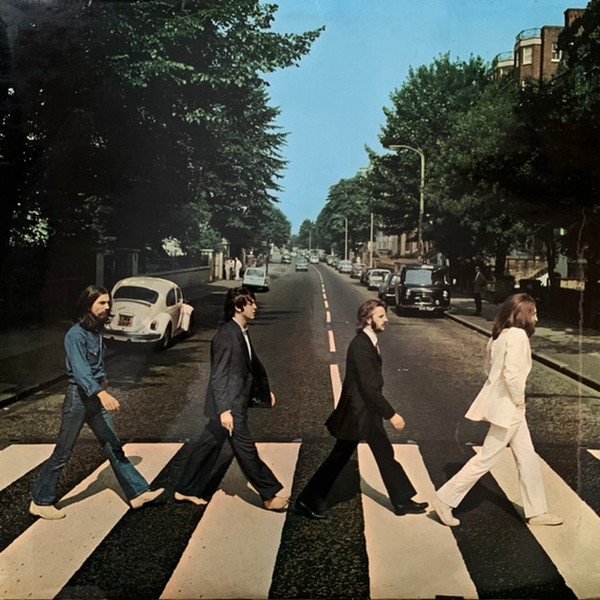
Abbey Road
1969
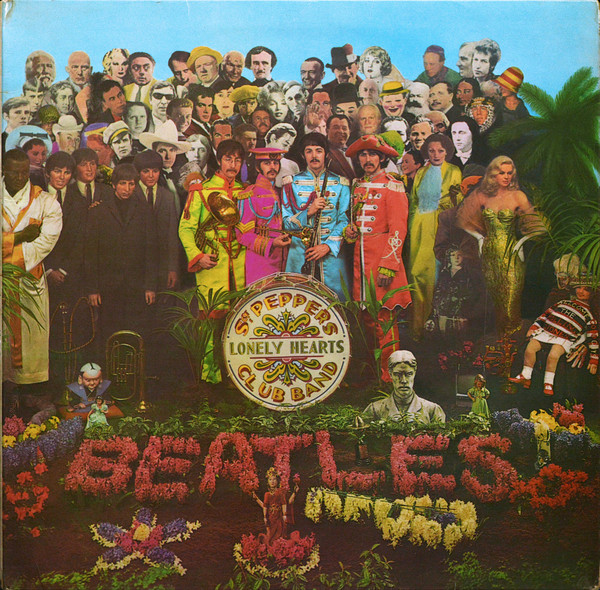
Sgt. Pepper's Lonely Hearts Club Band
1967
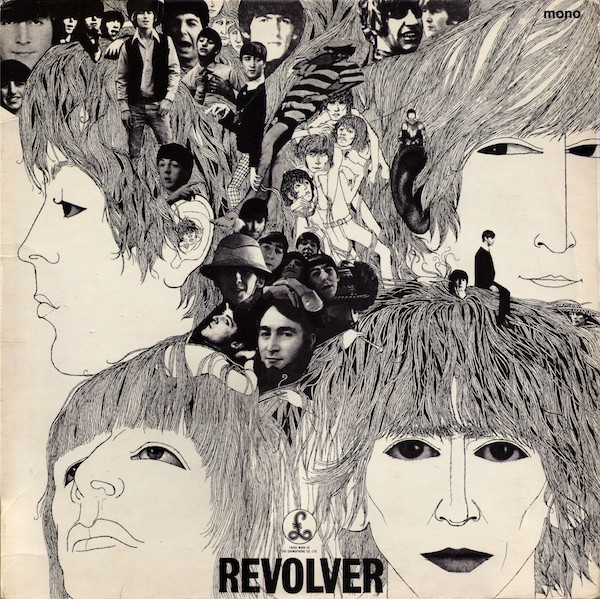
Revolver
1966
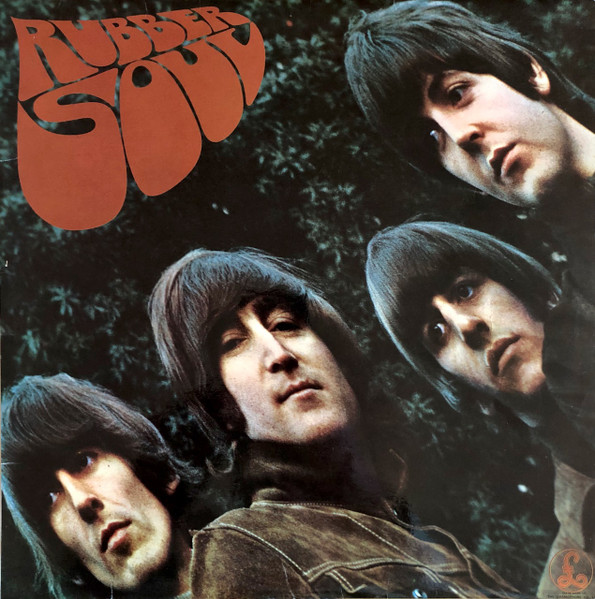
Rubber Soul
1965

Let It Be
1970
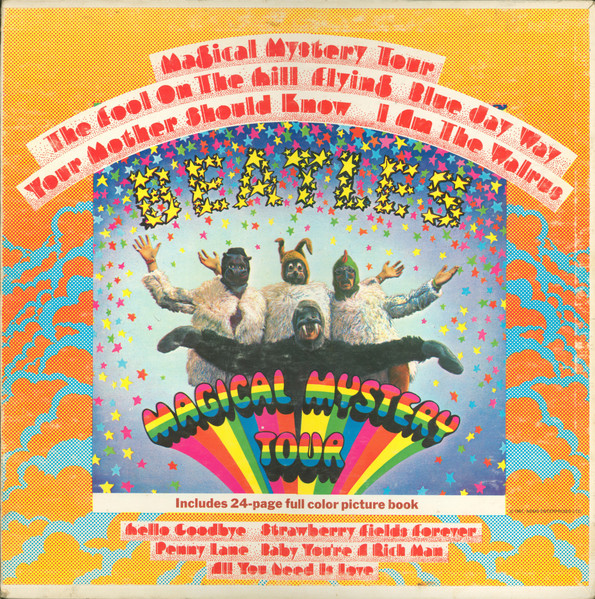
Magical Mystery Tour
1967

1967-1970
1973
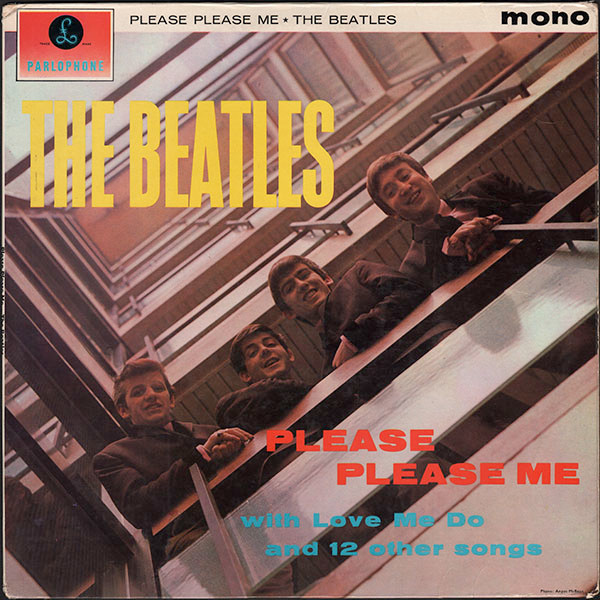
Please Please Me
1963
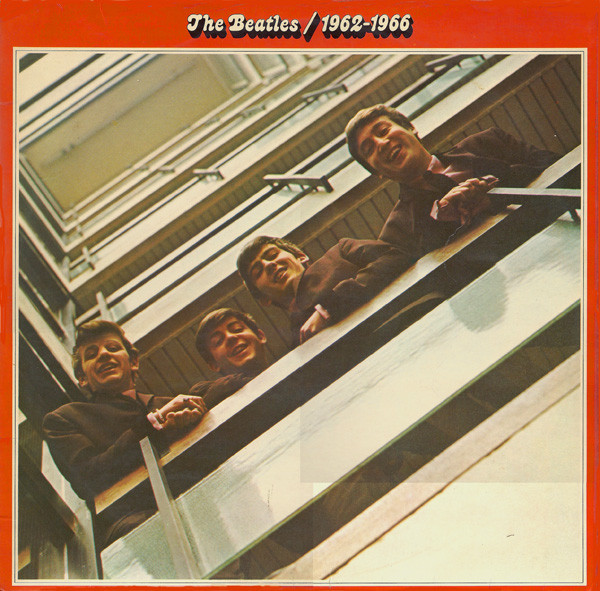
1962-1966
1973
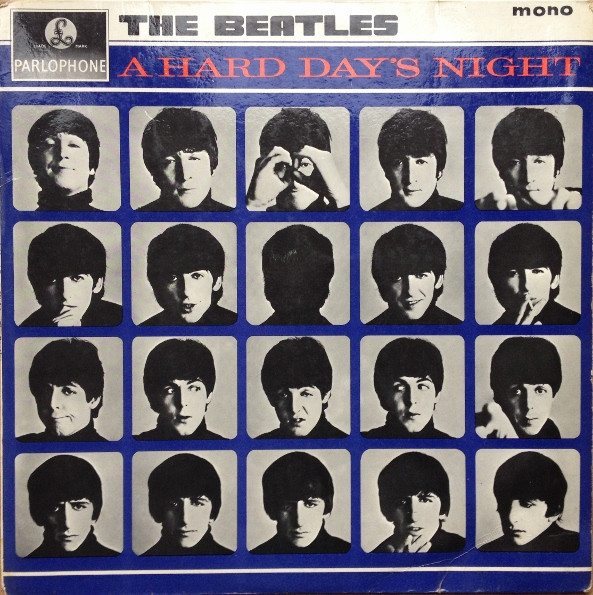
A Hard Day's Night
1964
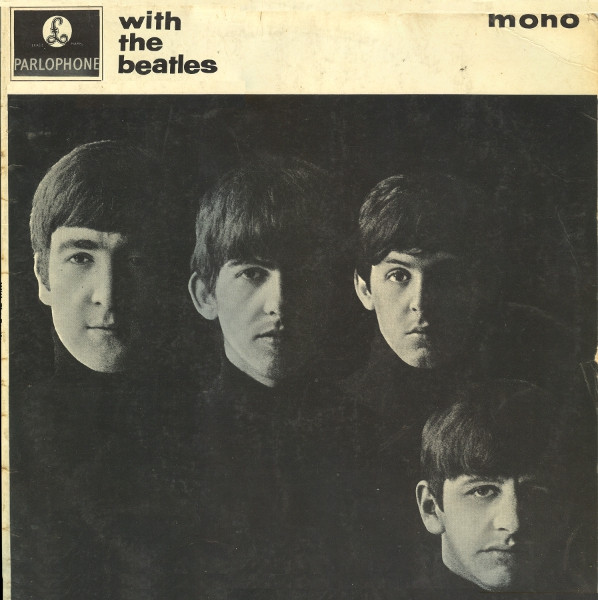
With The Beatles
1963
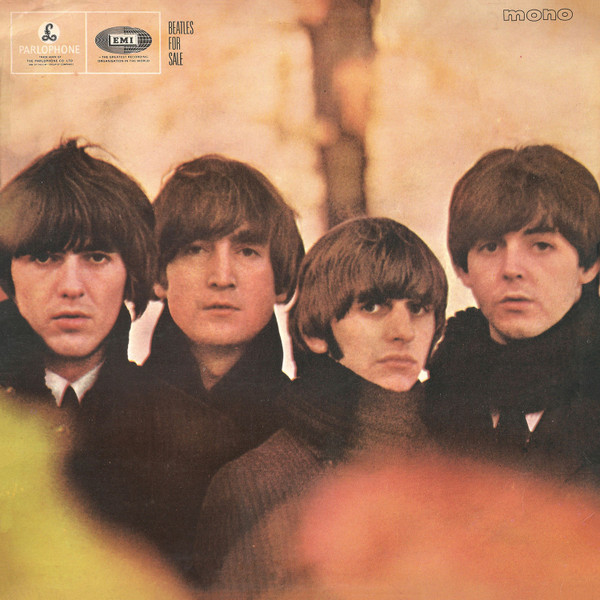
Beatles For Sale
1964
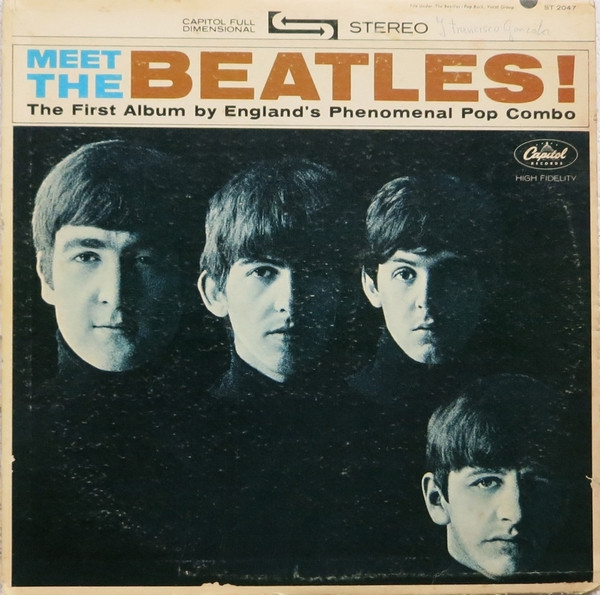
Meet The Beatles!
1964
1
2000
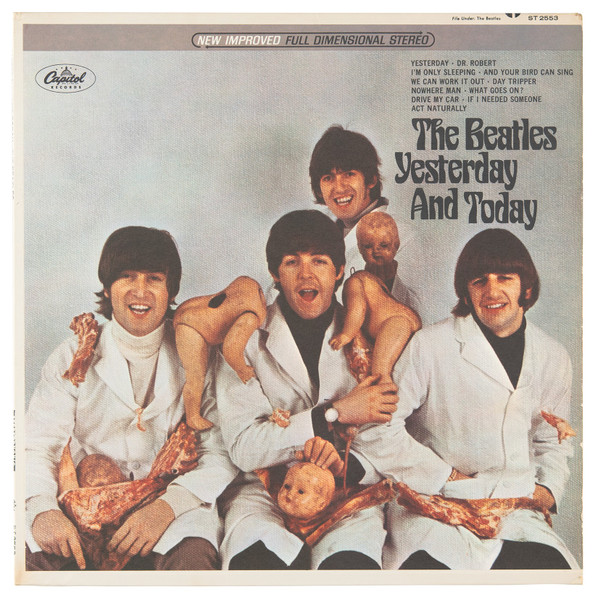
Yesterday And Today
1966
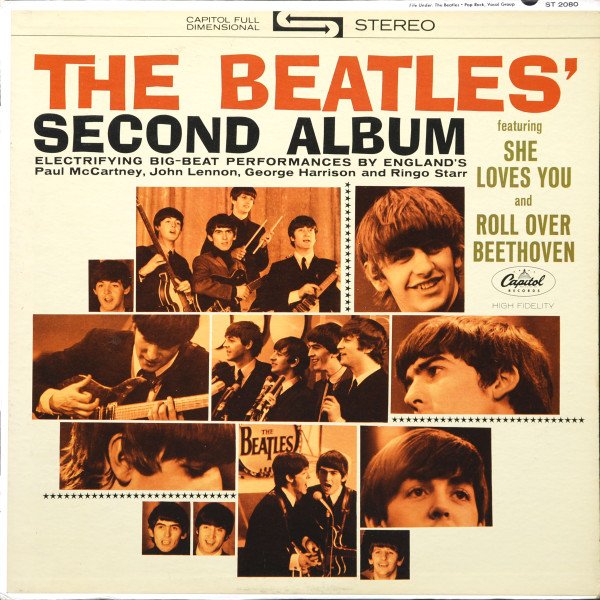
The Beatles' Second Album
1964
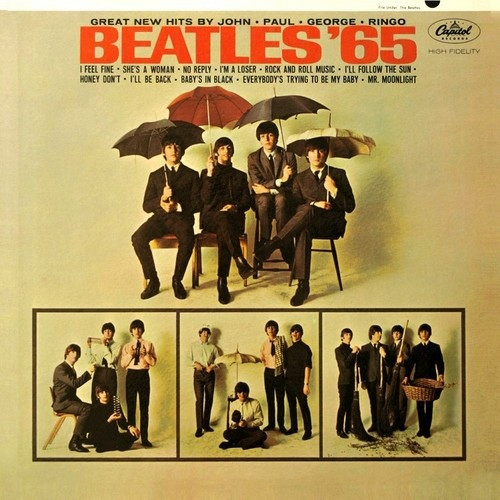
Beatles '65
1964
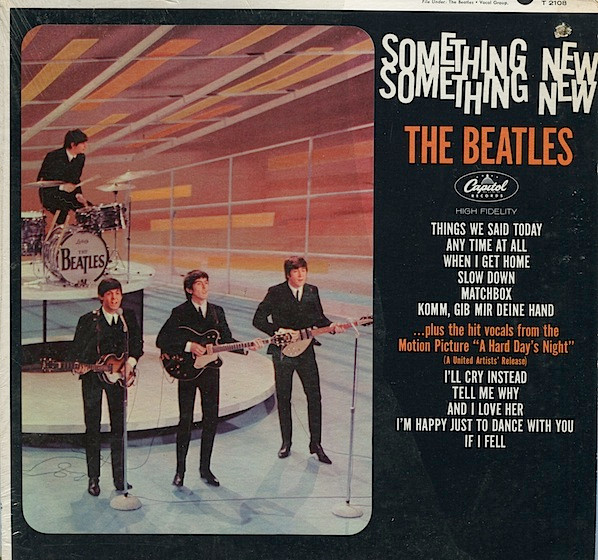
Something New
1964
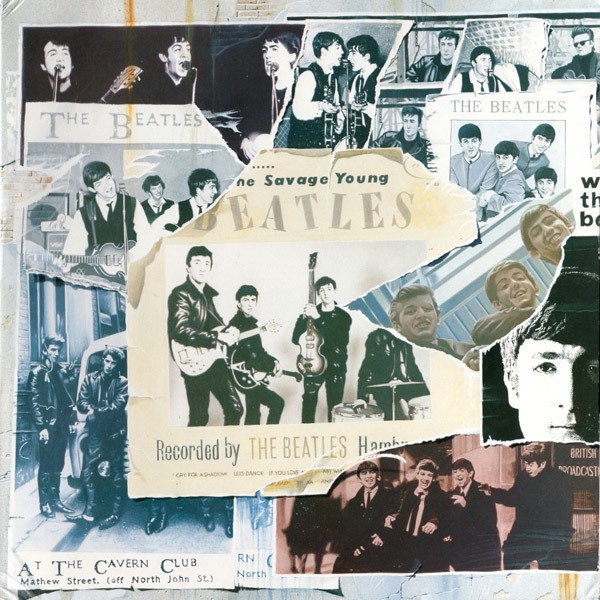
Anthology 1
1995
Past Masters Volumes One & Two
1988
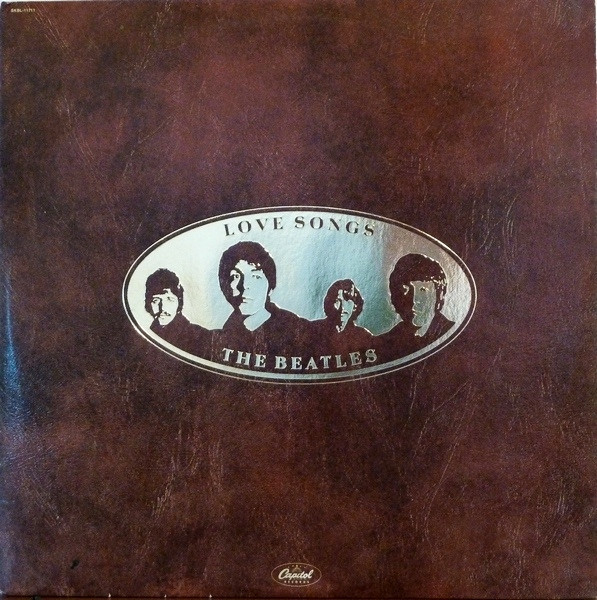
Love Songs
1977
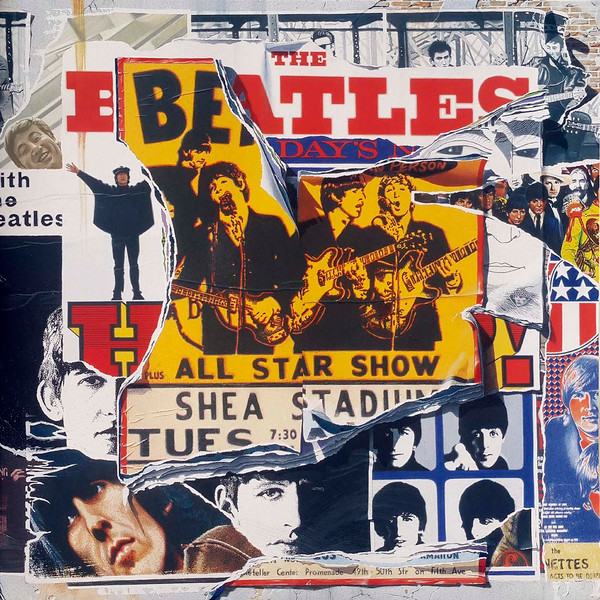
Anthology 2
1996
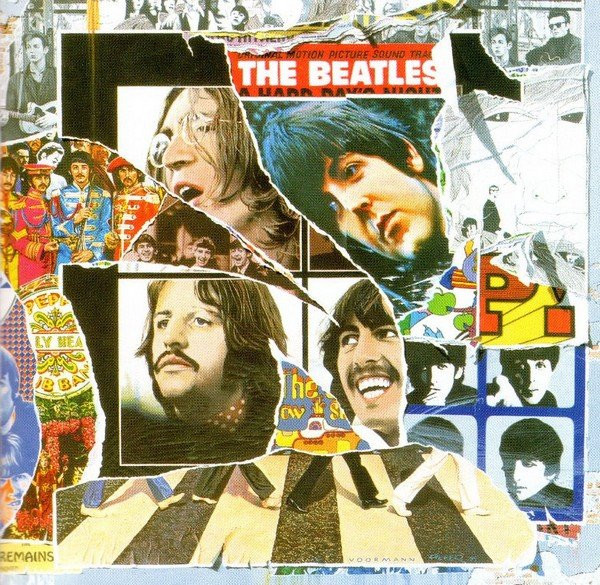
Anthology 3
1996
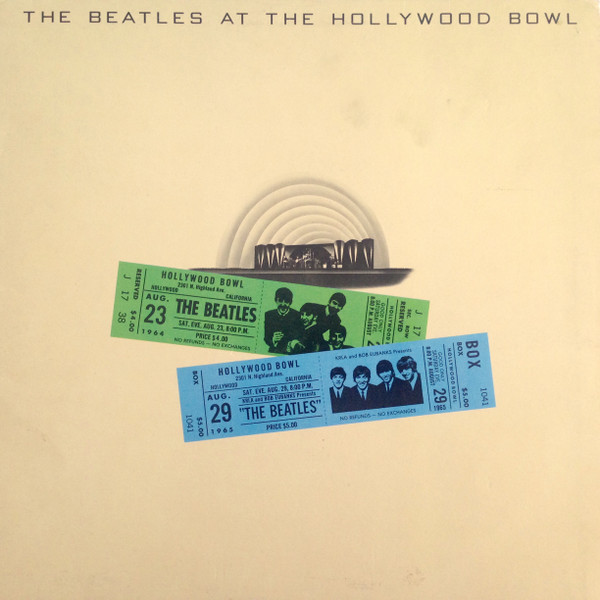
The Beatles At The Hollywood Bowl
1977
Wings
A project Paul McCartney was part of. Former member.

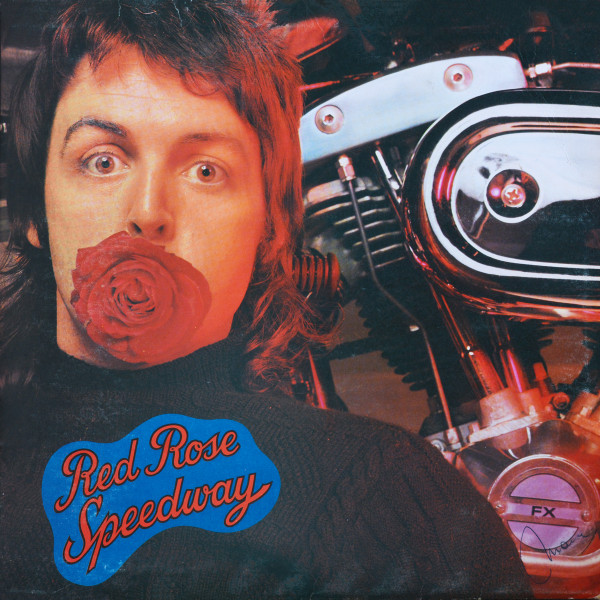
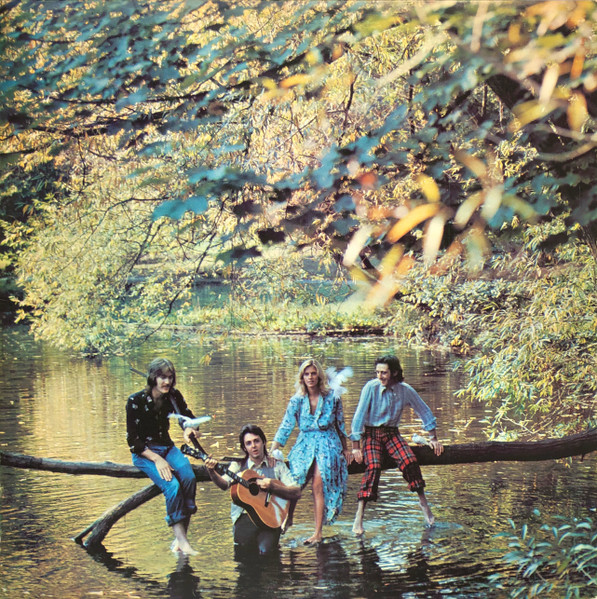
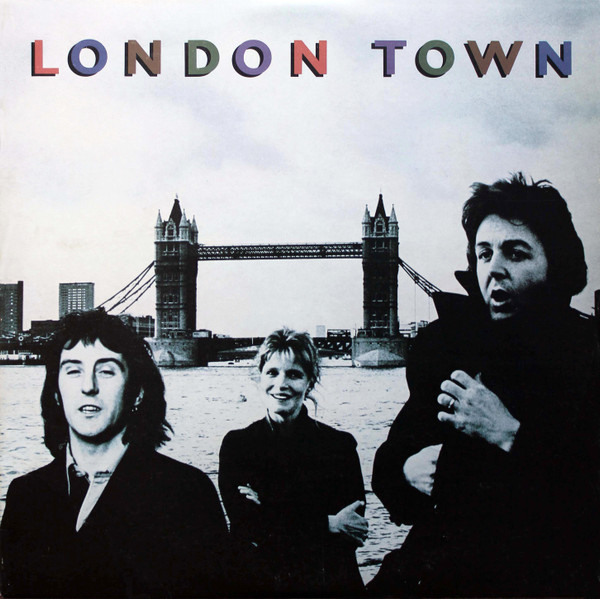
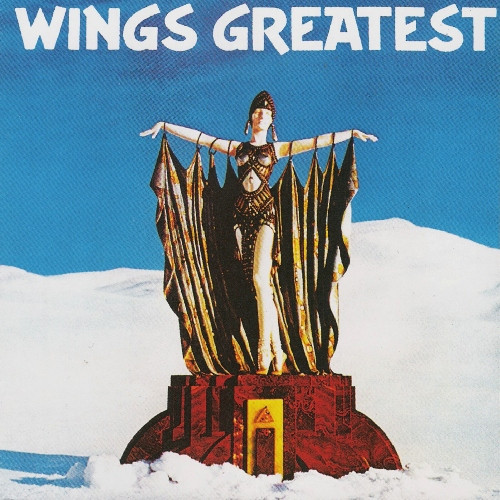
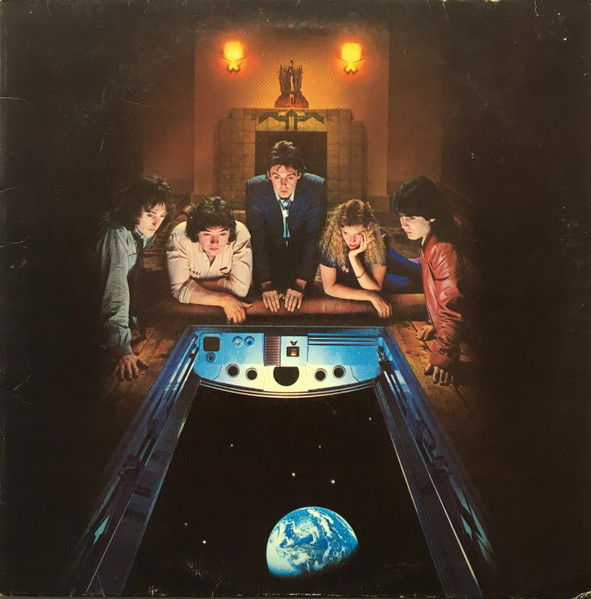
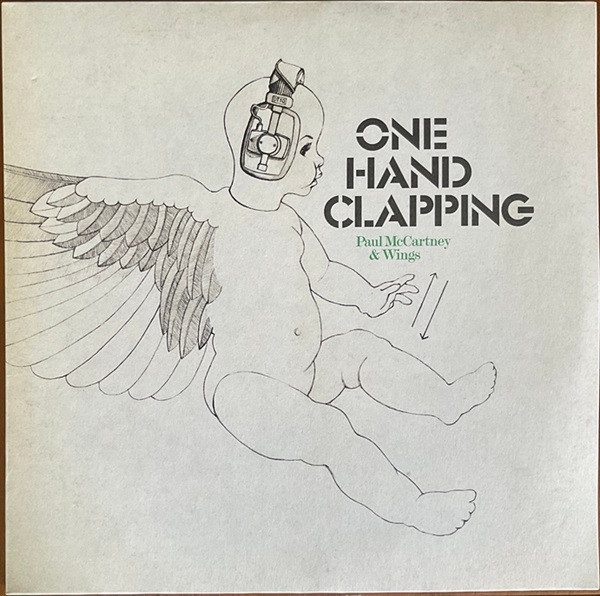


The Fireman
A project Paul McCartney was part of.
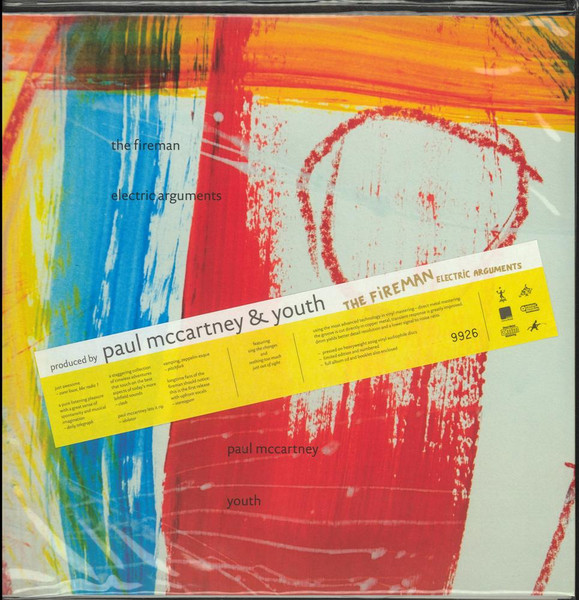

The Quarrymen
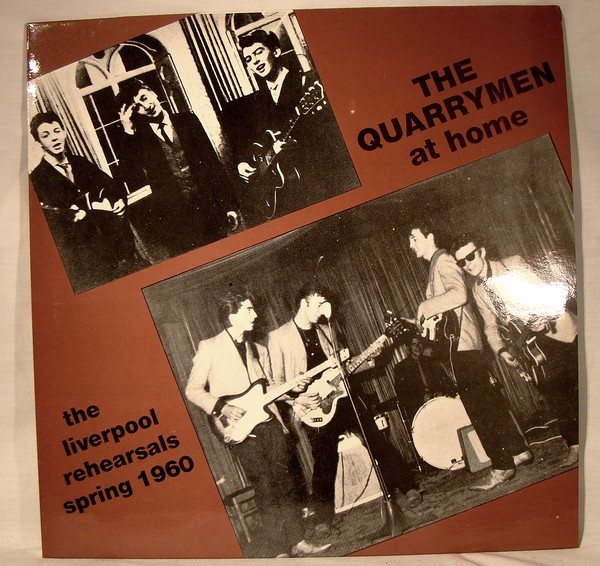
A project Paul McCartney was part of. Former member.
Related artists
Around the web
Follow every record they touch.
Start your shelf and Gatefold tracks Paul McCartney's new pressings, tour dates, and the whole discography — automatically.
Start your shelf →Free forever. Works with 10 records or 10,000.