Artist
Frank Zappa
US musician, composer, activist & filmmaker
Baltimore, United States · 1940 – 1993
Frank Zappa is a musician from Baltimore, United States, active 1940–1993. Their discography on Gatefold includes 24 records. They also recorded with The Mothers of Invention and Ruben and the Jets.

113
Albums tracked
1,047
In collections
1940
Since
Biography
The guy bought his first multi-track recorder with money he made from a low-budget movie score about a motorcycle gang, and he never looked back. He didn't give a damn about being a rock star; he wanted to be a conductor who could fire his orchestra if they missed a sixteenth note. He spent his life obsessed with the 'statistical density' of a composition, which is just a fancy way of saying he wanted to cram as many notes into a bar as humanly possible without the whole thing collapsing. He was a nightmare for labels and a hero for the weirdos in the back of the room. He sued Warner Bros., fought the PMRC over censorship, and released triple-LP sets that most humans couldn't get through in one sitting. For every genius fusion jam on Hot Rats, there is a ten-minute stretch of sophomoric toilet humor that even a middle schooler would find exhausting. But that was the deal with Frank. You take the high-level orchestral math because the man could play guitar like he was trying to saw the neck off the instrument.
Bio from The Clerk
The Arc of Frank Zappa
The pivots — what forced Frank Zappa to reinvent.
The Freak Out Years
Zappa hijacked a local R&B group called the Soul Giants and turned them into the Mothers of Invention, dragging them into the studio to record the first real rock double album. Producer Tom Wilson thought he was signing a standard blues band but ended up paying for a massive session of orchestral percussion and Dadaist noise. It was the moment the LA freak scene got a budget and a map. You hear the collision of doo-wop and experimental tape edits that would define his entire ethos.
The Jazz-Fusion Pivot
After a fan pushed him off a stage in London, Zappa ended up in a wheelchair with a crushed leg and a shattered larynx, which forced him to stop touring and start composing from his seat. He pivoted to the big-band fusion of Waka/Jawaka and The Grand Wazoo, hiring session heavyweights like Tony Duran and Erroneous to play charts that were too complex for his old rock band. This era stripped away the comedy lyrics and replaced them with cold, calculated technical precision. It’s the sound of a man using his recovery time to build a more disciplined machine.
The Synclavier Obsession
By the mid-80s, Zappa grew tired of human musicians complaining about his impossible tour schedules and difficult charts, so he bought a $200,000 Synclavier digital workstation. This machine didn't need a lunch break or a union representative, allowing him to program sequences that were physically impossible for a human to play. Jazz from Hell is the peak of this period, winning a Grammy for an album that was essentially a guy alone in a room with a computer. It turned his music into a purely digital architecture, devoid of the grit but terrifying in its accuracy.
Influences
- Edgard Varèse — Zappa called the record store every day for a year until he found a copy of 'Ionisation.' You hear the complex, non-linear percussion patterns across every 'Black Page' style drum solo he ever wrote. He even kept a framed photo of Varèse in his studio like a religious icon.
- Johnny 'Guitar' Watson — Watson's aggressive, biting telecaster tone on tracks like 'Three Hours Past Midnight' is the literal blueprint for Frank's soloing style. He flat-out admitted he started playing the guitar because of Watson's nasty, percussive attack. It's the grease that kept his intellectual compositions from getting too sterile.
- Igor Stravinsky — He spent his teens studying the score for 'The Rite of Spring' while his peers were listening to Elvis. The sudden, jarring rhythmic shifts in the Mothers' early work are straight out of the Stravinsky playbook. He famously quoted 'Petrushka' in live shows more times than his own hits.
- The Cadillacs — Zappa was a scholar of 1950s doo-wop and owned a massive collection of 78s. The vocal harmonies on 'Cruising with Ruben & the Jets' aren't a parody; they are a dead-serious tribute to the street-corner groups he grew up on. He loved the absurdity of high-pitched falsettos matched with heavy bass vocals.
- Howlin' Wolf — The raw, distorted grit of Chess Records blues was the first thing that grabbed him before he ever heard a symphony. You can hear that Chess influence in the way he structured his early blues jams and his appreciation for vocalists with a scarred, guttural delivery. He wanted that dirt to mess up his clean orchestral lines.
Frank Zappa — solo
Their records — most-collected first.

Hot Rats
1969
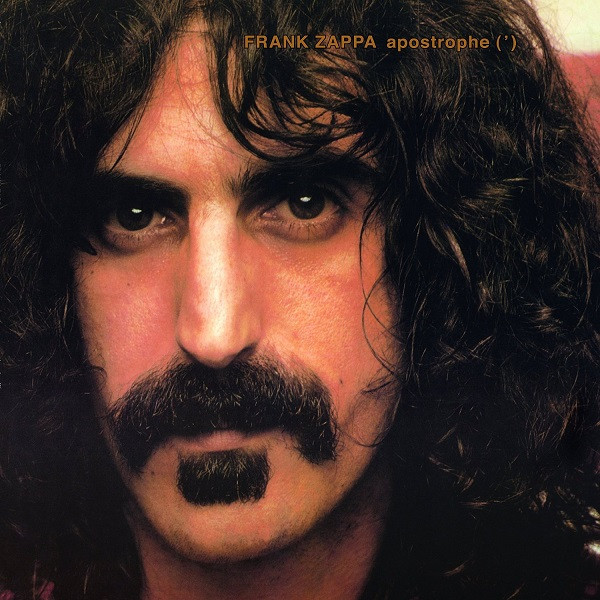
Apostrophe (')
1974
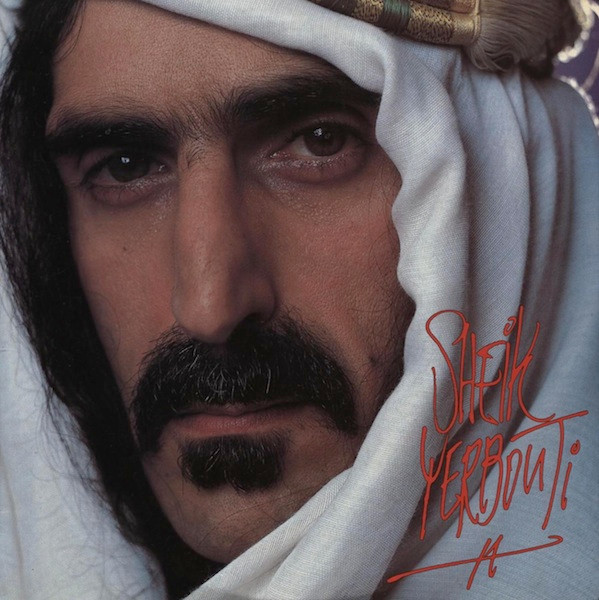
Sheik Yerbouti
1979
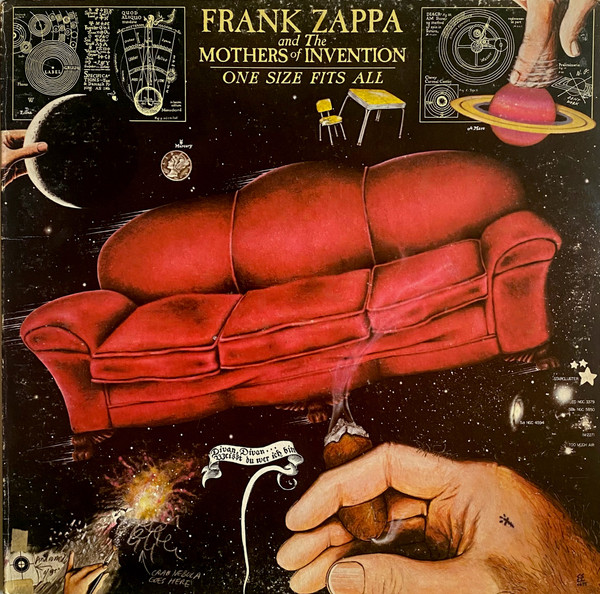
One Size Fits All
1975
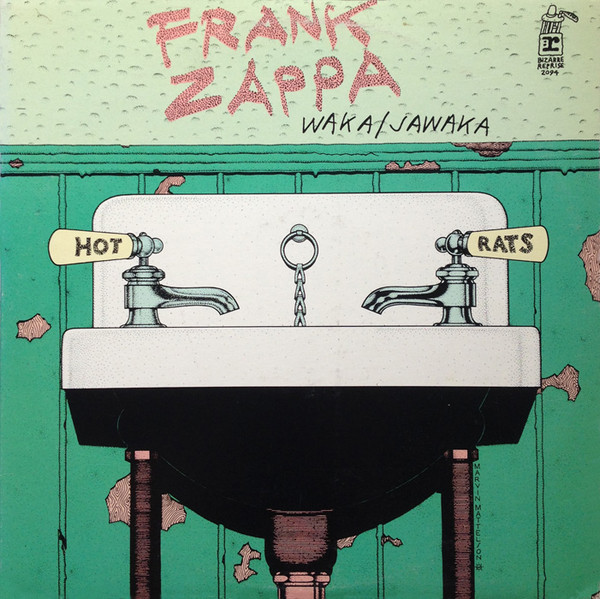
Waka / Jawaka - Hot Rats
1972
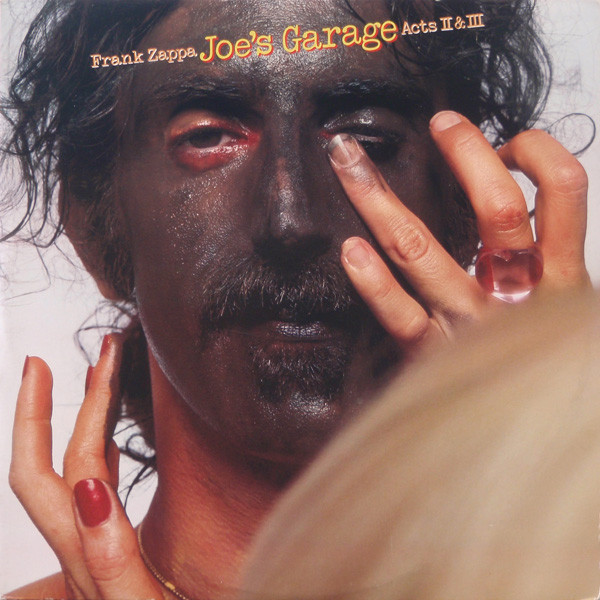
Joe's Garage Acts II & III
1979

Zappa In New York
1977
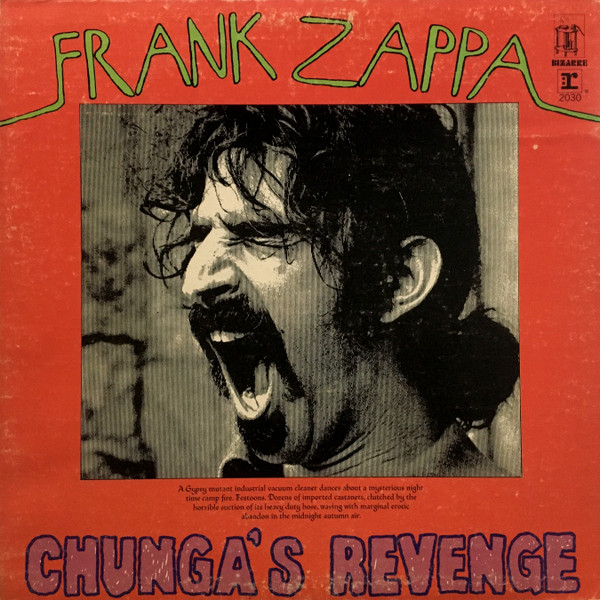
Chunga's Revenge
1970

200 Motels
1971
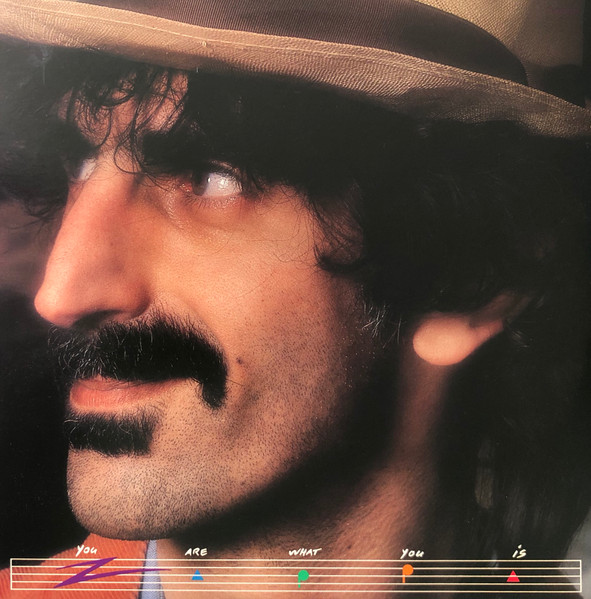
You Are What You Is
1981
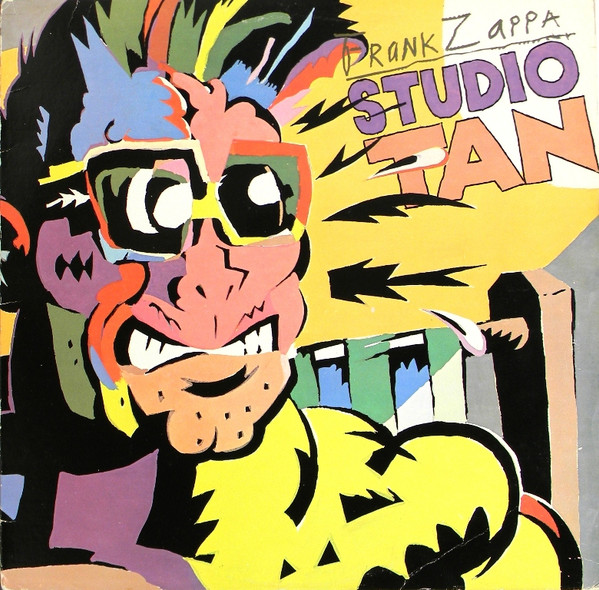
Studio Tan
1978
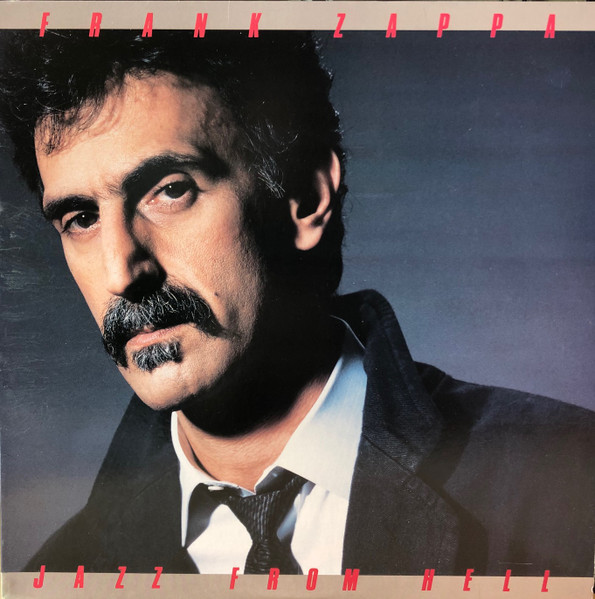
Jazz From Hell
1986
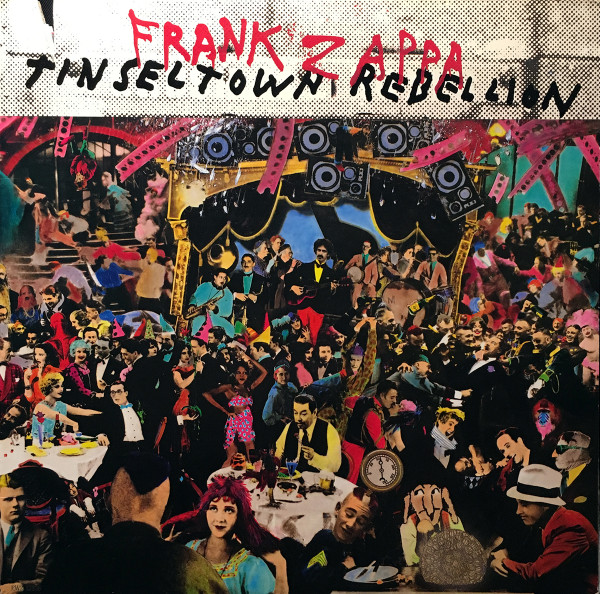
Tinsel Town Rebellion
1981
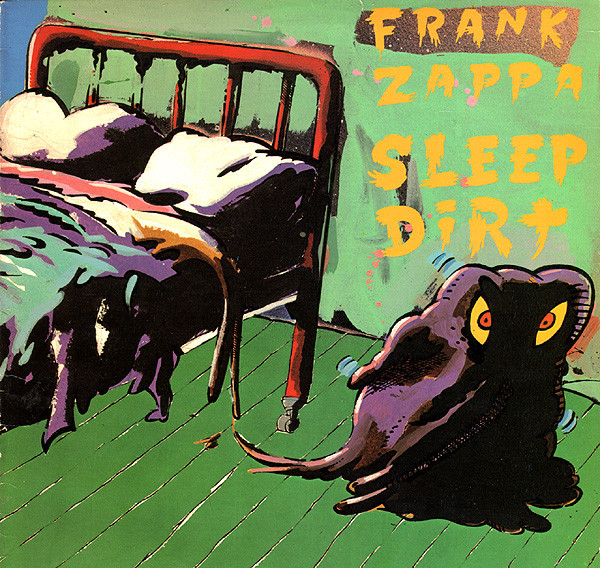
Sleep Dirt
1979
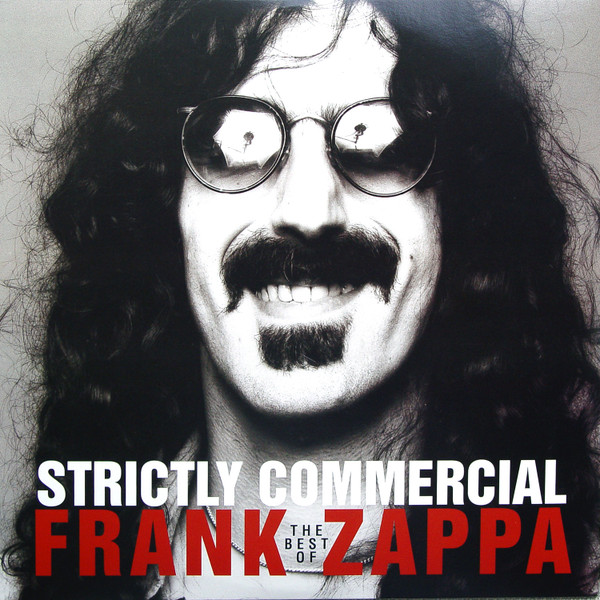
Strictly Commercial (The Best Of Frank Zappa)
1995
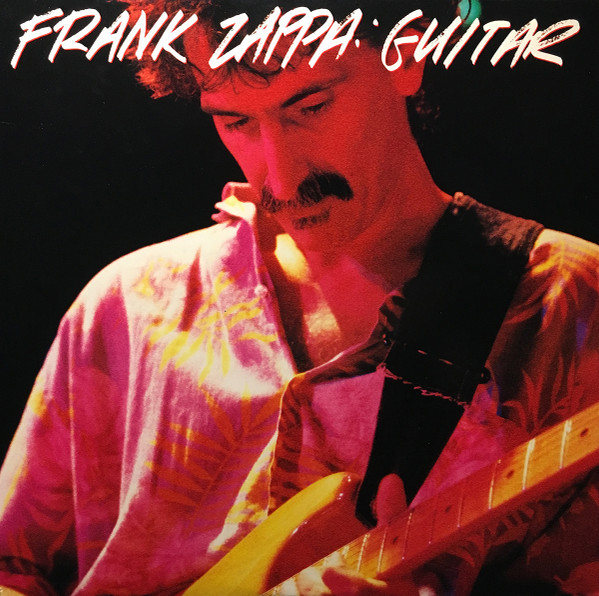
Guitar
1988
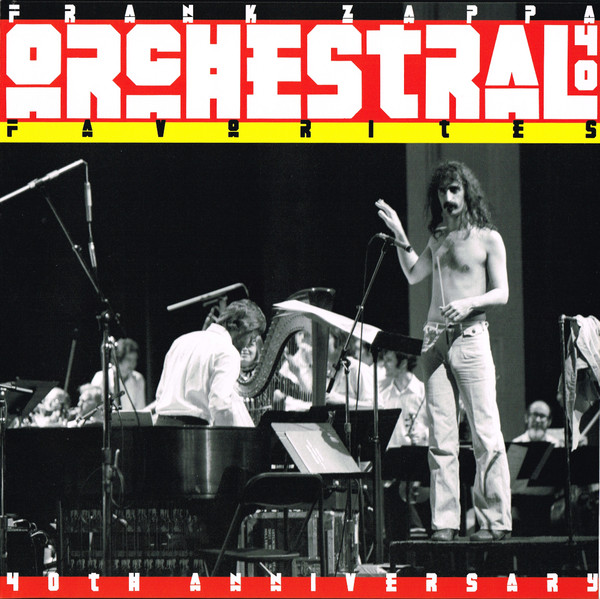
Orchestral Favorites
1979

Whisky A Go Go, 1968
2024
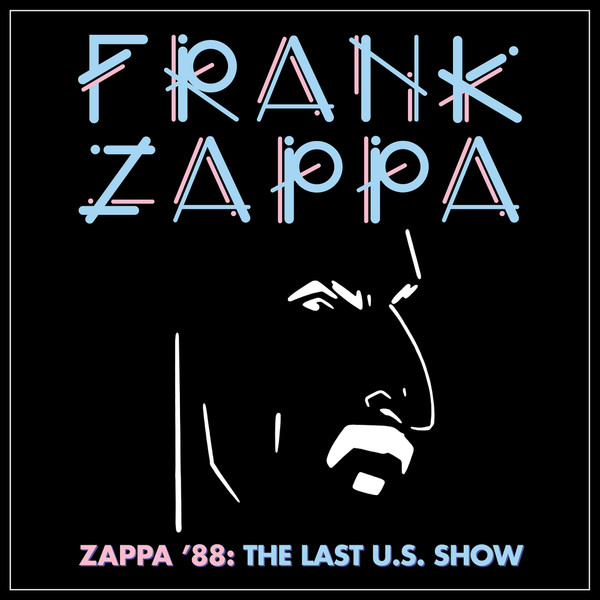
Zappa '88: The Last U.S. Show
2021
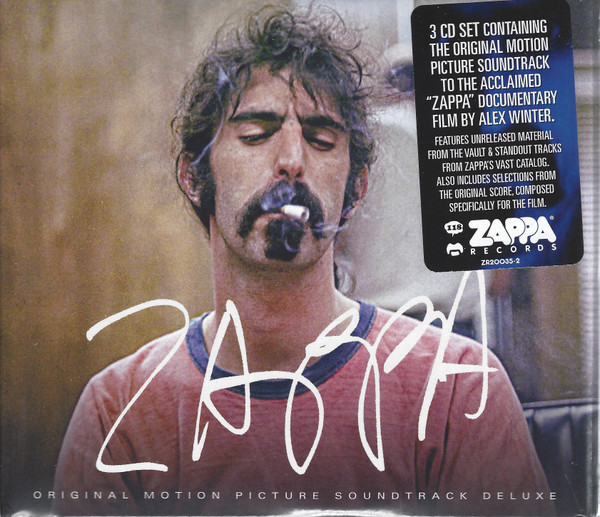
Zappa (Original Motion Picture Soundtrack Deluxe)
2021
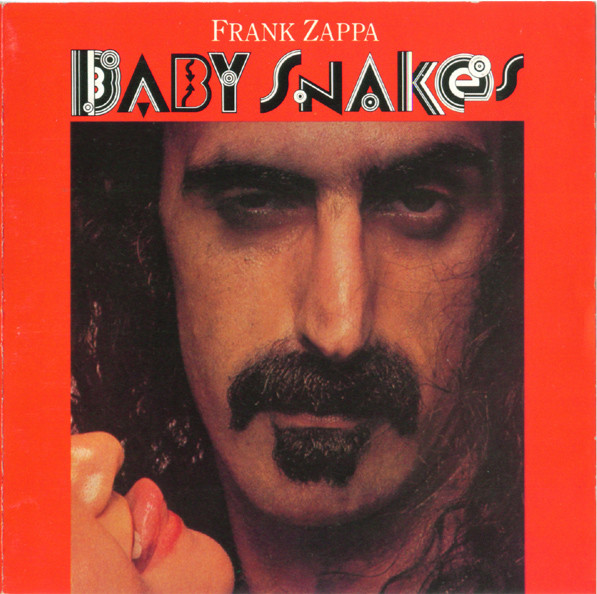
Baby Snakes
1983
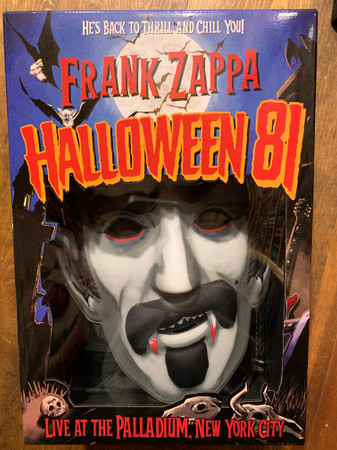
Halloween 81
2020

Have I Offended Someone?
1997

Make A Jazz Noise Here
1991
The Mothers of Invention
A project Frank Zappa was part of. Former member.

Freak Out!
1966

Over-Nite Sensation
1973
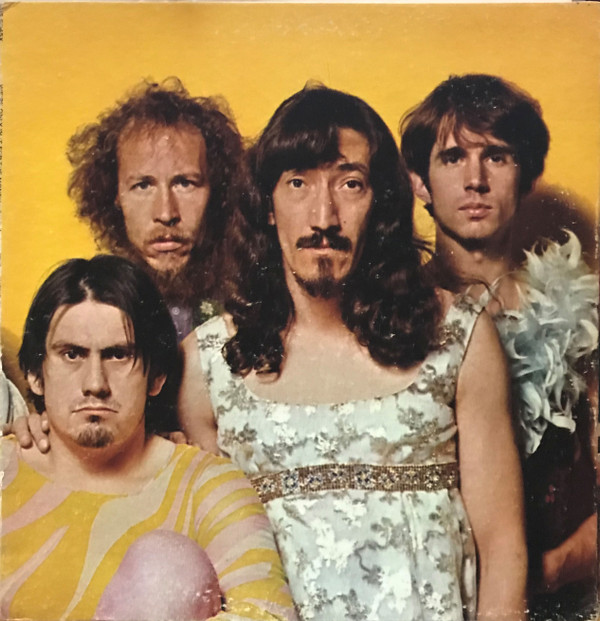
We're Only In It For The Money
1968
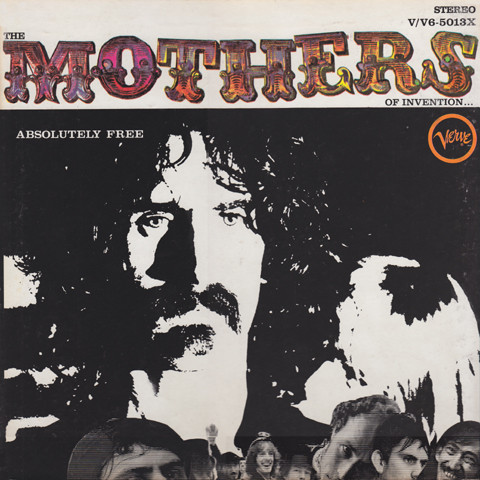
Absolutely Free
1967
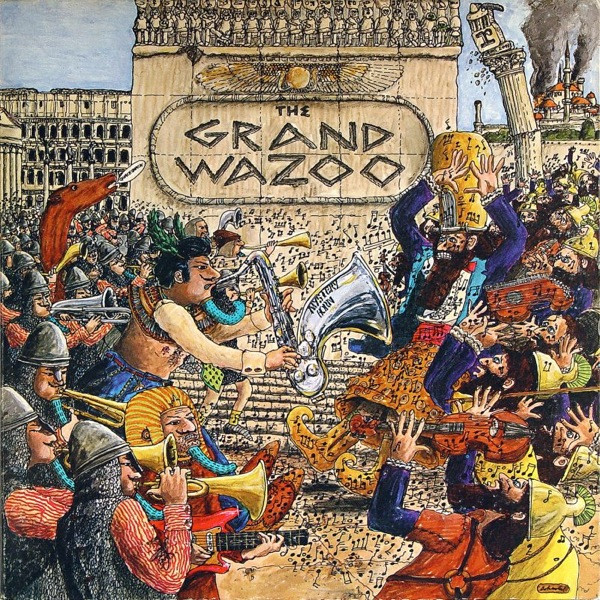
The Grand Wazoo
1972

Uncle Meat
1969
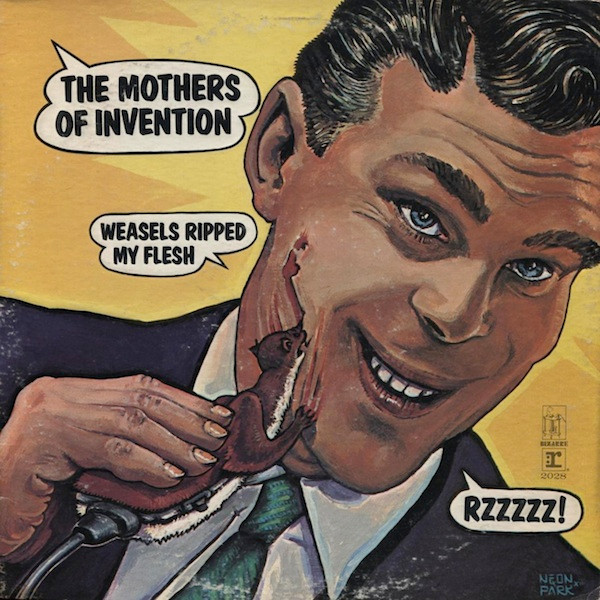
Weasels Ripped My Flesh
1970

Burnt Weeny Sandwich
1970
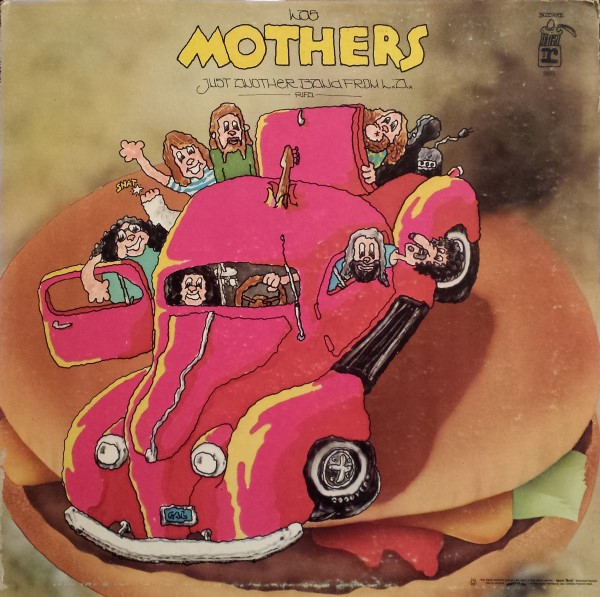
Just Another Band From L.A.
1972

Mothermania (The Best Of The Mothers)
1969

'Tis The Season To Be Jelly
1991

2 Originals Of The Mothers Of Invention
1975

The Worst Of The Mothers
1971

The Mothers Of Invention
1970
Ruben and the Jets
A project Frank Zappa was part of.

Related artists
Around the web
Follow every record they touch.
Start your shelf and Gatefold tracks Frank Zappa's new pressings, tour dates, and the whole discography — automatically.
Start your shelf →Free forever. Works with 10 records or 10,000.