
Artist
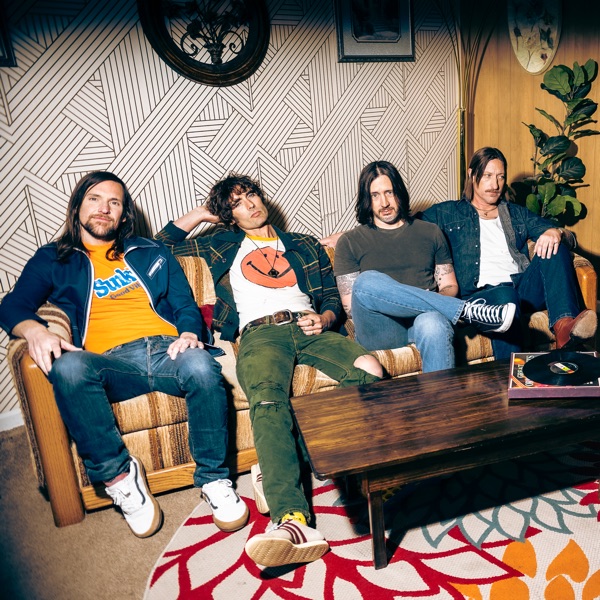
The All‐American Rejects
US rock band
Stillwater, United States · Formed 2000
The All‐American Rejects is a music group from Stillwater, United States, active since 2000. Their discography on Gatefold includes 9 records.
9
Albums tracked
61
In collections
2000
Since
Biography
Tim O'Heir cut their self-titled debut in a small studio in Brooklyn with barely any budget and Tyson Ritter handling every vocal take like his life depended on it. Before the glossy MTV money rolled in, Ritter and Nick Wheeler tracked half those songs in an Oklahoma bedroom with an Alesis drum machine and a cheap synth. That low-rent power pop blueprint caught Doghouse Records before DreamWorks smelled blood and bought out the contract. They were power-pop nerds disguised as Warped Tour mall-punks, armed with hook-writing fundamentals that most of their eyeliner-wearing peers couldn't touch. Howard Benson gave them the stadium sheen on Move Along, blowing up their drum sound and stacking vocal layers until they became radio inescapable. But by the time they dragged producer Greg Wells into a messy set of sessions for When the World Comes Down, the intra-band friction almost tore them apart before 'Gives You Hell' turned into a monstrous middle-finger crossover smash. They were always sharper than the scene gave them credit for, treating pop structure with absolute discipline while pretending to be slacker garage-rockers.
Bio from The Clerk
The Arc of The All‐American Rejects
The pivots — what forced The All‐American Rejects to reinvent.
The Doghouse to Major-Label Jump
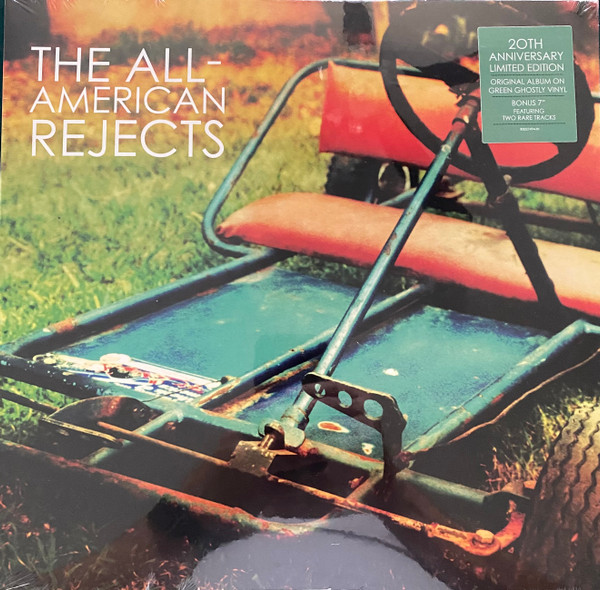
Ritter and Wheeler built the debut on bare-bones demo tapes and drum machines before Tim O'Heir helped them polish it for indie label Doghouse. DreamWorks quickly bought the rights and rereleased it in 2003, pushing 'Swing, Swing' to rock radio and MTV rotators. The sound was raw power pop hidden beneath aggressive, urgent guitars and cheap keyboard hooks. It proved they could write chart-ready hooks straight out of an Oklahoma garage without relying on heavy emo tropes.
The Howard Benson Arena Polish
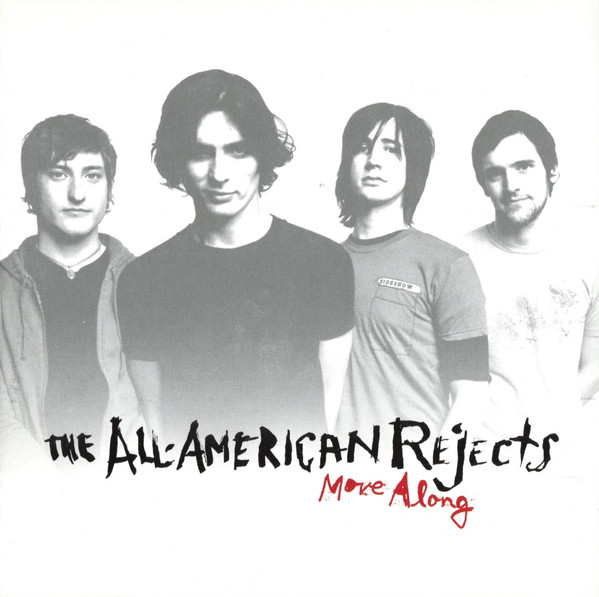
Stepping into Bay 7 Studios with hitmaker producer Howard Benson transformed them from scruffy upstarts into an immaculate radio juggernaut on Move Along. Benson supercharged Chris Gaylor's drums, tightened Wheeler's guitar layering, and demanded widescreen vocal arrangements for tracks like 'Dirty Little Secret.' The resulting record traded their garage grit for hyper-compressed, massive pop-punk perfection that owned mid-2000s commercial radio.
The Fractured Crossover
Internal exhaustion and isolation nearly broke the band before they hired Greg Wells to produce When the World Comes Down. Wells leaned into the tension, stripping back the slickness for raw piano ballads and biting acoustic arrangements. The spiteful, clap-heavy lead single 'Gives You Hell' became the biggest crossover hit of their career, anchoring an otherwise moody, conflicted record that pushed them out of the pop-punk sandbox.
The Costey Art-Pop Experiment
Tired of the pop-punk assembly line, the band brought in heavyweight alt-rock producer Rich Costey for Kids in the Street. Costey pushed them toward vintage analog synths, looser grooves, and conceptual themes about reckless youth and regret. The guitars took a backseat to layered textures and sprawling arrangements, resulting in their most ambitious and critically overlooked left turn.
Influences
- The Cars — Ritter and Wheeler repeatedly cited Ric Ocasek's precise, keyboard-heavy arrangement style as the original blueprint for their earliest songs. You hear it straight away in the syncopated synth line and punchy power chords running through 'Swing, Swing.' They took Ocasek's tight new wave structures and sped them up for modern rock radio.
- Weezer — The band grew up on Rivers Cuomo's Blue Album, adopting his knack for combining heavy, crunching rhythm guitars with unabashed bubblegum melodies. You can hear that exact dynamic in the verse-chorus explosions across their 2002 self-titled record. It gave them permission to be pop nerds playing through loud amps.
- Def Leppard — Wheeler openly cited Mutt Lange's massive production style and Def Leppard's stacked guitar harmonies as a huge influence on his tracking methods. The towering multi-tracked vocal bridges and polished chorus walls on Move Along borrow heavily from classic eighties arena-rock layering.
- Cheap Trick — Robin Zander and Rick Nielsen set the standard for blending power-pop hooks with loud, unapologetic rock energy that Ritter studied intensely. That influence bleeds through the driving tempo and theatrical vocal delivery on tracks like 'My Paper Heart.' They wanted to write three-minute radio anthems with teeth.
- The Cure — Ritter has regularly pointed to Robert Smith's moody, melodic basslines and melancholic lyricism as a foundational influence on his own playing and writing. You hear the atmospheric bass-driven melodies cutting through the intros of deeper cuts like 'Your Star' and 'Drive Away.'
Discography
Their records — most-collected first.




Related artists
Around the web
Follow every record they touch.
Start your shelf and Gatefold tracks The All‐American Rejects's new pressings, tour dates, and the whole discography — automatically.
Start your shelf →Free forever. Works with 10 records or 10,000.