
Performance · Other credits
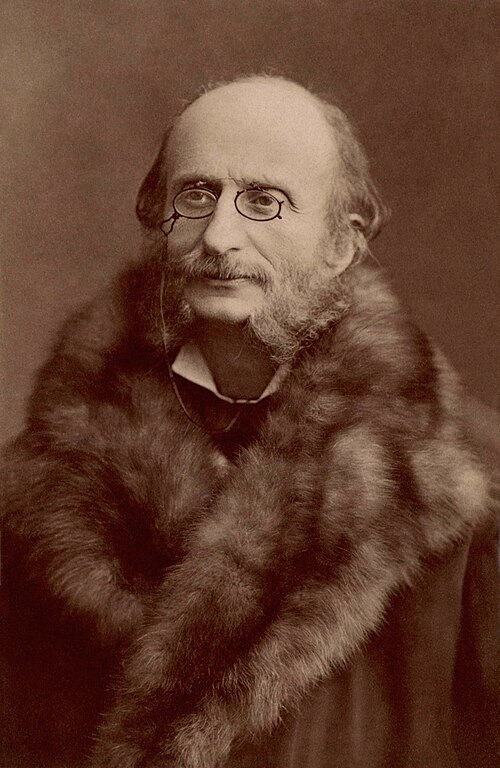
Jacques Offenbach
German-French composer, cellist and impresario
Cologne, Germany · 1819-06-20 – 1880-10-05
Jacques Offenbach is credited on 8,998 releases across 1,980 albums tracked on Gatefold, active 1950–2025 — the collector-built map of who actually made the music.
8,998
Pressings credited
1,980
Albums
8
Decades active
84
In collections
Biography
Jacques Offenbach (; 20 June 1819 – 5 October 1880) was a German-born French composer, cellist and impresario. He is remembered for his nearly 100 operettas of the 1850s to the 1870s, and his uncompleted opera The Tales of Hoffmann. He was a powerful influence on later composers of the operetta genre, particularly Franz von Suppé, Johann Strauss II and Arthur Sullivan. His best-known works were continually revived during the 20th century, and many of his operettas continue to be staged in the 21st. The Tales of Hoffmann remains part of the standard opera repertory. Born in Cologne, Kingdom of Prussia, the son of a synagogue cantor, Offenbach showed early musical talent. At the age of 14, he was accepted as a student at the Paris Conservatoire; he found academic study unfulfilling and left after a year, but remained in Paris. From 1835 to 1855 he earned his living as a cellist, achieving international fame, and as a conductor. His ambition, however, was to compose comic pieces for the musical theatre. Finding the management of Paris's Opéra-Comique company uninterested in staging his works, in 1855 he leased a small theatre in the Champs-Élysées. There, during the next three years, he presented a series of more than two dozen of his own small-scale pieces, many of which became popular. In 1858 Offenbach produced his first full-length operetta, Orphée aux enfers ("Orpheus in the Underworld"), with its celebrated can-can; the work was exceptionally well received and has remained his most played. During the 1860s, he produced at least eighteen full-length operettas, as well as more one-act pieces. His works from this period include La belle Hélène (1864), La Vie parisienne (1866), La Grande-Duchesse de Gérolstein (1867) and La Périchole (1868). The risqué humour (often about sexual intrigue) and mostly gentle satiric barbs in these pieces, together with Offenbach's facility for melody, made them internationally known, and translated versions were successful in Vienna, L
Bio from Wikipedia
Credited work
8,998 releases · 1,980 albums · active 1950–2025
- Performance · 10,335
- Other credits · 325
- Production · 1
Studios: Abbey Road Studios · Kingsway Hall · CBS Studios, London · The Manor
Discography
Records they worked on — most-collected first.
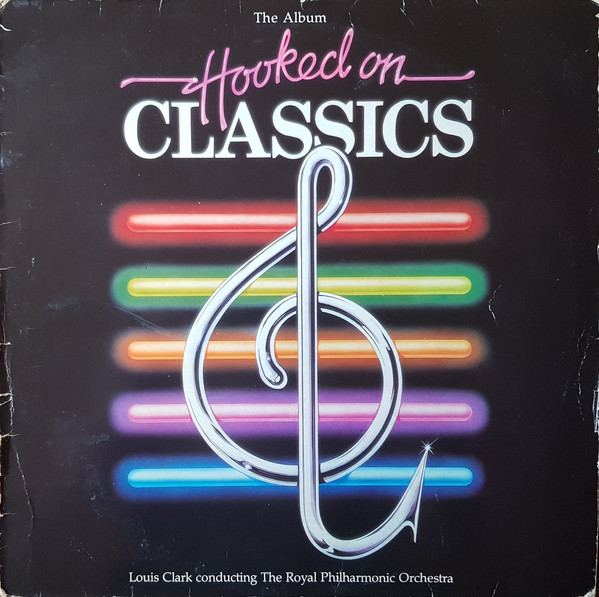
Hooked On Classics
1981
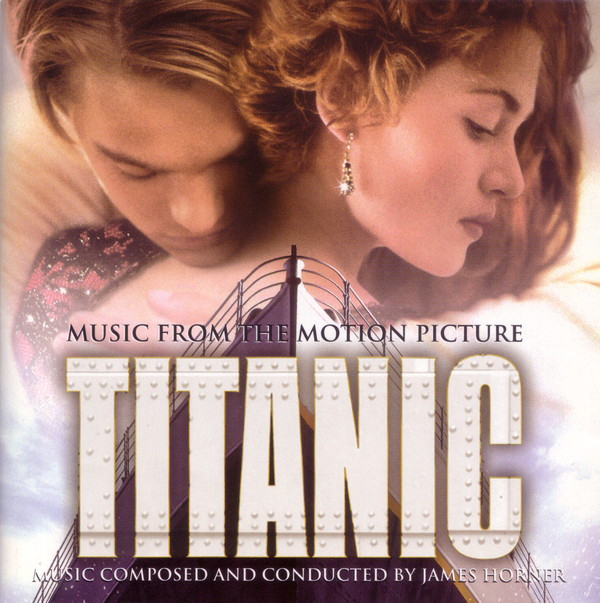
Titanic (Music From The Motion Picture)
1997

The Singles
2017
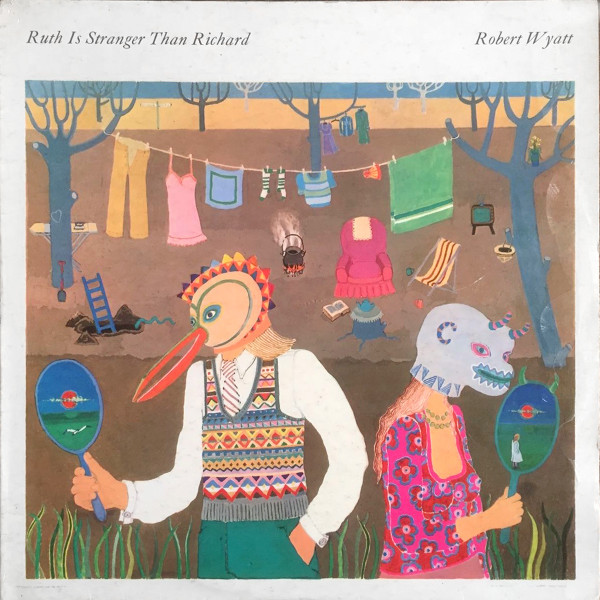
Ruth Is Stranger Than Richard
1975

The Enchanted Tiki Room
1968

Can
1978

50 Great Music Treasures
1962
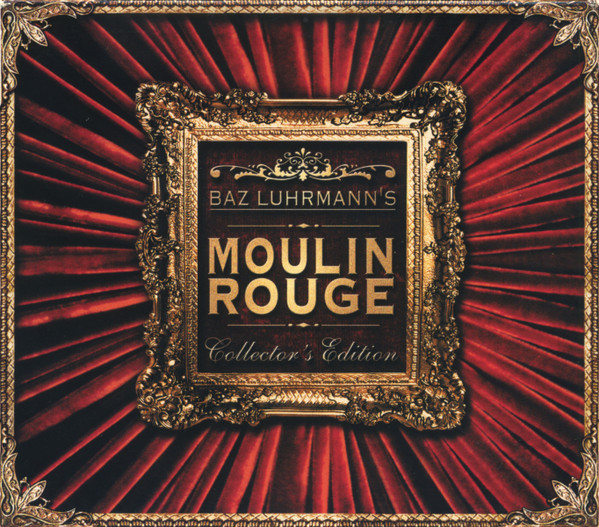
Baz Luhrmann's Moulin Rouge: Collector's Edition
2002

Träum Was Schönes
1979
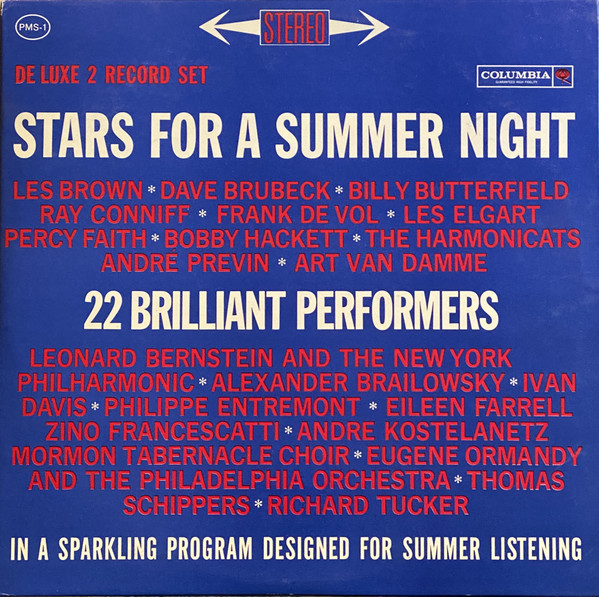
Stars For A Summer Night
1961

Plays The Immortal Classics
1953

25 All Time Family Favorites

Essential Opera Arias
2011

Eighties
2005
Duel
2004

Heimspiel
1999
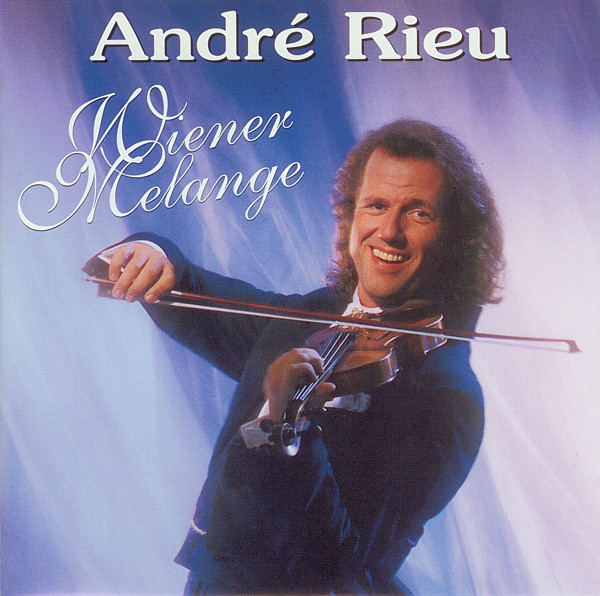
Wiener Melange
1995

Gaîté Parisienne / Les Sylphides / Coppélia
1988

The Tales Of Hoffmann
1985

Gaîté Parisienne
1983

Rock Bottom / Ruth Is Stranger Than Richard
1981

Träumereien (Richard Clayderman Mit Seinen Schönsten Klaviermelodien)
1979

Dainuoja Nijolė Ščiukaitė
1978

Classics 100
1973
Frequent collaborators
- Various
- Offenbach
- Unknown Artist
- Richard Clayderman
- Arthur Fiedler
- James Last
- Herbert von Karajan
- André Rieu
Around the web
See who really made the music.
Gatefold maps every producer, engineer, and player across your shelf — the credits no one else surfaces.
Start your shelf →Free forever. Works with 10 records or 10,000.