Performance · Production
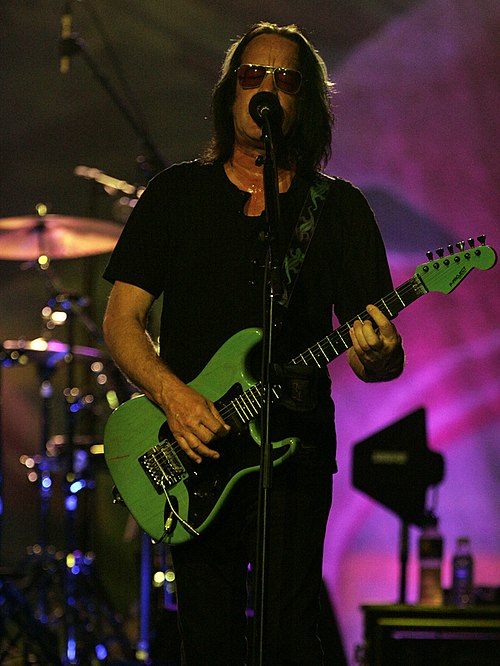
Todd Rundgren
real name Todd Harry Rundgren
Upper Darby Township, United States · b. 1948-06-22
Todd Rundgren is credited on 4,474 releases across 856 albums tracked on Gatefold, active 1968–2026 — the collector-built map of who actually made the music.
4,474
Credits
856
Albums
7
Decades active
1,101
In collections
Biography
Showing the Discogs bio
American musician (vocals, guitar, bass, keyboards, drums, saxophone, theremin), singer-songwriter and record producer.
Born June 22, 1948 in Upper Darby, a suburb of Philadelphia, Pennsylvania, USA.
Todd Rundgren began his career in blues band Woody's Truck Stop but left to form Nazz in 1967 who charted with "Open My Eyes" and "Hello It's Me." He left Nazz in 1969 to pursue a solo career and released Runt (1970), Runt: The Ballad of Todd Rundgren (1971) and double LP Something/Anything? (1972) on which he singly wrote, performed and produced 3 of the 4 sides of the album, the 4th side being a single live take with a studio band.
Rundgren also took on production projects for other groups at Bearsville Studios whilst his musical boundaries stretched from Pop to Heavy Metal to Soul as demonstrated by 'A Wizard, A True Star' (1973), followed by another double album 1974's Todd and 1975's Initiation. At this time he also started to release progressive and experimental live and studio material with his backing band Utopia.
Rundgren continued to produce solo material, notably Faithful (1976) featuring one side of originals and one side of covers from 1966, Hermit of Mink Hollow (1978), Healing (1981), The Ever Popular Tortured Artist Effect (1983) and the aptly named A Cappella (1985). Utopia disbanded in 1986 having released a string of live and studio albums under the Todd Rundgren/Utopia banner all of which featured Rundgren's seemingly inexhaustible songwriting, vocal and performance contributions.
After a break he released the live studio album Nearly Human (1989) followed by 2nd Wind (1991) performed before a live audience who were instructed to remain silent. In 1993 Rundgren reinvented himself again on the Internet as TR-i ("Todd Rundgren interactive") and released No World Order (1993) followed by The Individualist (1995). His Patronet work, which trickled out to subscribers over more than a year, was released in 2000 as One Long Year.
Rundgren returned to recording under his own name for With a Twist, an album of bossa-nova covers of his older material. Also released were Reconstructed which features techno remixes of Rundgren and Utopia tracks by other artists and Todd Rundgren and His Friends which contains various artists remakes and remixes Rundgren songs.
In 2004, Rundgren released Liars and in 2005, following considerable rumour and speculation it was announced that he was joining the line-up of 80's rock band The Cars, now renamed as The New Cars. A live album The New Cars: It's Alive, was released in 2006.
Rundgren and long term partner Bebe Buell raised actress Liv Tyler as his daughter until age 11 due to the drug excesses of her biological father, Steven Tyler of Aerosmith.
Bio from Discogs
Credited work
4,474 releases · 856 albums · active 1968–2026
- Performance · 6,772
- Production · 3,211
- Engineering · 1,633
- Other credits · 623
- Mastering · 8
Studios: Utopia Sound · Secret Sound · Bearsville Studios · Record Plant, N.Y.C.
Discography
Records they worked on — most-collected first.
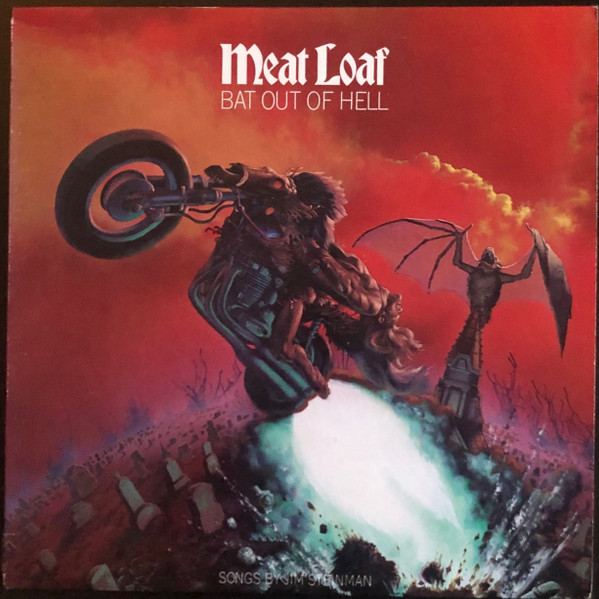
Bat Out Of Hell
1977
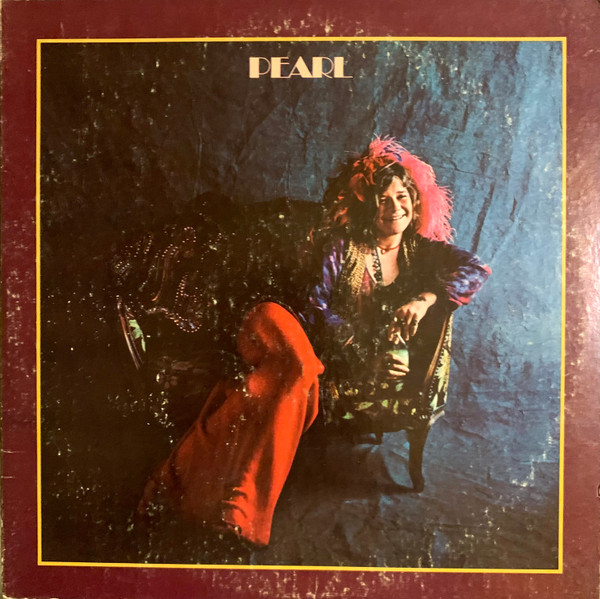
Pearl
1971

Lonerism
2012
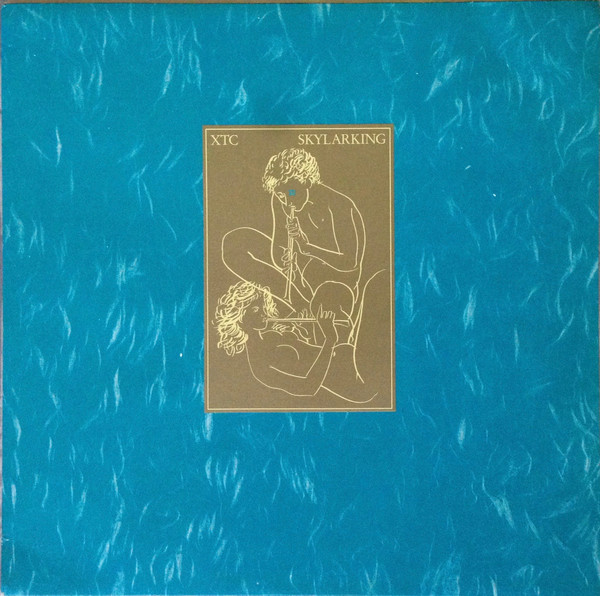
Skylarking
1986
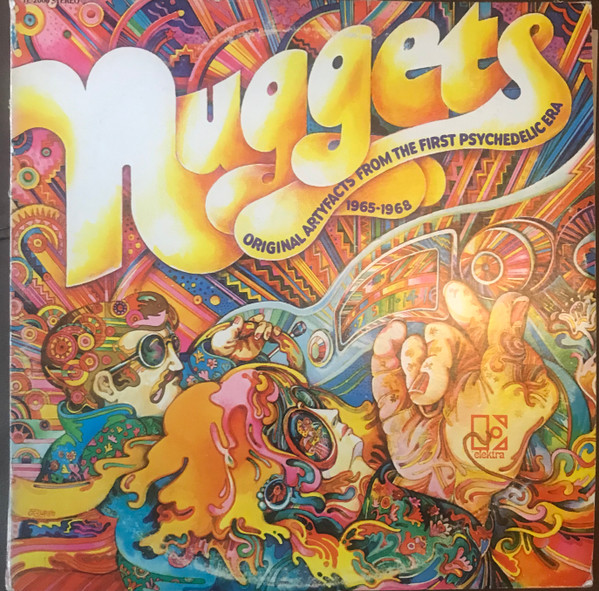
Nuggets (Original Artyfacts From The First Psychedelic Era 1965-1968)
1972
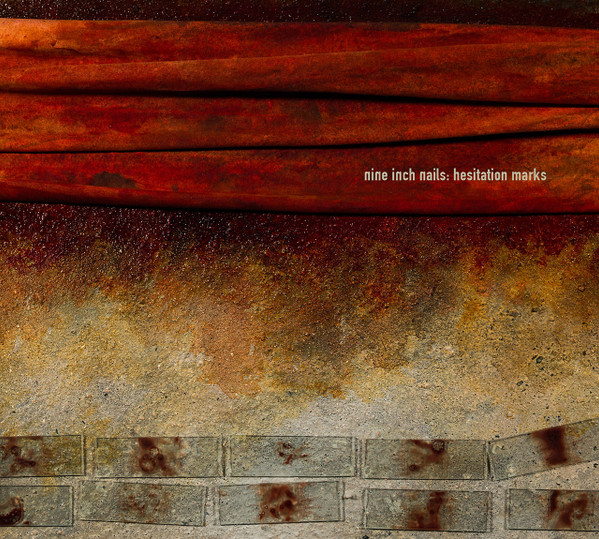
Hesitation Marks
2013
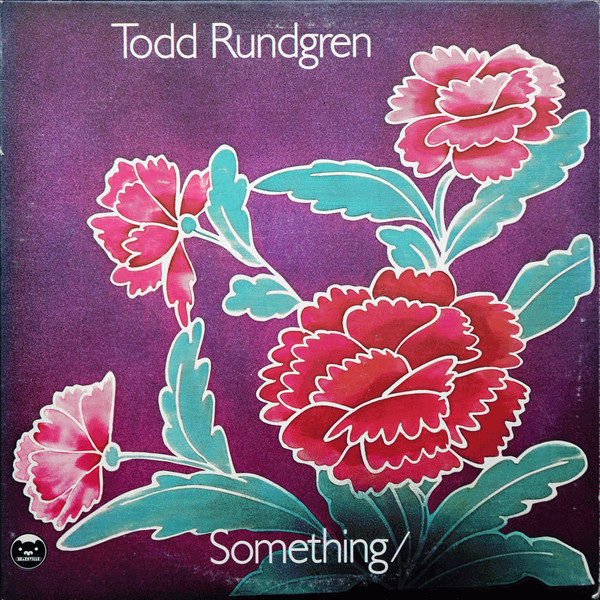
Something / Anything?
1972
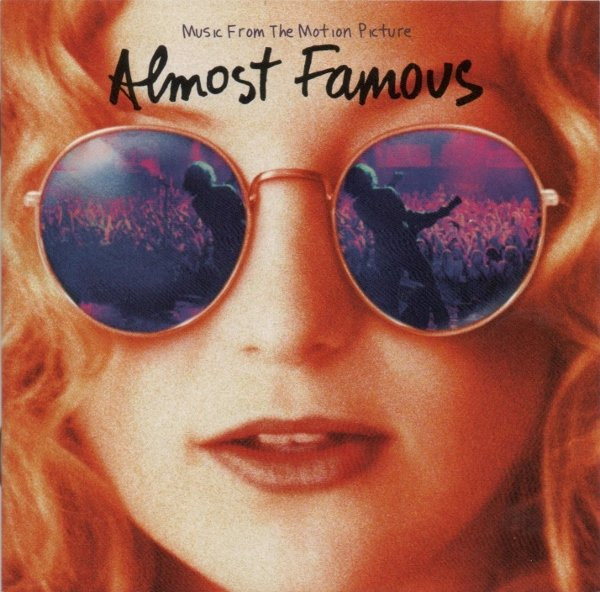
Almost Famous (Music From The Motion Picture)
2000
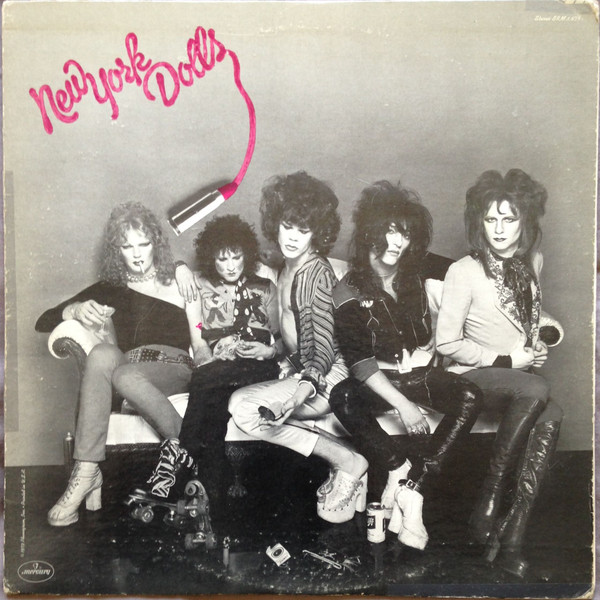
New York Dolls
1973
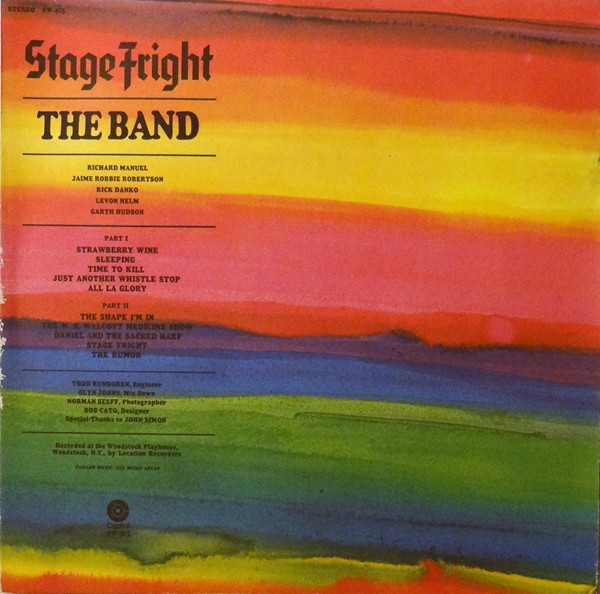
Stage Fright
1970
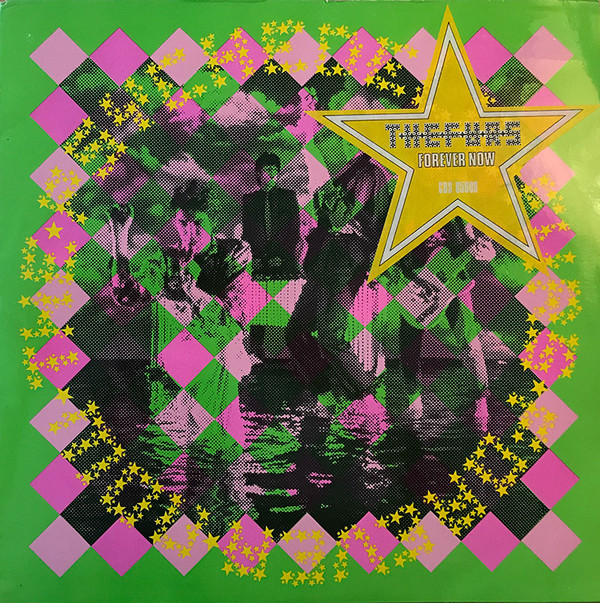
Forever Now
1982
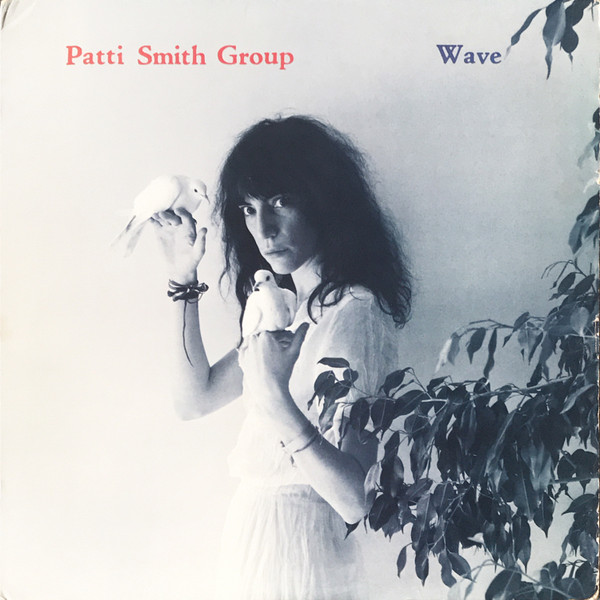
Wave
1979

We're An American Band
1973

Hermit Of Mink Hollow
1978
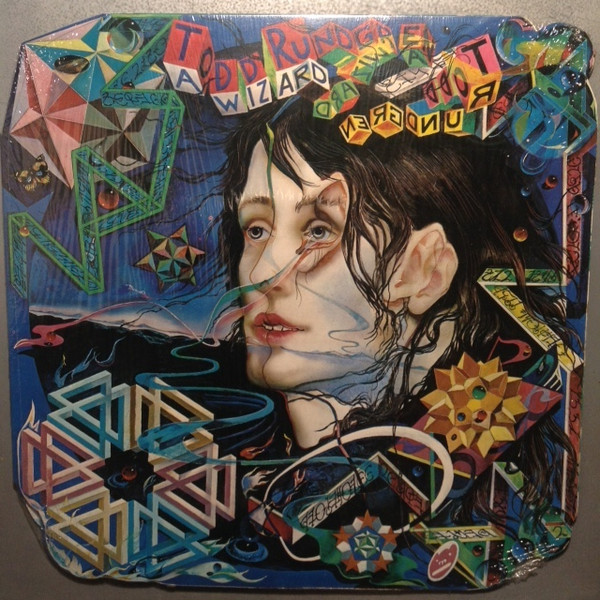
A Wizard, A True Star
1973
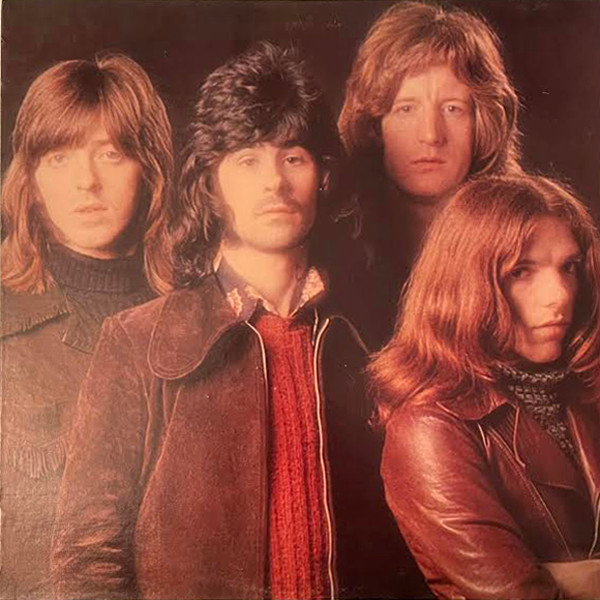
Straight Up
1971
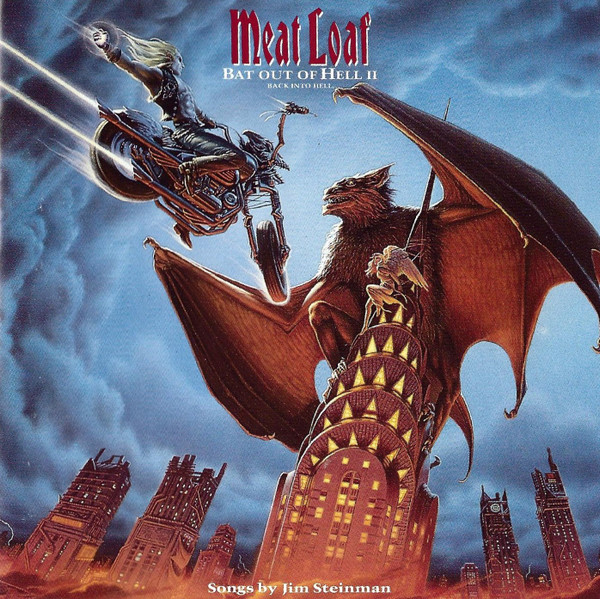
Bat Out Of Hell II: Back Into Hell
1993
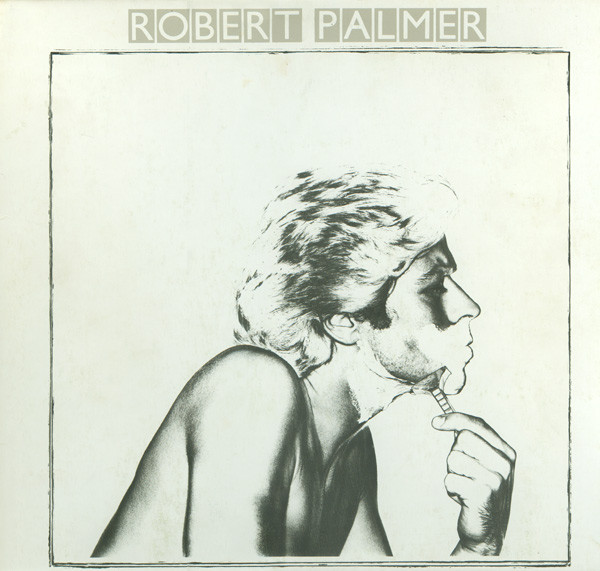
Secrets
1979
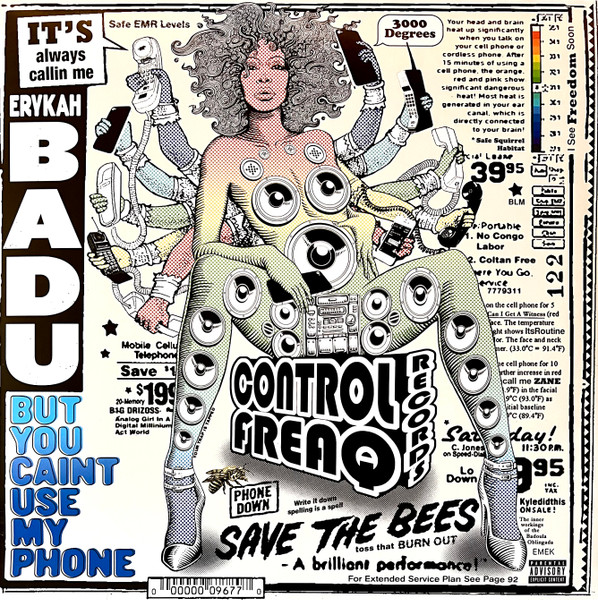
But You Caint Use My Phone
2015

Foghat
1972
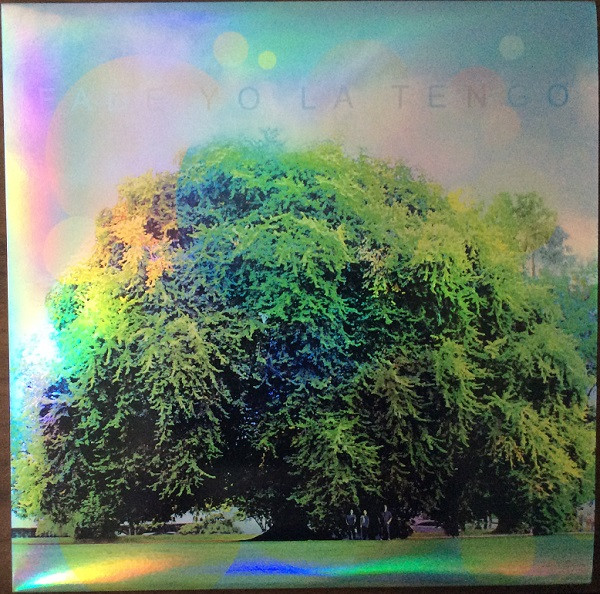
Fade
2013
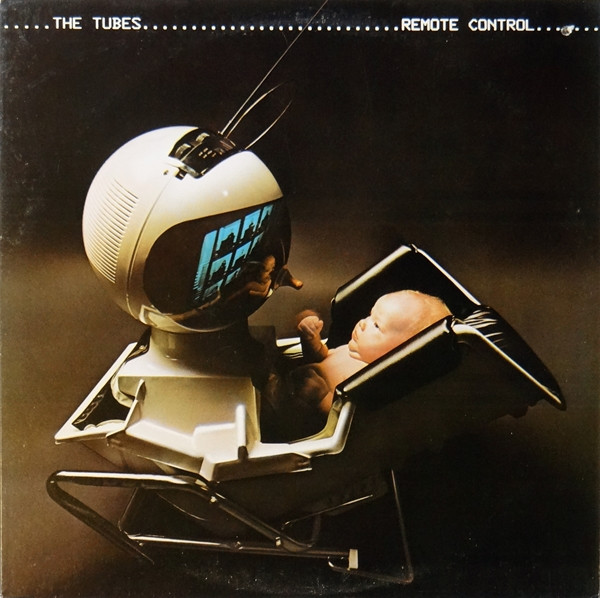
Remote Control
1979

Made In The Dark
2008
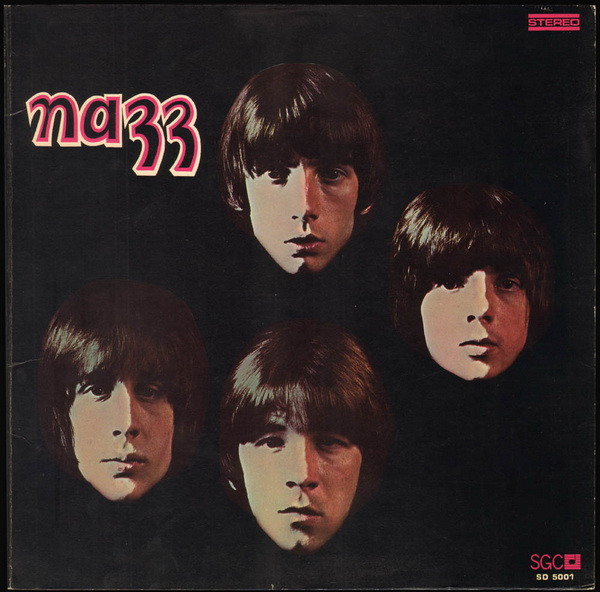
Nazz
1968
Frequent collaborators
Around the web
See who really made the music.
Gatefold maps every producer, engineer, and player across your shelf — the credits no one else surfaces.
Start your shelf →Free forever. Works with 10 records or 10,000.